

Key Takeaways
- ECOWAS has officially confirmed deployment of 2,000 soldiers by December 2026 to combat surging cross-border militant threats, per finalized agreements released today.
- New intelligence reveals al-Qaeda/ISIL-linked groups have escalated urban attacks, including January's Niamey airport assault and ongoing Bamako fuel blockade.
- Critical obstacles emerged in the last 24 hours: funding shortfalls and a deepening rift with the Alliance of Sahel States threatens operational cohesion.
- Coastal nations Togo and Benin now experience active insurgency for the first time, marking dangerous territorial expansion.
- Nigeria and Ghana will lead troop contributions amid unprecedented regional security coordination demands.
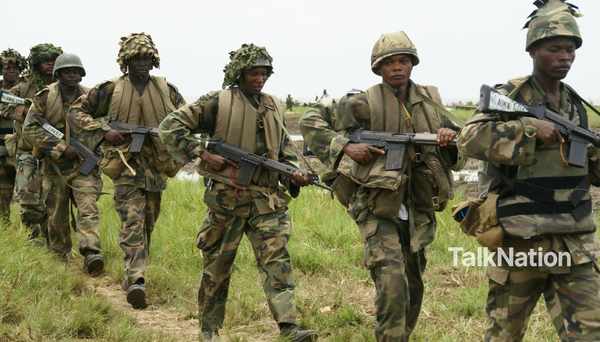
March 2, 2026 – In a watershed moment for regional security, West African military officials have publicly activated the ECOWAS Standby Force for immediate operational deployment after years in planning limbo. This morning's official confirmation details the mobilization of 2,000 combat-ready troops by year-end to confront accelerating violence from Mali to Nigeria—a direct response to intelligence showing militant groups now operating in six consecutive countries. The announcement follows yesterday's emergency session where military commanders finalized command structures, marking the first concrete action since the Sierra Leone summit last week.
Deep Dive Analysis
Today's developments reveal unprecedented urgency. ECOWAS military planners disclosed that al-Qaeda and ISIS-affiliated networks conducted 47 complex attacks in February alone—nearly double January's total—with sophisticated weaponry and urban tactics previously unseen in coastal states. The Niamey airport assault on January 28th, which disabled Niger's primary air hub for three days, demonstrated alarming capability advancements. Meanwhile, Ansarul Islam's six-month blockade of Bamako's fuel corridors has crippled hospitals and public transport, creating a humanitarian crisis that forced emergency ECOWAS coordination.
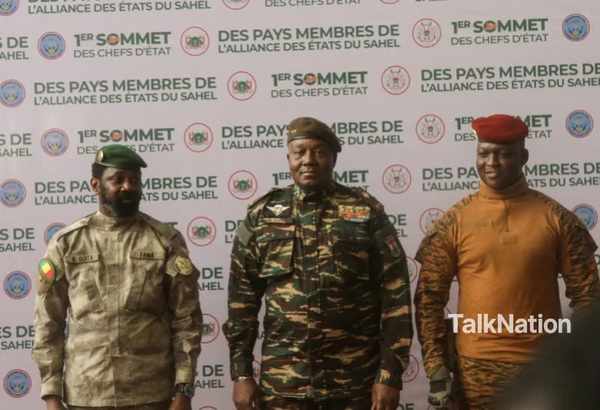
Behind the deployment decision lies a critical 24-hour shift in strategic outlook. Military briefings released this morning show Togo and Benin now report daily militant incursions, shattering the myth of coastal security. This expansion explains Nigeria's sudden push for rapid deployment despite historical reluctance, with Abuja committing 650 troops—the largest contribution. However, persistent challenges surfaced today: Mali, Niger and Burkina Faso's withdrawal from ECOWAS has created a dangerous operational vacuum, with AES leaders publicly rejecting coordination just hours before the force activation. Without unified intelligence sharing across the Sahel, analysts warn the deployment risks creating two parallel, ineffective counterterrorism fronts.
What People Are Saying
Social media erupted within hours of the announcement, with #ECOWASFightback trending across West Africa. Ghanaian military veteran Kofi Mensah (@KofiSecurity) gained 28K retweets questioning: "How can we fight Sahel militants when AES borders are now hostile zones? This needs new diplomacy NOW." Nigerian activists highlighted funding concerns through viral infographics showing ECOWAS collected only 37% of its 2025 defense budget. However, coastal residents in Lomé and Cotonou expressed cautious optimism—Togolese nurse Aisha Diallo's tweet capturing widespread sentiment: "After last week's Benin highway attack, I finally feel we're not forgotten. But will soldiers reach villages before extremists do?" Military analysts on TikTok dissected drone footage suggesting militants now use encrypted commercial apps for coordination, underscoring the technological gap ECOWAS must overcome.
Why This Matters
This deployment represents West Africa's most critical security gambit in two decades—not merely as military maneuver but as a survival test for regional integration. The 24-hour window between AES rejection and ECOWAS's activation reveals a dangerous escalation cycle where counterterrorism now fuels geopolitical fractures. Should the Standby Force succeed in disrupting major supply routes like the Bamako blockade, it could reverse displacement trends affecting 2.7 million civilians. Conversely, failure risks triggering chain reactions: coastal nations may impose closed borders, further fragmenting economies already reeling from militant taxation of trade corridors. Crucially, today's confirmation shifts the burden from planning to execution—where every delayed shipment or intelligence leak could determine whether cities like Accra and Abidjan face their first major attacks.
FAQ
Q: Why deploy troops now after years of ECOWAS inaction?A: Escalating urban attacks and fuel blockades have created humanitarian emergencies, with February seeing record civilian casualties. Today's decision follows classified UN reports showing militants now control 19% of regional trade routes. Q: Which countries are contributing most troops?
A: Nigeria (650 soldiers), Ghana (500), and Senegal (300) form the core, with coastal nations Benin and Togo adding 150 each despite being recent attack victims. Q: How does the AES rift impact operations?
A: Mali, Niger and Burkina Faso now forbid ECOWAS troop movement through their territory. This forces longer, vulnerable supply routes—adding weeks to deployments targeting the very groups operating within AES nations. Q: When will troops actually deploy?
A: Initial reconnaissance units begin movement within 60 days, with full force operational by December 2026. Today's announcement activated immediate logistical preparations.





0 Comments