
Key Takeaways
- Afghanistan's Taliban government claims successful interception of Pakistani airstrikes targeting Bagram Air Base early Sunday (March 1), with officials reporting zero damage or casualties at the strategic former U.S. facility
- Cross-border hostilities entered their fourth consecutive day Monday, marked by Pakistan's continued occupation of a 32-square-kilometer zone in Afghanistan's Zhob sector and Kabul's retaliatory strikes on Pakistani military sites
- Pakistan maintains absolute rejection of negotiations, with PM spokesperson Mosharraf Zaidi declaring "no talks, no dialogue, no negotiation" despite Taliban overtures for de-escalation
- Afghan authorities report 55 civilian deaths from Pakistani operations since Thursday—including women and children in Nangarhar and Paktia—with viral social media footage showing families fleeing border regions
- International counterterrorism concerns intensify as the conflict unfolds in regions where Al-Qaeda and ISIS-K maintain active recruitment networks
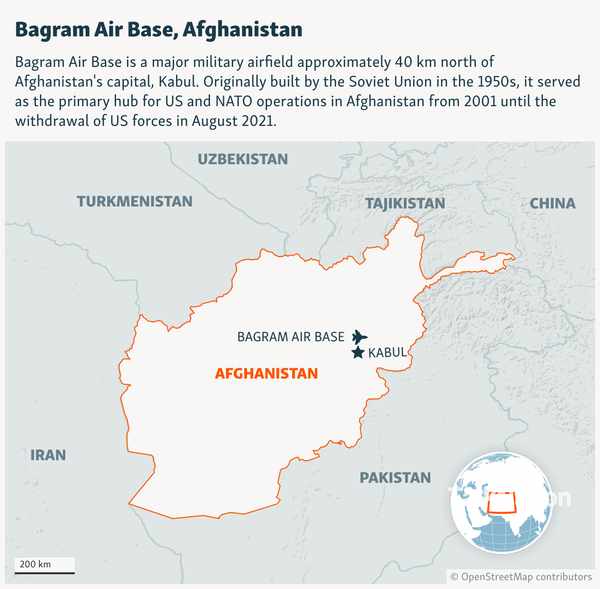
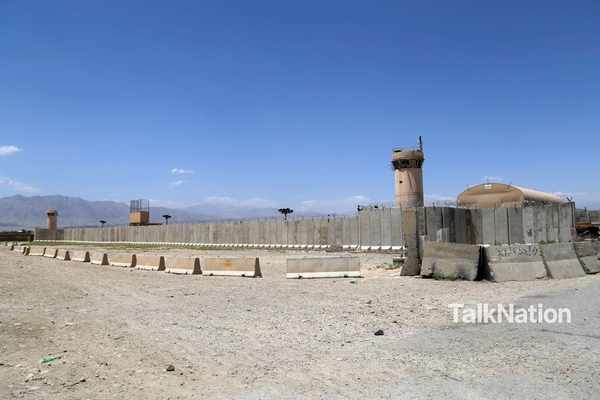
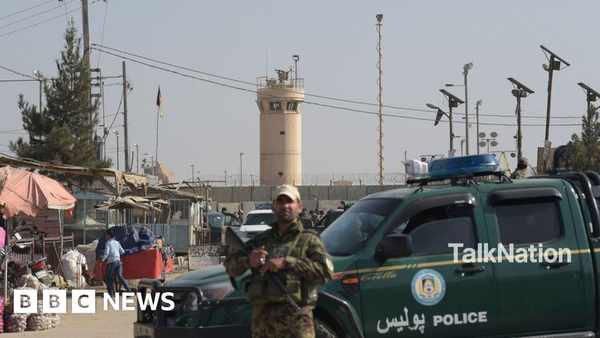
March 2, 2026 – Kabul residents awoke to the thunder of anti-aircraft fire early Sunday as Afghanistan’s Taliban government reported repelling Pakistan’s most audacious military action in decades: an attempted airstrike on Bagram Air Base, the former epicenter of U.S. operations in the region. This latest escalation, confirmed by multiple government sources as of this morning, confirms the conflict has now entered its most dangerous phase since the Taliban’s 2021 takeover, with both nations openly exchanging fire while civilians bear the brunt of the violence.
Deep Dive Analysis
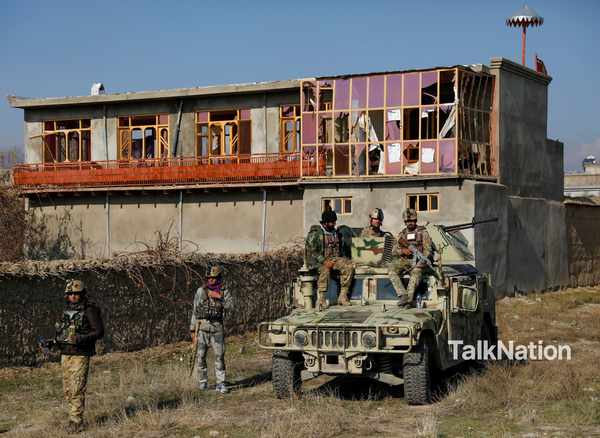
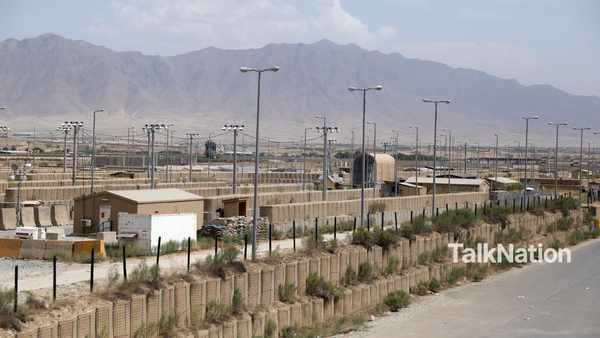
Afghanistan’s Defense Ministry released time-stamped evidence Sunday showing radar signatures of unidentified aircraft entering Afghan airspace near Bagram at 3:17 AM local time. Taliban air defense units immediately deployed S-200 missile systems and anti-aircraft artillery, with Deputy Spokesman Hamdullah Fitrat announcing the “complete neutralization” of the threat. While drone footage circulated on Telegram showed plumes of smoke near the base’s northern perimeter, provincial officials confirmed critical infrastructure—including the massive concrete aircraft hangars and runway extensions built by U.S. forces—escaped unharmed. Bagram’s symbolism makes it a prime target: just last year, former U.S. President Donald Trump publicly mused about reoccupying the base, heightening its geopolitical value.
Pakistan’s sustained ground incursion into Zhob represents a critical tactical shift. Unlike previous border skirmishes, Islamabad now openly acknowledges holding 12 square miles of Afghan territory – a move violating the 1960 Durand Line agreements. Pakistani security officials told Reuters their forces established fortified positions after Afghan mortar teams targeted border posts in Khyber Pakhtunkhwa. The occupation directly challenges Taliban sovereignty claims while giving Pakistan leverage over key smuggling routes. Meanwhile, Kabul’s late-Sunday retaliation—reportedly striking facilities near Rawalpindi—is being treated with skepticism internationally; no structural damage or Pakistani casualties have been verified, raising questions about whether this was psychological warfare rather than actual combat.
The humanitarian toll continues mounting with each dawn. In Kunar province, the story of Sajid—whose brother was killed while refusing to abandon their home near a mosque—spread across digital platforms overnight. What distinguishes this conflict from past clashes is the unprecedented urban targeting: Saturday’s strikes hit residential areas in Kandahar (home to Taliban leadership) and Kabul’s densely populated Dasht-e-Barchi district, where a mother and child died in a drone strike. These actions violate Pakistan’s own stated policy of avoiding civilian sites, alarming UN officials who warn of potential war crimes investigations.
What People Are Saying
Official channels reveal irreconcilable positions: Pakistan’s foreign ministry circulated satellite images purportedly showing TTP militant camps near Khost, while Afghanistan’s X account featured real-time geolocated videos of Afghan troops dismantling unexploded ordnance in Bagram. But social media tells a more visceral story. On TikTok, #KunarCrisis has 2.1M views featuring shaky cellphone footage of families dragging mattresses through dust-choked streets—a clip of a young girl clutching a torn schoolbag became the top-recommended video globally by midnight UTC. X (Twitter) erupted with dueling narratives: #PakistanDefendsNation trended after a viral thread from Islamabad-based journalist Asad Khan showed damage to Bajaur district hospitals, while #TalibanLies gained traction when a supposed Pakistani military source leaked coordinates matching Bagram’s air defense radar sweeps. Most poignant were encrypted Telegram channels from Torkham border residents sharing audio diaries of nighttime explosions interspersed with Quranic verses—a stark contrast to the polished propaganda from both governments.
Why This Matters
Three factors elevate this beyond a bilateral dispute: First, Bagram’s vulnerability exposes how rapidly former U.S. strategic assets are being weaponized—its 3-kilometer runway could potentially host Chinese or Russian aircraft if Afghanistan seeks new allies. Second, the collapse of Qatar and Turkey’s mediation efforts suggests no regional power can contain this conflict, creating vacuum for Al-Qaeda elements reportedly relocating from Iran. Most urgently, the mutual escalation playbook—Pakistan demanding Taliban dismantle TTP sanctuaries, Afghanistan refusing to negotiate under fire—has hit a dead end where miscalculation could trigger full-scale war. With Pakistan deploying JF-17 Thunder jets near the border and Afghanistan test-firing Chinese-made ballistic missiles Sunday night, the world watches a terrifying precedent: nuclear-armed states now openly engaging conventional forces across contested borders. This isn’t just about border demarcation; it’s the first major armed conflict of the post-American era in Afghanistan, with civilians paying the ultimate price.
FAQ
Q: Has Pakistan officially confirmed the Bagram airstrike attempt?A: As of today’s deadline, Pakistan’s military has maintained complete silence on Bagram specifics—breaking with their usual real-time claims of operations. This unusual non-confirmation amid Taliban evidence has defense analysts speculating about internal command disagreements. Q: Why is the international community reacting so cautiously?
A: Major powers face conflicting priorities: The U.S. fears reviving Al-Qaeda without direct involvement, China seeks to position itself as mediator while protecting Belt and Road projects, and Russia opposes any Western reentry. The absence of UN Security Council emergency meetings suggests deliberate restraint to avoid legitimizing either side. Q: How are refugees affected by the border closure?
A: Over 200,000 Afghans stranded at Torkham crossing since Thursday now face humanitarian crisis conditions. Aid agencies report children dying from hypothermia in makeshift camps after Pakistani authorities blocked entry for “security screening”—a move condemned by Human Rights Watch as collective punishment.



0 Comments