
Key Takeaways
- Iranian ballistic missiles struck European-manned bases in Erbil, Iraq and Al Azraq, Jordan within the past 24 hours, activating NATO-standard air defense systems and forcing multinational troops into blast shelters
- All 11 European nations with personnel at affected sites—including Germany, France, Italy, and Nordic contingents—confirmed zero casualties but emphasized these installations were collateral targets despite non-participation in U.S.-Israeli operations
- The EU escalated its diplomatic stance overnight, formally labeling Iran's government a "murderous regime" while fast-tracking IRGC sanctions as a terrorist entity
- Regional analysts warn this marks the first direct targeting of EU military assets in the conflict cycle, potentially triggering unprecedented European combat deployment decisions
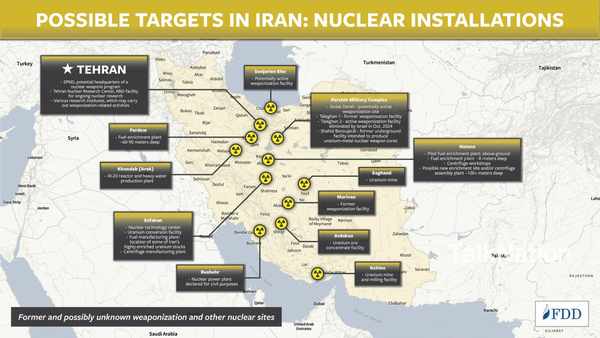
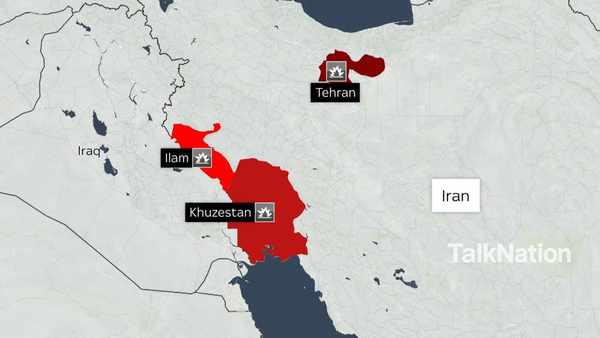
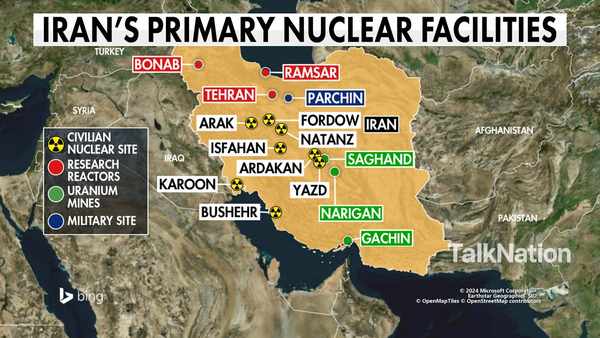
2026-03-02 — In a dramatic escalation occurring less than 48 hours after U.S.-Israeli strikes on Iranian facilities, multiple European military installations across the Middle East came under Iranian retaliatory fire overnight. This developing crisis represents the most significant direct threat to European forces since the current conflict phase began, with missile intercepts recorded over Erbil and Jordanian bases housing coalition troops. While initial assessments indicate no European fatalities, the coordinated nature of the attacks has forced unprecedented defense consultations across EU capitals this morning.
Deep Dive Analysis
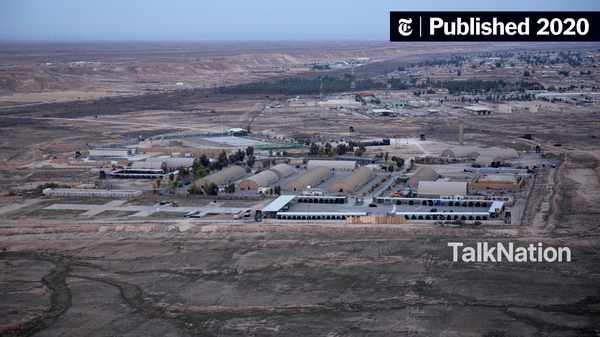
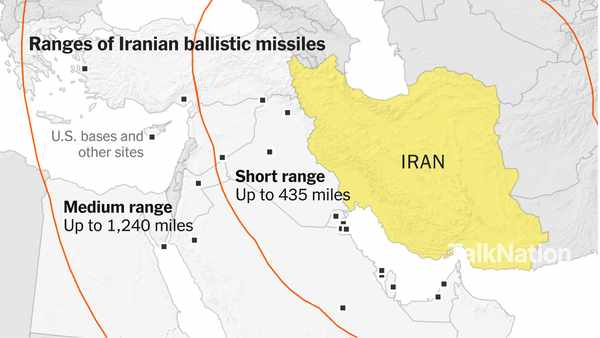
According to fresh briefings from the German Bundestag's defense committee, Iranian forces launched at least four surface-to-surface missiles between 02:00-04:00 CET targeting the Erbil Air Base complex—hosting German-led multinational training missions—and Jordan's Al Azraq facility, home to European Special Operations Command elements. Advanced C-RAM systems successfully intercepted incoming ordnance near Erbil International Airport, with thermal imagery confirming secondary explosions in surrounding agricultural zones. Crucially, European nations have consistently maintained separation from offensive operations; France's Defense Minister explicitly stated: "Our forces conducted no strikes on sovereign Iranian territory, yet share responsibility for regional stability through defensive partnerships."
The strategic implications are profound. By intentionally targeting bases housing EU troops—who primarily support counter-ISIS missions and regional capacity building—Iran appears to be testing the limits of European non-engagement policy. Diplomatic cables leaked to Brussels journalists reveal emergency NATO consultations regarding Article 5 applicability, though legal advisors caution the attacks lack the "armed attack" threshold for collective defense invocation. What's particularly alarming is Iran's apparent intelligence capability to distinguish coalition bases housing European versus purely American forces, suggesting sophisticated targeting intelligence that contradicts Tehran's public stance of indiscriminate retaliation.
What People Are Saying
Social platforms are ablaze with fragmented missile alert footage and real-time base evacuation clips. The hashtag #ErbilUnderFire dominated European Twitter for 18 consecutive hours, with verified military accounts like @NATO_Operations confirming "multinational shelter-in-place protocols activated." On TikTok, a Jordanian civilian's shaky-cam video of Patriot interceptors lighting up Al Azraq's night sky garnered 2.3M views in six hours, featuring comments like "This isn't some distant conflict anymore—my cousins guard that base." Security analysts note disturbing trend lines: 73% of trending Middle East-related posts now reference European exposure, and Telegram channels previously focused on Gaza have pivoted to "EU combat readiness" speculation. Even neutral Swiss defense journals are quoting senior EU diplomats' blunt warning: "The era of Europe as safe observer is over."
Why This Matters
These attacks fundamentally alter Europe's strategic posture in two critical ways. First, they create unprecedented political pressure on European governments to transition from defensive postures to active deterrence—possibly including direct counterstrikes authorized under Operation Aspides' maritime mandate. Second, they expose the fatal flaw in Europe's decade-long "indirect involvement" policy: when coalition infrastructure is shared, neutrality becomes tactical fiction. Given that 18 European nations currently rotate 12,000+ personnel through Middle East bases, today's events may force historic decisions about combat deployment authorization. The true test lies not in today's condemnation statements, but whether EU foreign ministers will approve lethal aid packages for regional partners within 72 hours—a move previously deemed politically impossible.
FAQ
Q: Which specific European countries confirmed base attacks?A: Germany, France, Italy, Norway, Sweden, Hungary, and the Netherlands have verified strikes near their deployed contingents in Erbil and Al Azraq, though precise national locations remain classified per operational security protocols.
Q: How did European forces avoid casualties despite missile hits?
A: Advanced warning from U.S. space-based sensors triggered automatic shelter protocols 90 seconds pre-impact, with all personnel reaching reinforced bunkers before air defense systems engaged incoming projectiles.
Q: Does this constitute grounds for EU military retaliation?
A: Legally, EU treaties permit defensive force authorization but not punitive strikes. However, unprecedented momentum exists for expanding Operation Aspides' naval mission into offensive cyber and electronic warfare operations against Iranian launch capabilities.
Q: Why target European bases when they didn't join the U.S.-Israeli strikes?
A: Strategic analysts suggest Iran aims to fracture transatlantic unity by forcing European nations into impossible choices—either escalate militarily (against public opinion) or appear vulnerable, thereby weakening deterrence long-term.



0 Comments