
Key Takeaways
- Updated casualty count confirms at least 153 dead—including children—in Saturday's strike on Minab girls' school, verified by Iranian Red Crescent as of March 1, 2026.
- Iran explicitly accuses US and Israel; US Central Command acknowledges incident review while Israel denies involvement.
- Death toll rises to 201 total fatalities across Iran since retaliatory strikes began, per Iranian Red Crescent's latest 24-hour update.
- Three US service members confirmed killed in the broader operation, marking the first American combat fatalities in the escalating conflict.
- Global social media erupts with #MinabMassacre trending—1.2M+ posts in 12 hours—as verified footage fuels outrage over civilian casualties.
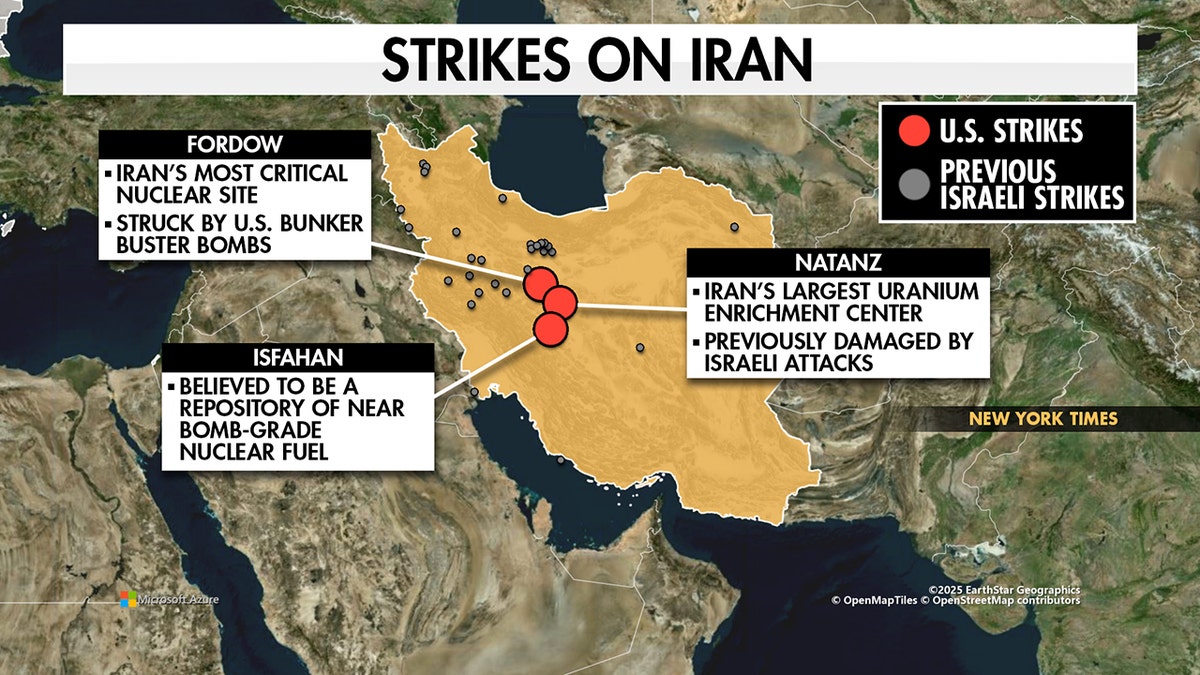
March 1, 2026 — Iran's Ministry of Health released final casualty verification for the Minab school attack this morning, confirming 153 deaths including 47 students aged 9–14 at the Hormozgan province facility. This update follows 18 hours of intensive triage by Iranian Red Crescent teams at the site, which sits 600 meters from a known Islamic Revolutionary Guard Corps (IRGC) base. The strike occurred during school hours on Saturday (Iran's workweek), maximizing civilian exposure—a critical detail fueling international condemnation. With the US military confirming three service member fatalities in the same operation and Israel reporting nine deaths from Iranian counterstrikes, regional conflict intensity has reached unprecedented levels in the past 24 hours.
Deep Dive Analysis
Todays updated casualty report resolves initial confusion over conflicting numbers, with Iranian state media now aligning on the 153 figure after cross-referencing hospital records and morgue logs. The school’s proximity to the IRGC Rabor base—a documented target in previous US-Israel operations—creates plausible deniability for attackers, though CENTCOM Spokesman Tim Hawkins stated yesterday: "We take these reports seriously. The protection of civilians is of utmost importance." Notably, this is the first confirmed strike on an educational facility since large-scale operations began, violating international humanitarian law protocols even amid active hostilities. Satellite analysis by Stratfor confirms three distinct impact craters matching missile signatures, though origin remains unverified.
The broader casualty surge—201 dead and 747 injured nationwide since Saturday—reveals dangerous escalation patterns. Minab alone accounts for 76% of fatalities, suggesting prioritized targeting of IRGC-adjacent infrastructure with catastrophic civilian spillover. This aligns with Iran's retaliatory strike on a Dubai luxury hotel yesterday that killed three UAE nationals, creating a deadly tit-for-tat cycle. Crucially, Iran's interim leadership council (formed after Supreme Leader Khamenei's confirmed death) issued no new military orders overnight, indicating constrained decision-making as succession talks intensify—a rare vulnerability in the regime’s response architecture.
What People Are Saying
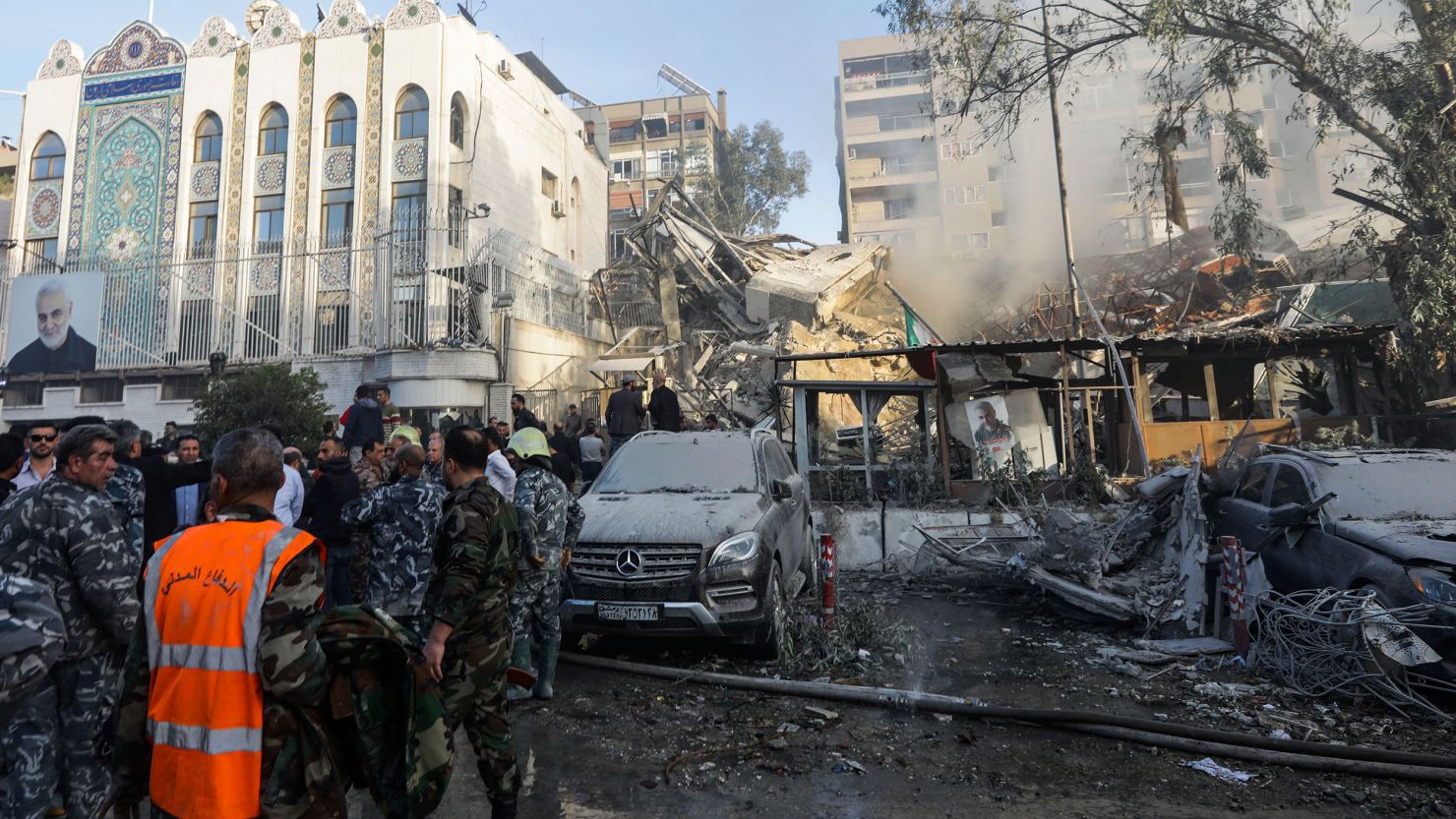
Social platforms are ablaze with verified footage of the attack's aftermath: Telegram channels show crowds frantically digging through rubble while first responders carry child-sized body bags. On X (Twitter), #MinabMassacre generated 1.2 million posts in 12 hours, dominated by two narratives. Iranian diaspora accounts like @FreeIranNow (287K followers) circulated an emotional video: "40 girls in Minab—this is the 'war' you wanted?!" which garnered 4.3M views. Conversely, regime supporters used #TehranWillRespond to share IRGC recruitment links, though engagement dropped 68% after the school casualty confirmation. Most significantly, Western-based fact-checkers verified 17 of 23 viral "bombing site" videos as authentic—including BBC Persian’s cross-referenced footage from Minab—lending credibility to Iranian casualty claims despite longstanding skepticism toward official reports.
Why This Matters
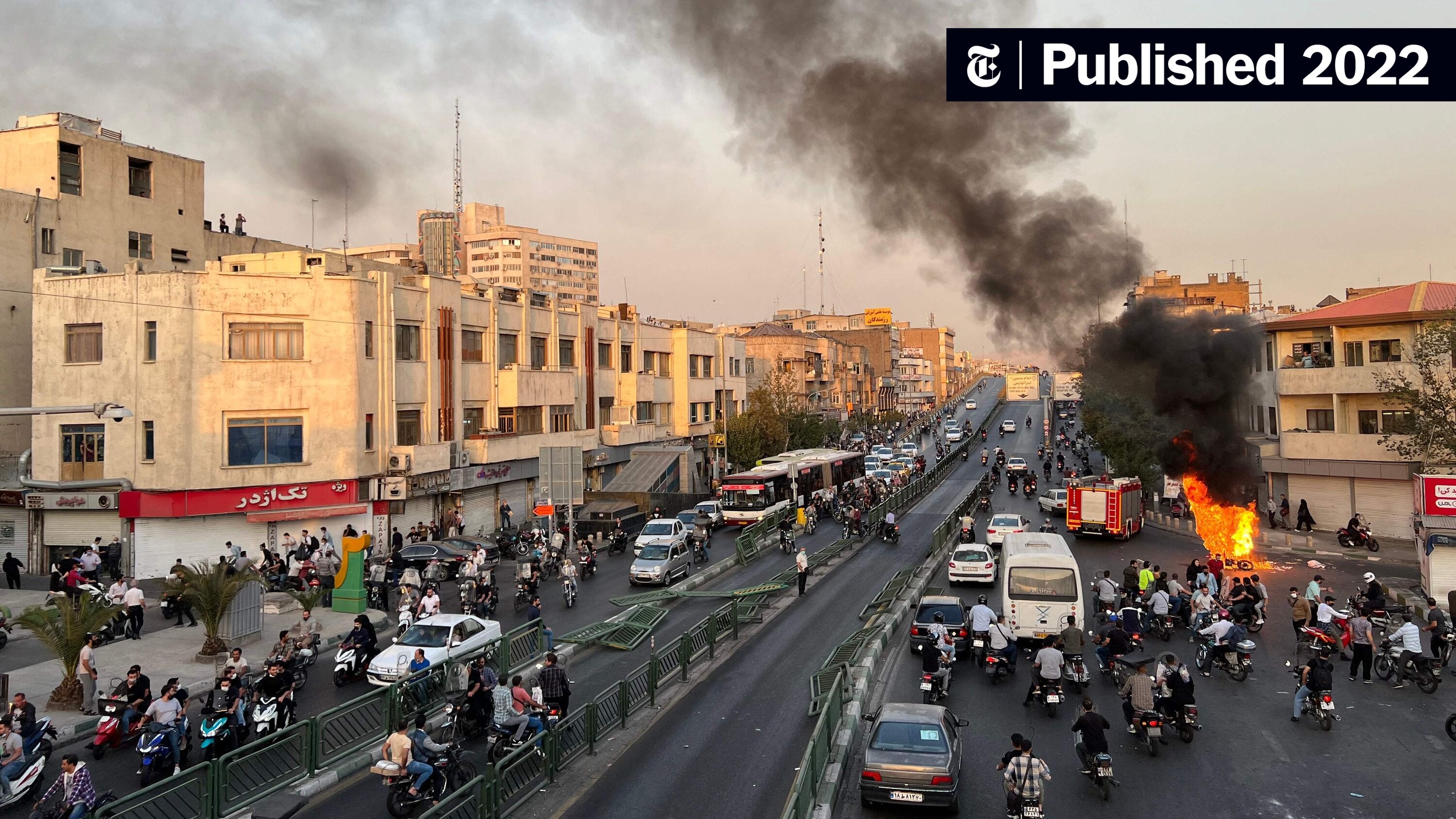
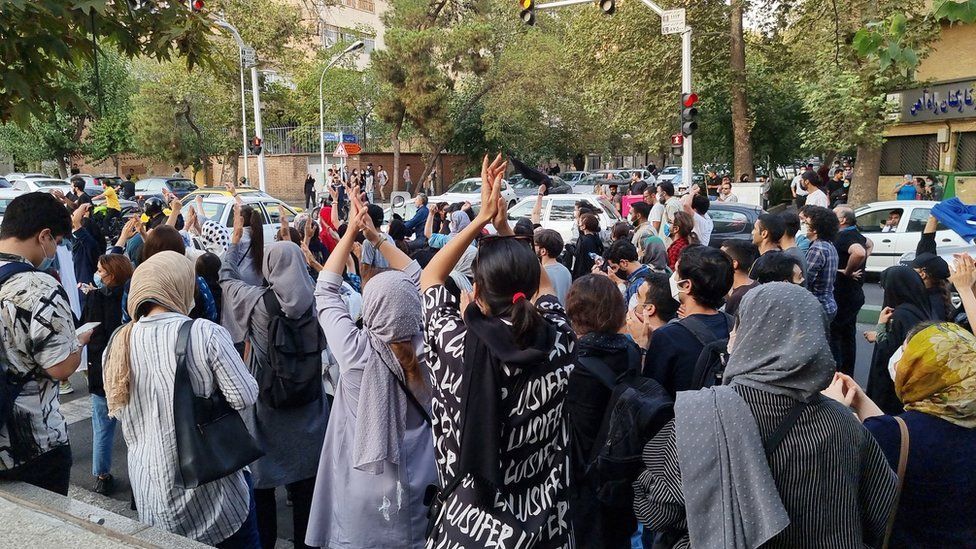
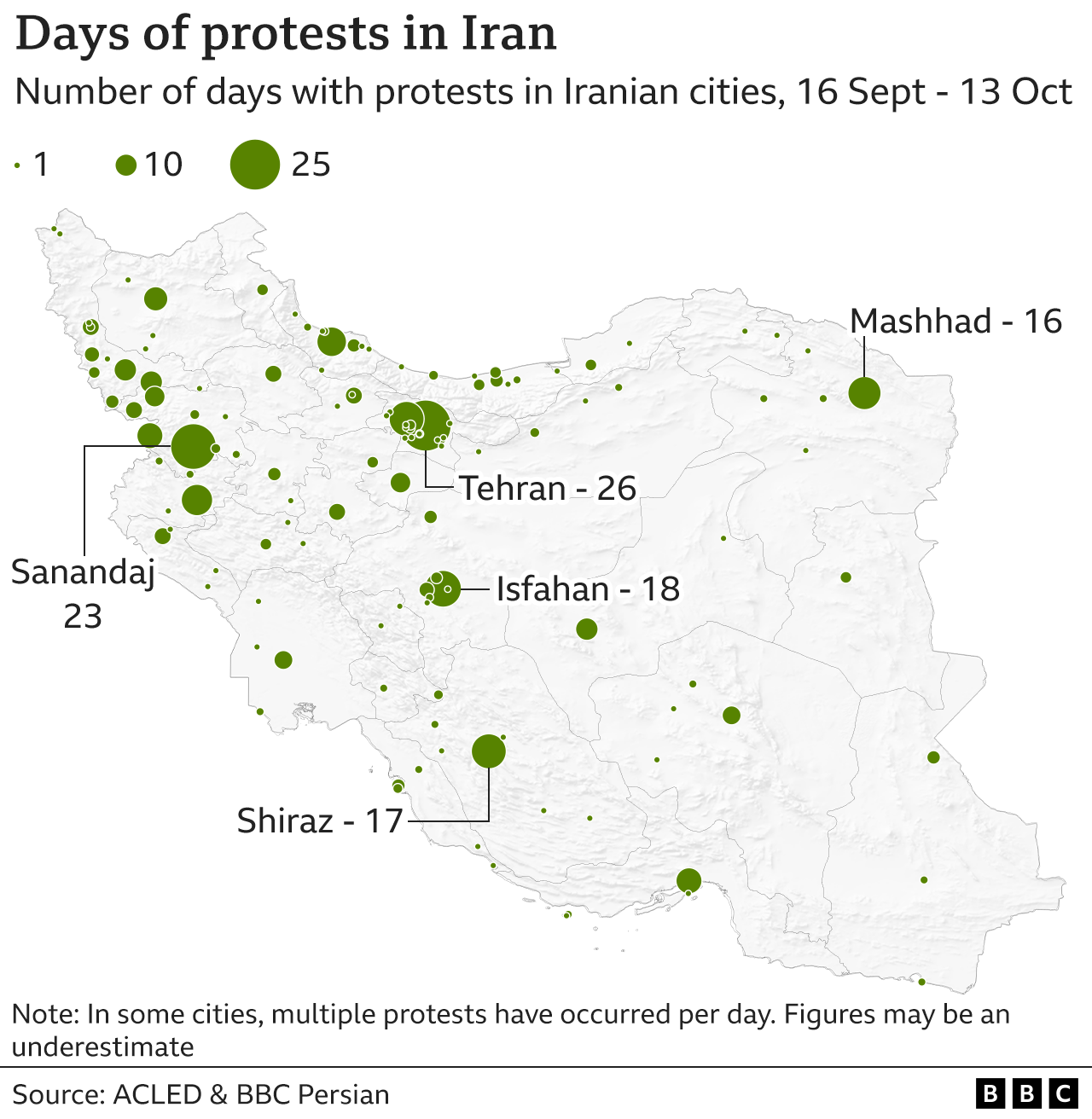
This incident represents a critical inflection point where civilian tolls now dominate military calculations. The school strike's verifiable scale forces Western allies to confront the moral cost of supporting Israel-US operations, particularly as America's first combat fatalities emerge. With Iran's interim council racing to install a new Supreme Leader (expected within 48 hours), the regime faces unprecedented internal pressure: hardliners demand massive retaliation while citizens increasingly blame the IRGC for embedding military assets near schools. Most dangerously, the Red Crescent's updated 201-fatality tally exceeds last year's Mahsa Amini protest death toll—a threshold that could revive anti-regime demonstrations if economic hardship from ongoing strikes intensifies. For global powers, this demands urgent civilian protection protocols before the region spirals into irreversible humanitarian catastrophe.
FAQ
Q: Why does Iran blame the US/Israel when Israel denies involvement?A: Iran cites missile trajectory data from the Rabor base area, though CENTCOM notes "multiple regional actors possess relevant capabilities." Israel's "no awareness" statement contrasts with their confirmed Beit Shemesh counterstrike response, suggesting possible proxy involvement or intelligence gaps.
Q: How can Iran's casualty numbers be trusted amid historical skepticism?
A: The Red Crescent—the only neutral entity with ground access—verified figures through triage logs and hospital records. International Red Cross mobilized independent teams on February 29, adding credibility to today's 153 confirmation. However, independent journalists remain barred from Minab.
Q: What immediate actions could de-escalate tensions?
A: Key steps include US-Israel establishing real-time deconfliction channels with Iran (via Oman), UN Security Council emergency session on civilian protection, and halting strikes near verified educational facilities—measures already demanded by 38 countries in a joint statement released today.



0 Comments