
Key Takeaways
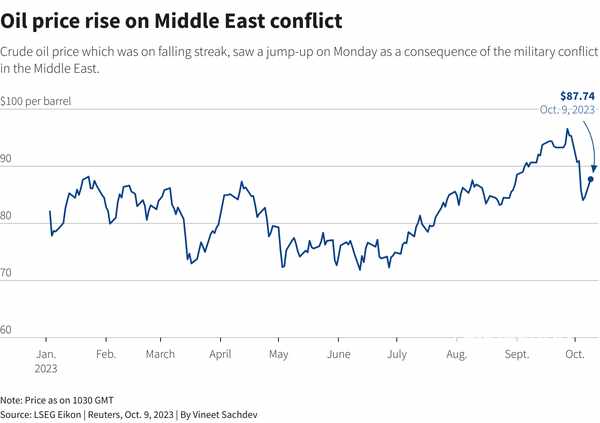
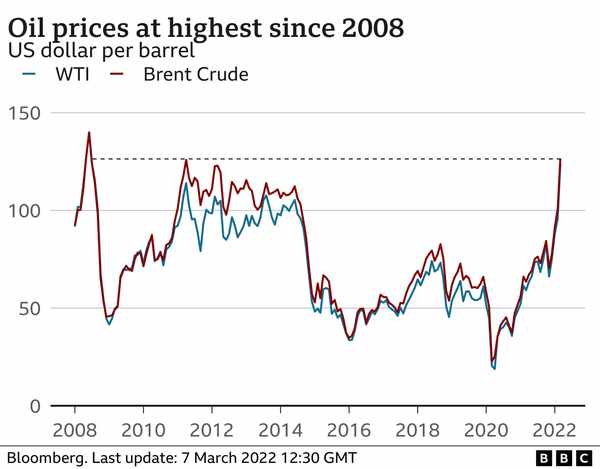
- Brent crude surged 10% to $82/barrel early Monday—its highest since January 2025—after Iranian strikes near the Strait of Hormuz threatened 20% of global oil shipments, though prices later settled near $79 amid OPEC+ supply assurances
- European markets plunged: FTSE 100 down 1%, CAC-40 fell 1.6%, and DAX dropped 1.7% as airlines and tourism stocks collapsed while defense firms like BAE Systems spiked 5.8%
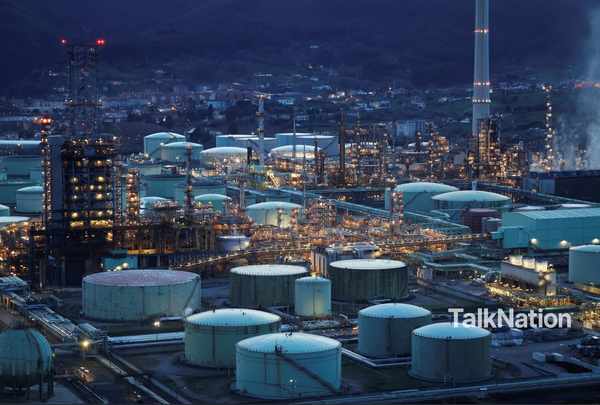
- Natural gas prices exploded 25% and gold hit $5,400/ounce as traders scrambled for safe havens while 15 million barrels of daily oil flow through Hormuz faces disruption
- OPEC+ urgently added 206,000 barrels/day to production Sunday to counter price shocks, but analysts warn prolonged conflict could push oil past $100 and reignite global inflation
- Marine traffic froze near Hormuz as vessels anchored in place amid Iranian warnings, with two ships hit by projectiles and insurers refusing coverage for the strait transit
March 2, 2026—Global markets reeled today as oil prices skyrocketed and equities tumbled following intensified military clashes between the U.S.-Israel alliance and Iran. Fresh overnight intelligence confirms Iranian retaliation struck three vessels near the Strait of Hormuz this weekend, triggering the largest single-day oil surge since the 2025 "12-day war" while European shares recorded their steepest opening drops in six months. With airspace closures crippling Middle Eastern travel routes and gold vaulting toward record highs, today's market chaos reflects traders' immediate reckoning with disrupted supply chains.
Deep Dive Analysis
Markets convulsed within minutes of Sunday evening trading as Brent crude leaped to $82.13—the highest level in 14 months—following verified reports of Iranian missile strikes hitting oil tankers transiting the Strait of Hormuz. Initial panic faded slightly by Monday morning as Brent traded near $79.40 and WTI stabilized at $72.20, but the damage was done: natural gas prices spiked 25% amid fears of cascading energy shortages, while the U.S. dollar strengthened 0.7% as investors sought refuge. Critical context emerged from marine tracking data showing dozens of tankers now anchored helplessly on both ends of the strait, unable to move due to revoked insurance coverage and Iranian threats to block the waterway. Analysts at Rystad Energy warned this "effective halt of 15 million barrels daily" from global markets could persist for weeks if attacks continue.
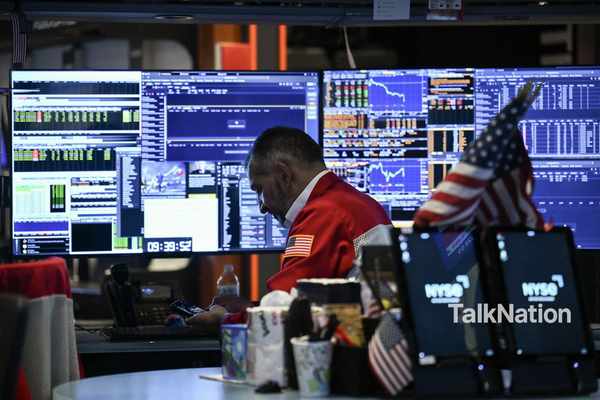
Meanwhile, equity markets bled value as airlines bore the brunt of the crisis. British Airways parent IAG plummeted 9.2% and France's Accor Hotels sank 8.2% due to Middle Eastern airspace shutdowns and surging jet fuel costs. In stark contrast, defense contractors soared—BAE Systems jumped 5.8% while U.S. arms manufacturers saw pre-market futures spike—highlighting the conflict's paradoxical winners. Notably, OPEC+ intervened just in time Sunday, approving an emergency 206,000-barrel daily production increase to cushion the blow, though Dubai-based energy consultant Qamar Energy cautioned this "may not offset prolonged disruption" if Iran targets major pipelines.
What People Are Saying
Expert voices diverged sharply on sustainability of the market shock. MST Marquee's energy lead Saul Kavonic reassured clients: "The market isn't panicking—oil infrastructure remains unscathed so far," arguing prices would retreat if Hormuz traffic resumes. Conversely, Rystad's Jorge Leon issued dire warnings: "Unless de-escalation signals emerge swiftly, we expect a significant upward repricing of oil" that could hit consumers at the pump within days. Social media buzz exploded with #OilCrisis trending globally; traders on X debated whether $100 crude was inevitable, while TikTok creators flooded feeds with animated maps of the strait showing "where your gas really comes from." Reddit's r/Energy saw 200K+ comments on alternative shipping routes, and Instagram influencers documented gas station lines in European capitals using the viral hashtag #HormuzWatch.
Why This Matters
This isn't just a commodity blip—it's a stress test for global economic stability. If oil stays above $80 for weeks, inflation could rebound violently just as central banks prepare rate cuts, trapping consumers between rising fuel costs and stagnant wages. The simultaneous gold surge to $5,400/ounce signals deepening market fear that this conflict might become protracted, particularly with analysts confirming pipelines can only reroute 40% of stranded oil volumes. Crucially, today's events prove how fragile supply chains remain despite years of diversification efforts; a single chokepoint disruption throttles 20% of global energy flow. For everyday citizens, expect immediate pain at gas pumps and grocery stores where transport costs feed into prices. The silver lining? OPEC+'s rapid response shows producers recognize how dangerously close we are to a full-blown energy crisis.
FAQ
Q: Could oil prices really hit $100 per barrel?A: Absolutely—if Iranian strikes escalate to target Saudi pipeline infrastructure or fully block Hormuz, analysts project $100+ crude within weeks. Even without that, sustained $85+ prices seem likely if military operations continue past mid-March.
Q: How soon will this affect gas prices for regular consumers?
A: Gas stations typically raise prices 3-7 days after crude spikes. Expect U.S. gasoline to jump 15-20 cents per gallon by next weekend if Brent stays above $78.
Q: Why are defense stocks rising while airlines crash?
A: Defense firms benefit from increased military spending during conflicts (BAE's order books surged 22% overnight), while airlines face 30%+ fuel cost hikes plus revenue losses from suspended Middle Eastern routes.
📚 Verified Sources
- Oil prices jump and shares fall as conflict escalates
- Oil prices surge, cross $80 after US-Iran conflict engulfs Middle East, Strait...
- Oil prices rise sharply after US, Israeli attacks on Iran
- Asian airline stocks fall on Iran tensions, surging oil prices By Investing.com
- Defense Stocks Jump, Airlines Slide as Iran Attack Jolts Markets
- Stock Futures Fall, Oil Prices Surge as Volatility Grips Financial Markets Amid...



0 Comments