
Key Takeaways
- RAF Akrotiri in Cyprus sustained limited damage from a suspected Iranian drone strike at midnight local time (March 1-2, 2026), with no casualties reported
- British Defense Secretary confirms "ballistic missiles were fired toward Cyprus" as part of Iran's retaliatory campaign following Supreme Leader Khamenei's death
- UK has granted US permission to use British military bases for "specific and limited defensive purpose" against Iranian missile sites
- Sovereign Base Areas Administration confirms "temporary dispersal" of non-essential personnel as precautionary measure
- This marks first confirmed European impact of the escalating Middle East conflict three days after US-Israeli operations killed Iran's leadership
March 2, 2026 – In a significant escalation of regional hostilities, UK military forces are confirming details of a suspected Iranian drone attack on RAF Akrotiri in Cyprus during the critical early hours of Monday. The Ministry of Defence has verified the incident occurred around midnight local time, representing the first time European territory has been directly impacted by the intensifying Middle East conflict that began with US-Israeli operations against Iran's leadership on Saturday. While officials report minimal structural damage and no injuries among the approximately 2,000 service personnel and families stationed there, the breach of British sovereign territory has triggered emergency protocols across UK defense installations in the region.
Deep Dive Analysis
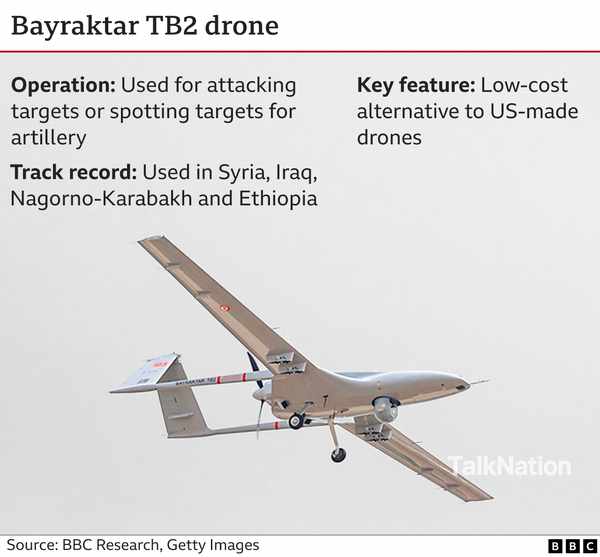
The attack on RAF Akrotiri – Britain's primary operational hub for Middle East missions – occurred precisely as hostilities entered their third day following the controversial joint US-Israeli operation that resulted in the death of Iran's Supreme Leader Ayatollah Ali Khamenei. Cypriot government spokesperson Constantinos Letymbiotis confirmed today that "information received through various channels" indicates an "unmanned drone" penetrated Cyprus's airspace and struck the British military installation, though technical specifics regarding drone type, origin, and precise damage assessment remain classified as the situation continues to develop. British Defense Secretary John Healey provided additional context during an emergency parliamentary briefing, revealing that "ballistic missiles were fired toward Cyprus" during the same timeframe, with RAF Akrotiri's air defense systems successfully intercepting most threats.
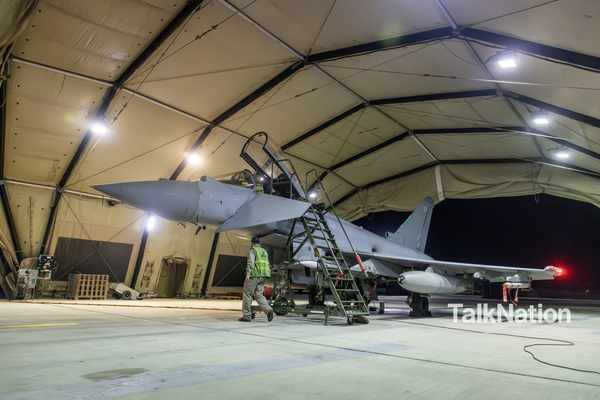
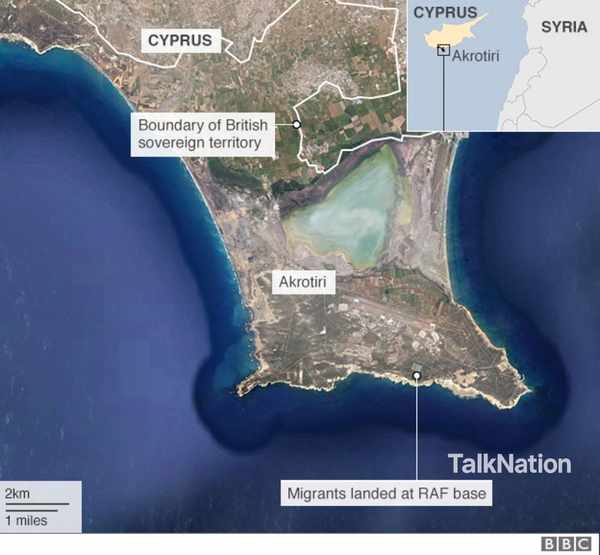
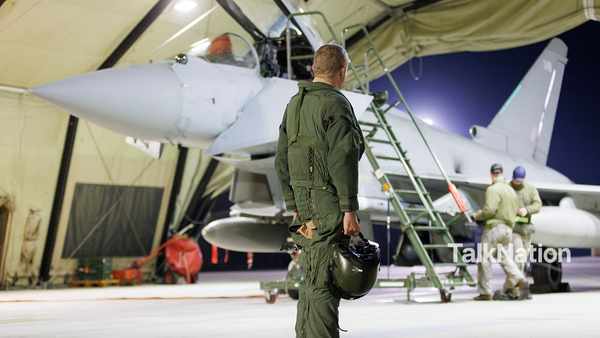
What makes this incident particularly significant is RAF Akrotiri's strategic role as Britain's forward operating base for regional missions. The base, which operates under British sovereignty despite being located on Cypriot soil, serves as a critical staging area for British military operations across the Middle East and hosts advanced aircraft including Typhoon FGR4 fighters and Voyager air-to-air refuelers. Following the attack, officials have activated maximum force protection protocols while maintaining operational readiness. The Sovereign Base Areas Administration issued notices confirming that while nearby civilian communities remain unaffected, "temporary dispersal" procedures are underway for non-essential military personnel and families as a precautionary measure. This represents a delicate balancing act for UK defense authorities who must simultaneously maintain deterrence while preventing full-scale escalation.
The timing of the attack immediately follows Prime Minister Keir Starmer's Sunday evening announcement granting US forces access to British military installations for "defensive" counter-missile operations against Iran. Starmer emphasized this decision was made "to prevent Iran from firing missiles across the region, killing innocent civilians," while stressing that British forces would "not be directly involved in the strikes." However, with Iranian state media confirming retaliatory operations across multiple fronts – including strikes against Israeli interests in Erbil and the UAE – the targeting of British territory demonstrates the widening geographical scope of this conflict. Middle East minister Hamish Falconer made a crucial clarification this morning: "The UK is not at war with Iran," though he acknowledged the unprecedented nature of having British sovereign territory struck during a foreign conflict.
What People Are Saying
Social media exploded overnight with verified footage and real-time updates from Cyprus, with #RAFAkrotiri trending globally by 05:00 GMT. Defense analysts and military personnel shared infrared footage purportedly showing air defense systems activating around the base perimeter just before midnight local time, with many noting the distinctive sound of "multiple sonic booms" across Limassol. The most widely shared clip showed RAF Akrotiri's emergency vehicles racing toward the airfield section shortly after 00:15 local time, while local residents documented base sirens activating across neighboring communities. On professional networks, former RAF commanders debated the sophistication of the attack, with one anonymously stating: "This wasn't a homemade drone – the penetration of layered air defenses suggests significant technical capability."
Official responses have emphasized unity while signaling growing alarm. Cypriot President Nikos Christodoulides issued a rare early-morning statement confirming the attack originated from Iran, while EU Commission President Ursula von der Leyen immediately pledged "collective, firm and unequivocal" support for member states facing threats. Prime Minister Starmer's government faces mounting pressure as over 200,000 British nationals remain stranded across the Gulf region, with Emirates canceling Dubai flights for a third consecutive day. On Parliament Square, Foreign Secretary Yvette Cooper addressed reporters at dawn, stating firmly: "The base remains fully operational – our deterrent capabilities are undiminished." Meanwhile, US Secretary of State Antony Blinken praised the UK partnership in a predawn call to Starmer, though Washington remains publicly quiet about specific operational details involving British bases.
Why This Matters
This incident fundamentally reshapes Britain's position in the Middle East conflict, transforming the nation from a strategic supporter to a direct target. RAF Akrotiri's vulnerability exposes critical questions about the security of UK overseas territories and military installations globally, particularly as Iran demonstrates increasingly sophisticated long-range strike capabilities. The UK's decision to grant US forces access to sovereign bases – while carefully framed as defensive – now carries tangible consequences as British soil absorbs direct retaliation. With Cyprus bordering one of the world's most volatile regions, this attack sets a dangerous precedent where European territory becomes collateral in Middle Eastern conflicts, potentially triggering NATO Article 5 discussions should future attacks cause casualties. The situation demands delicate diplomatic navigation as Britain seeks to balance alliance commitments with citizen safety – particularly with unprecedented evacuation planning underway for thousands of stranded Britons across the Gulf. As one defense expert noted in today's security briefing: "The rules of engagement have changed overnight – what happens in the Middle East now happens on European doorsteps."
FAQ
Q: Was the drone attack directly confirmed as Iranian?A: Yes – Cypriot President Nikos Christodoulides explicitly confirmed an Iranian drone hit RAF Akrotiri, while UK Defense Secretary John Healey verified ballistic missiles were fired toward Cyprus. The UK government has not issued formal attribution but all evidence points to Iranian retaliation following US-Israeli operations. Q: Are British citizens in Cyprus currently in danger?
A: The Sovereign Base Areas Administration has stated only RAF Akrotiri Station requires precautionary dispersal of non-essential personnel, with no restrictions for surrounding communities. UK Foreign Office has not updated travel advice for Cyprus beyond the base area, though heightened security is in place. Q: How does this affect UK military operations in the region?
A: RAF Akrotiri remains fully operational according to Defense Secretary Healey, though force protection measures are at maximum levels. The base continues serving as Britain's main forward operating location for Middle East missions despite the temporary personnel adjustments. Q: Will this trigger NATO involvement?
A: While RAF Akrotiri is sovereign UK territory, not a NATO installation, EU Commission President von der Leyen's strong statement suggests European collective security mechanisms may activate if attacks continue. No formal NATO consultations have been requested as of this publication.
📚 Verified Sources
- UK military base in Cyprus has been hit by a suspected drone strike
- Cyprus 'drone attack' LIVE: Brits at RAF base told 'take cover' as families evacuated
- UK military base in Cyprus targeted by drones as Iran's retaliation widens
- RAF responding to suspected drone strike at UK base in Cyprus, MoD says
- Iranian drone hit RAF base, Cyprus president says
- US-Israel attack Iran: LIVE updates after drone attack on RAF base in Cyprus
- RAF base in Cyprus hit by drone strike, Yvette Cooper confirms
- RAF base in Cyprus hit by suspected drone strike as Britain drawn into escalating Iran war
- Britain says drone hit its military base in Cyprus, the first impact of Mideast conflict in Europe
- Iranian Drone Hits UK Base in Cyprus



0 Comments