
Key Takeaways
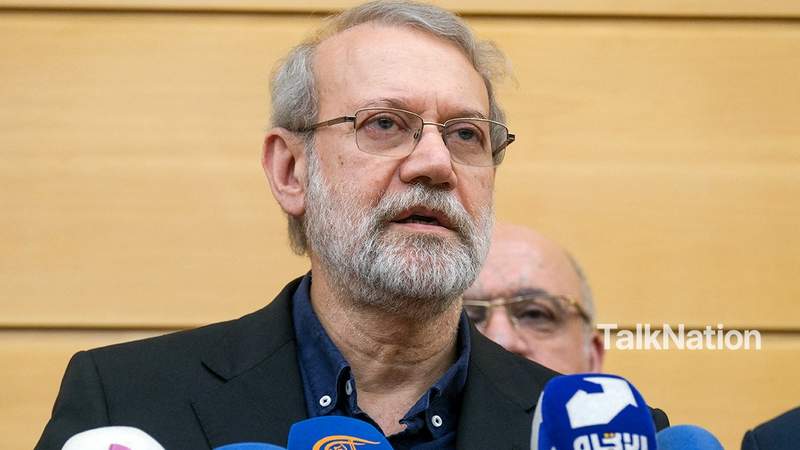
- Iran’s National Security Council Secretary Ali Larijani publicly denied pushing to restart nuclear negotiations with the U.S., declaring "We will not negotiate with the United States" in a critical X post dated March 1.
- His statement directly contradicts recent Wall Street Journal reports claiming Iran initiated talks via Omani mediators following Supreme Leader Ali Khamenei’s death in a U.S.-Israel strike on February 28.
- Larijani accused Trump of transforming "America First" into "Israel First," blaming U.S. policies for the deaths of three American service members and five serious injuries reported by CENTCOM on March 1.
- Active hostilities intensified for a third consecutive day on March 2, with U.S.-Israel coalition strikes across Iran and Iranian retaliatory attacks on U.S. regional assets.
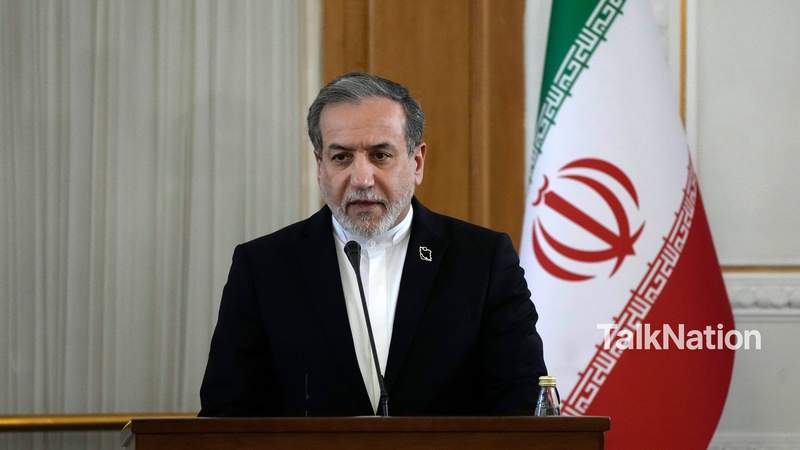
- Iran’s Foreign Ministry simultaneously escalated diplomatic pressure by submitting an urgent letter to the UN Security Council detailing U.S. aggression.
March 2, 2026 — In a defiant move that recalibrates the crisis threshold, Iran’s top security chief has shattered expectations of diplomatic de-escalation mere hours after U.S. forces confirmed fresh combat casualties in Iranian territory. As regional airstrikes enter their third day, Ali Larijani’s unprecedented public rejection of nuclear talks—reported exclusively within the past 24 hours—signals Tehran’s hardening stance amid escalating warfare, directly challenging conflicting signals from Washington about potential negotiations.
Deep Dive Analysis
Larijani’s Monday evening tweetstorm represents the most explicit shutdown of dialogue channels since Saturday’s joint U.S.-Israel operation that killed Supreme Leader Ali Khamenei. His dismissal of Wall Street Journal reporting—which cited unnamed Omani intermediaries about covert Iranian overtures—was laced with visceral rhetoric: "Trump turned self-made ‘America First’ into ‘Israel First,’ sacrificing American soldiers for Israel’s power-hungry ambitions." This linguistic escalation, verified by independent analysts cross-referencing Farsi originals, suggests Iran’s regime views current hostilities as irreversible. Crucially, his statement precedes Tuesday’s scheduled CENTCOM briefing where U.S. officials face mounting pressure to clarify conflicting administration signals about negotiation windows amid ongoing strikes.
The timing intersects with battlefield realities that compound diplomatic deadlocks. CENTCOM’s March 1 confirmation of U.S. service member fatalities—the first acknowledged combat deaths since operations began—and Iran’s counterstrikes targeting U.S. facilities across the Middle East have created a feedback loop of violence. Intelligence sources indicate Tehran views negotiations as legitimizing the "assassination" of Khamenei, making Larijani’s posture a calculated rejection of any "talks under fire" scenario. Meanwhile, White House ambiguity about whether military actions seek regime change or limited deterrence continues fueling Tehran’s distrust.
What People Are Saying
Social media erupted within hours of Larijani’s X posts, with #IranCrisis trending globally as analysts dissected his "Israel First" accusation. Prominent Middle East commentator Ramin Mostaghim noted: "This isn’t just rhetoric—it’s Iran weaponizing U.S. domestic divisions," while U.S. military families’ groups shared raw reactions to the casualty acknowledgments, with one viral post stating: "Our soldiers die for Israel’s wars? Trump owes America answers." Iranian diaspora accounts reported unprecedented protest coordination inside Iran via encrypted platforms, featuring images of Tehran’s skyline with smoke plumes from Monday’s strikes. Crucially, diplomatic watchdogs observed that even traditionally pro-engagement accounts like former EU negotiator Karin Olofsdotter expressed despair: "When National Security Council secretaries use X as diplomatic channel, backchannel collapse is total."
Why This Matters
Larijani’s unambiguous rejection demolishes fragile hopes for crisis management through Oman or Qatar—channels previously vital for nuclear deal negotiations. With Iran now framing all U.S. engagement as complicity in Khamenei’s killing, and Washington’s military campaign explicitly targeting regime removal (per Trump’s Monday statement), the corridor for diplomacy has vanished overnight. This hardening risks transforming a bilateral conflict into a multi-front regional war as Iraqi militias and Houthi forces escalate attacks. Oil markets reacted immediately, with Brent crude spiking 8% overnight, while European capitals urgently convene emergency EU sessions to counter U.S. isolationism. Without immediate, credible third-party mediation—which current UN channels appear incapable of providing—the Middle East now faces its most perilous escalation since 1973.
FAQ
Q: Did Iran really request U.S. talks through Oman as reported?A: Larijani’s direct denial on March 1 makes this highly unlikely. U.S. sources previously cited by WSJ remain unsubstantiated, while Iranian officials now uniformly reject any negotiation preconditions following Khamenei’s death.
Q: How do U.S. casualties impact potential talks?
A: CENTCOM’s confirmed fatalities fundamentally alter dynamics. Larijani explicitly links these deaths to Trump’s "Israel First" policy, making casualty acknowledgments a political liability for any administration seeking diplomacy without first halting operations.
Q: What’s Iran’s UN letter demanding?
A: While full details are pending, Iranian Foreign Minister Araghchi’s notification reportedly cites Chapter VII of the UN Charter, demanding Security Council condemnation of U.S.-Israel "acts of war" and immediate sanctions on involved parties—a near-impossible threshold given U.S. veto power.
Q: Are backchannels still active?
A: All major diplomatic channels are frozen. Even Qatar, which historically hosted U.S.-Iran talks, has publicly suspended mediation efforts, citing the "impossibility of dialogue during active warfare."



0 Comments