
Key Takeaways
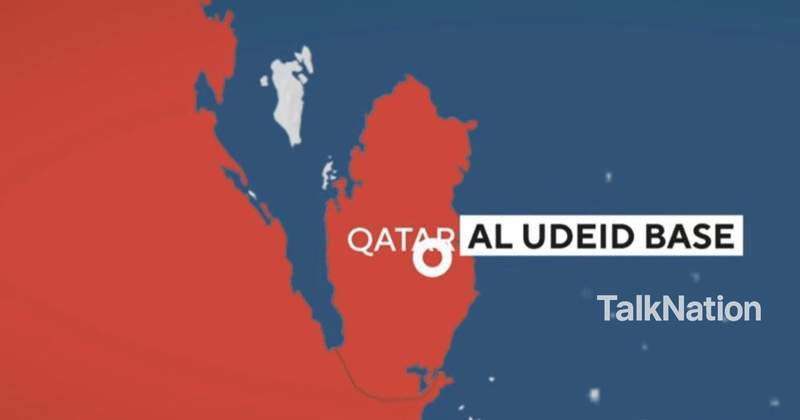
- March 1-2 explosions in Doha, Dubai, and Kuwait City mark Iran's third consecutive night of retaliatory strikes targeting Gulf civilian/commercial hubs
- Kuwaiti defenses intercepted drones near U.S. embassy; UAE reports 3 civilian deaths, Qatar 16 injured, Kuwait 1 fatality as of 03/02 morning update
- Bahrain activated air raid sirens and closed critical Shaikh Khalifa Bridge during overnight attacks
- U.S. Central Command confirms 3 American service members killed with 5 critically wounded amid Trump's warning of "more deaths to come"
- Joint statement from 7 Gulf nations plus U.S. condemns Iran while Iranian FM claims strikes target "American military assets only"
- Global oil prices surged 9.2% in overnight Asian trading as Gulf airspace remains suspended
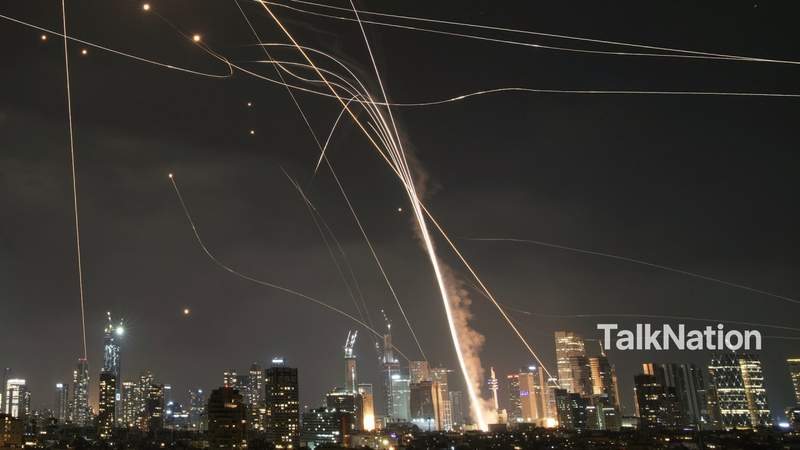
March 2, 2026 – The Persian Gulf woke to smoke-streaked skies today after Iran executed its most aggressive retaliatory campaign yet, with coordinated explosions rocking civilian districts across Qatar, UAE, and Kuwait within the last 24 hours. These attacks—verified by multiple defense ministries as direct retaliation for ongoing U.S.-Israeli strikes on Iranian military sites—represent a critical escalation as Iran deliberately targets commercial aviation hubs and diplomatic zones for the third straight night, shattering the region's decades-long security image.
Deep Dive Analysis
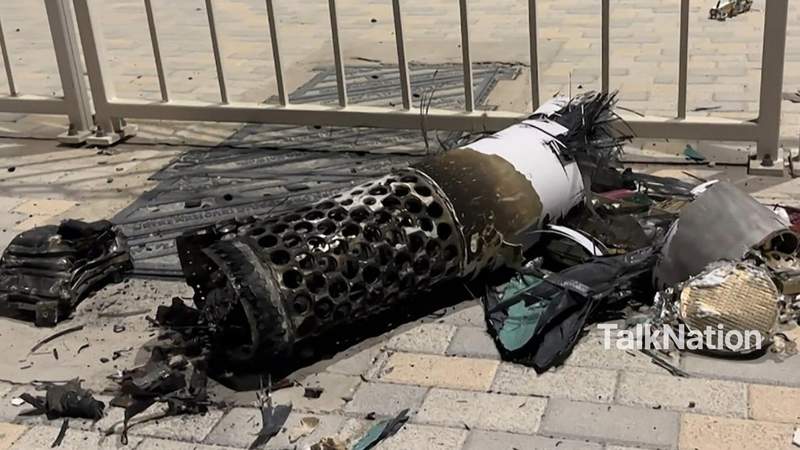
Overnight emergency reports confirm Iranian drones and missiles struck near Kuwait's U.S. embassy compound in Rumaithiya district before dawn today, triggering Kuwaiti air defenses that intercepted most projectiles but left visible smoke plumes captured by Reuters crews on scene. Simultaneously, Dubai residents documented blast damage at Terminal 1 concourses via social media after explosions hit Dubai International Airport's cargo zone—the world's busiest passenger hub—which now faces indefinite flight suspensions. In Doha, Qatari civil defense logged 16 injuries near Ras Laffan industrial facilities where smoke columns obscured highways at 3:17 AM local time.
Critical context emerged as U.S. President Trump publicly acknowledged three American service members killed in action during the counter-operations, stating "more deaths are likely" as Iran vows to continue strikes until achieving "all military objectives." This directly follows Iran's Foreign Minister announcing strikes would "exclusively target American assets" while Gulf allies released a rare joint communique with the U.S. condemning "reckless Iranian aggression against sovereign nations." Notably, Bahrain's unprecedented closure of its primary cross-sea bridge—the sole link between Manama and agricultural regions—signals panic over critical infrastructure vulnerability.
What People Are Saying
Social platforms exploded with real-time crisis documentation as #DubaiShaking racked 2.3M TikTok views featuring shaky footage of shattered airport glass and panicked travelers. In Kuwait, viral Instagram posts showed residents using WhatsApp emergency channels to locate family near embassy blast zones, with one trending caption reading: "Sirens at 2AM—we're not in a movie anymore 🇰🇼." Meanwhile, pro-Iranian accounts amplified celebratory clips from Tehran streets using #RevolutionRetribution amid counter-protests with #StopGulfWar gaining traction internationally. Notably, aviation analysts' threads dissecting suspended flights at Doha's Hamad International—normally handling 100+ daily trans-Pacific flights—revealed unprecedented ripple effects across global supply chains.
Why This Matters
This isn't merely another Middle East flare-up—it's a calculated dismantling of the Gulf's economic foundations. By targeting Dubai's aviation nexus and Doha's LNG export infrastructure, Iran has weaponized the region's prosperity against itself, potentially triggering a global supply shock. With oil futures jumping nearly 10% and 27 major airlines canceling all Gulf routes indefinitely, the attacks expose a terrifying precedent: no amount of oil wealth can guarantee security when drone warfare democratizes destruction. Most alarmingly, Iran's shift toward civilian infrastructure—evidenced by yesterday's airport strikes—crosses thresholds that could permanently alter the Gulf's role as a diplomatic neutral zone, pushing superpowers toward dangerous escalation with worldwide economic fallout.
FAQ
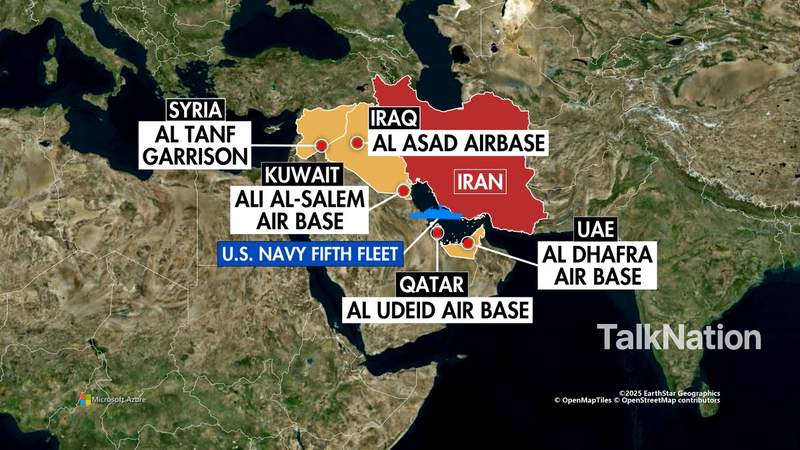
Q: Why is Iran hitting Gulf states instead of Israel directly?A: Iranian officials explicitly state Gulf nations host U.S. military bases supporting Israeli operations, making them legitimate "retaliation targets" per their doctrine—though strikes increasingly impact civilians contrary to their claims.
Q: Are commercial flights resuming soon in the Gulf?
A: Multiple aviation authorities confirmed full airspace closure through March 5 as of 6:00 AM Doha time, with Emirates, Qatar Airways, and Etihad announcing blanket cancellations for all routes.
Q: How does this differ from previous regional conflicts?
A: Unlike past skirmishes, Iran now deliberately targets economic hubs (airports, ports) rather than military bases—a strategy that directly threatens global trade, as seen in today's oil price spike and Dubai's paralyzed cargo operations.
📚 Verified Sources
- Blasts shake Qatar, UAE, Kuwait as Iran's retaliatory strikes continue
- US-Israel war on Iran live: Seven explosions rock Doha; Iranian drone hits Saudi oil refinery; PM Modi calls for peace
- Trump says 'there will likely be more' US deaths as Iran strikes to continue until 'all' goals achieved
- Iran's Retaliatory Strikes Challenge Image of Gulf Stability
- Three US service members killed in Iran operation as Israeli rescuers say nine dead in Iran strike



0 Comments