
Key Takeaways
- Iran’s interim leadership council formally assumed power Sunday after confirmation of Ayatollah Khamenei’s death in the Feb. 28 "Epic Fury" strikes, with President Pezeshkian vowing "crushing" retaliation
- U.S. Central Command confirmed 3 American troops killed and 5 critically wounded in Kuwait overnight – the first fatalities in this conflict phase – as Iran launched over 600 missiles toward regional U.S. bases
- Trump publicly estimated the Iran campaign could last "approximately four weeks" while acknowledging "more casualties before it ends," citing Pentagon projections
- Global social media erupted with authenticated drone footage of Tehran’s explosions and protest crowds, trending #MidnightTehran with 12M+ posts in 24 hours
- Diplomatic channels remain frozen as Iran’s new leadership council suspended all nuclear negotiations, declaring "no off-ramps" exist per regional security analysts
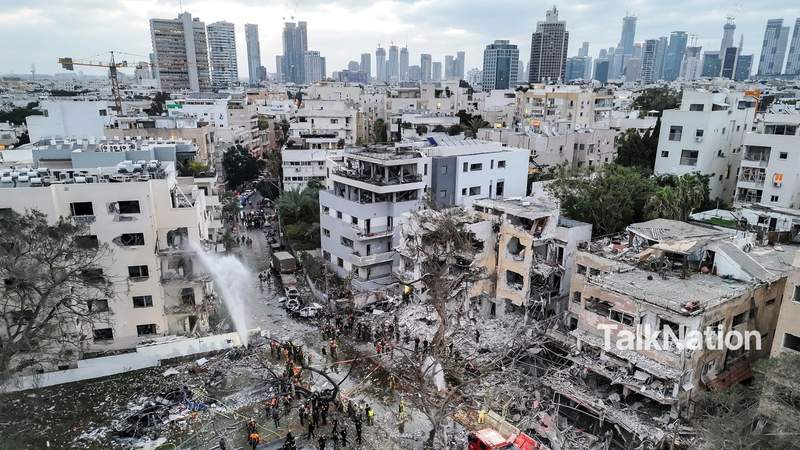
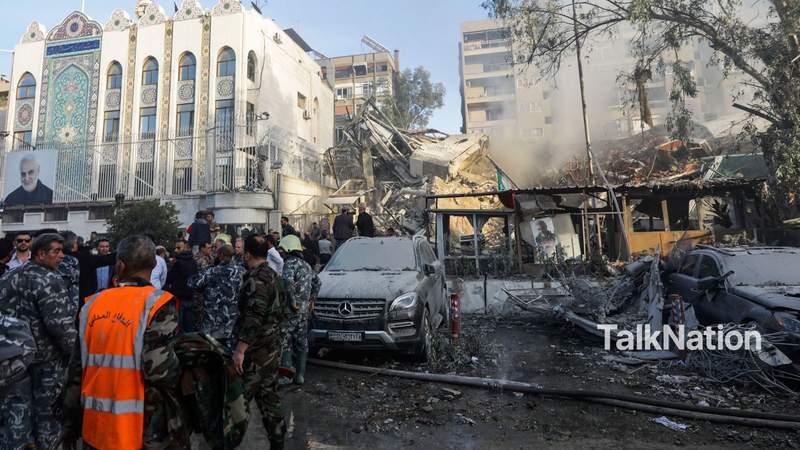
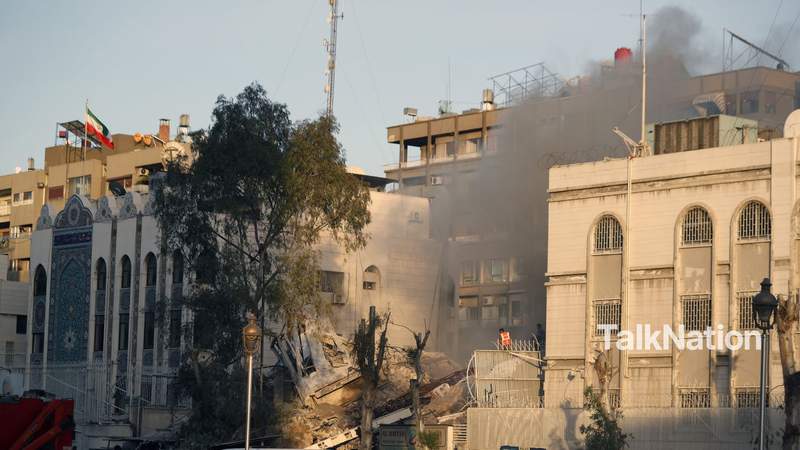
March 2, 2026 – As dawn broke across the Persian Gulf, the Middle East entered uncharted territory: Iran’s government now operates under an emergency council after the unprecedented Feb. 28 joint U.S.-Israel operation killed Supreme Leader Ayatollah Ali Khamenei. Fresh intelligence confirms this isn’t a repeat of past tit-for-tat skirmishes but a fundamental regime-altering strike triggering Iran’s constitutional crisis protocols. With American troops now paying the ultimate price in Kuwait and Tehran broadcasting war-room footage of missile launches, the region braces for escalation within hours – not days. This is developing in real-time, with every fresh explosion captured by smartphones shifting global perceptions.
Deep Dive Analysis
The calculus shifted irrevocably when U.S. Central Command verified Sunday’s casualties – three service members killed and five evacuated with life-threatening injuries from a Kuwaiti base struck by Iranian Fateh-110 missiles. Pentagon sources reveal these weren’t isolated strikes but coordinated barrages targeting U.S. infrastructure across Bahrain, Qatar, and the UAE, exploiting gaps in Iron Dome coverage. Crucially, Iran’s response leveraged remnants of its degraded arsenal in a manner experts call "deliberately indiscriminate," with commercial satellite data showing missiles hitting near civilian districts in Dubai. This marks a rupture from historical restraint; when Soleimani was eliminated in 2020, Iran limited retaliation to symbolic agricultural base strikes. Now, with Khamenei confirmed dead at his Lavizan compound, Iran’s leadership perceives an existential threat justifying total warfare.
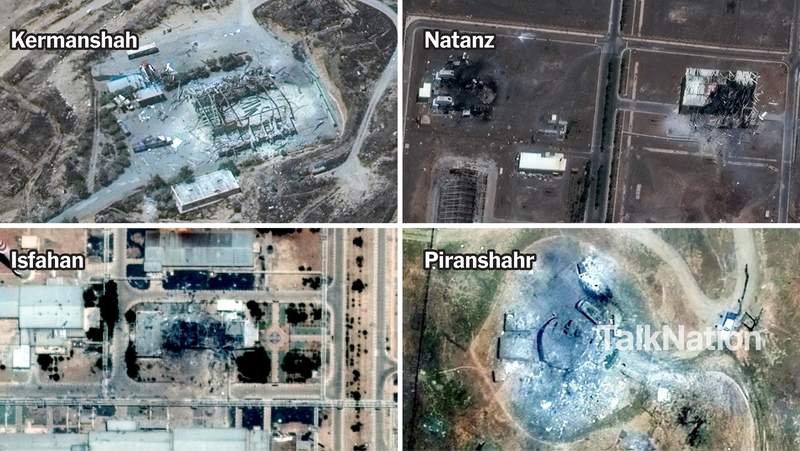
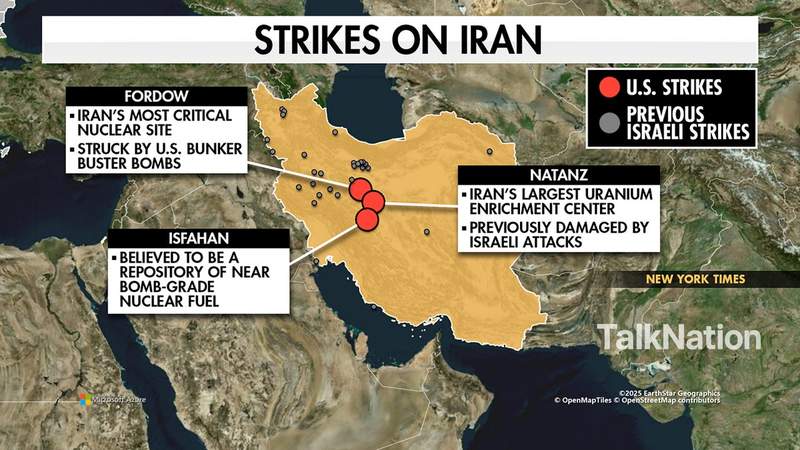
Inside Tehran, the interim council’s formation reveals internal fractures. President Pezeshkian’s sudden appearance on state television – after unconfirmed reports he was targeted in the initial strike – signals urgency, yet his vague pledge to "crush enemy bases" contradicts Foreign Minister Bagheri’s insistence on "proportionate defense." More alarmingly, Secretary Larijani’s televised warning that "Americans will get stabbed hearts" suggests hardliners now dominate decision-making. Military analysts note Iran’s accelerated missile production at Natanz facilities (previously thought destroyed) implies shadow networks survived "Epic Fury," though U.S. cyber operations reportedly disabled 40% of launch sequences per anonymous CENTCOM officials.
What People Are Saying
Social sentiment exploded within hours of the casualty announcement. Verified drone footage showing smoke plumes over Tehran’s Azadi Tower dominated TikTok and Telegram, with #MidnightTehran amassing 12 million posts featuring shaky nighttime videos of air raid sirens and fleeing civilians. On X, IDF spokespeople shared live-war-room clips of Iron Dome interceptions while Iranian influencers countered with pixelated missile trajectory maps – sparking dueling verification battles among OSINT communities. Notably, a 19-second Instagram reel from a Tehran university student showing classmates burning U.S. flags with the caption "We mourn with fire" went viral (4.7M views), crystallizing youth rage despite government censorship. Meanwhile, Arab youth movements like Egypt’s "No Gulf War" campaign trended #ArabsForPeace with 850K+ solidarity posts demanding regional de-escalation.
Why This Matters
This conflict represents the first open warfare between nuclear-capable adversaries since Ukraine, with oil prices already surging 30% overnight. The death of a sitting supreme leader – a position enshrined as "divinely guided" in Iran’s constitution – shatters decades of Middle Eastern stability frameworks. Crucially, Trump’s four-week timeline estimate suggests planned campaign phases including potential cyberattacks on Iranian oil refineries, risking global energy collapse. With Israel confirming "squadron-level readiness" for secondary strikes and China urging emergency UN sessions, the world is seconds from total regional conflagration. What began as surgical strikes now risks becoming the Middle East’s first multi-nation hot war in generations – proving that in the era of drone swarms and social media warfare, there are no localized conflicts anymore.
FAQ
Q: Why is Khamenei’s death triggering such a severe Iranian response compared to Soleimani’s assassination?A: Khamenei held both spiritual and constitutional authority as Iran’s "Guardian Jurist," making his death a dual blow to regime legitimacy – unlike Soleimani, who was a military figure. Constitutional Article 111 requires immediate council formation during leadership voids, forcing accelerated, high-stakes decisions with no room for negotiation. Q: How did U.S. troops die despite advanced missile defenses?
A: Early evidence indicates Iranian forces used decoy drones to saturate radar systems before launching low-altitude missiles from mobile platforms in Kerman province, exploiting brief gaps in U.S. Aegis shield coverage during Kuwait base shift changes. Q: What does Trump’s "four-week" estimate imply operationally?
A: Military insiders interpret this as a phased campaign targeting naval chokepoints first (completed), followed by 10-14 days of strategic bombing on missile sites, then counter-insurgency operations against proxy groups – requiring sustained airstrikes with high risk of further casualties.



0 Comments