
Key Takeaways
- Oil prices surge 10% to $80 a barrel after attacks near the Strait of Hormuz
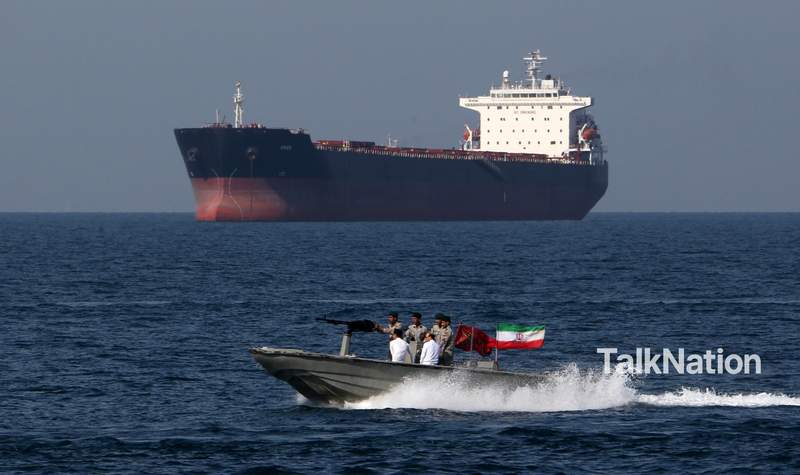
- Tanker traffic halts as ships are warned against passage by the Islamic Revolutionary Guards Corps
- OPEC+ agrees to boost oil production, but limited spare capacity may impact supply
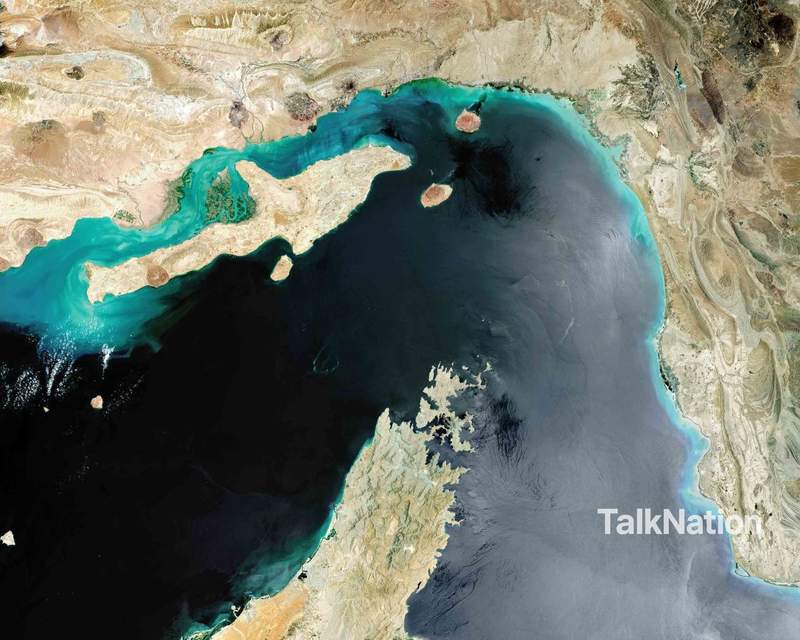
As of today, March 2, 2026, the global energy market is experiencing a significant surge in oil prices, with a 10% increase to $80 a barrel, following recent attacks on ships near the Strait of Hormuz. The situation is unfolding rapidly, with tanker traffic coming to a halt as ships are warned against passage by the Islamic Revolutionary Guards Corps. The attacks have sparked concerns over the potential disruption to global oil supplies, with Iran responsible for 4.4% of global oil supplies.
Deep Dive Analysis
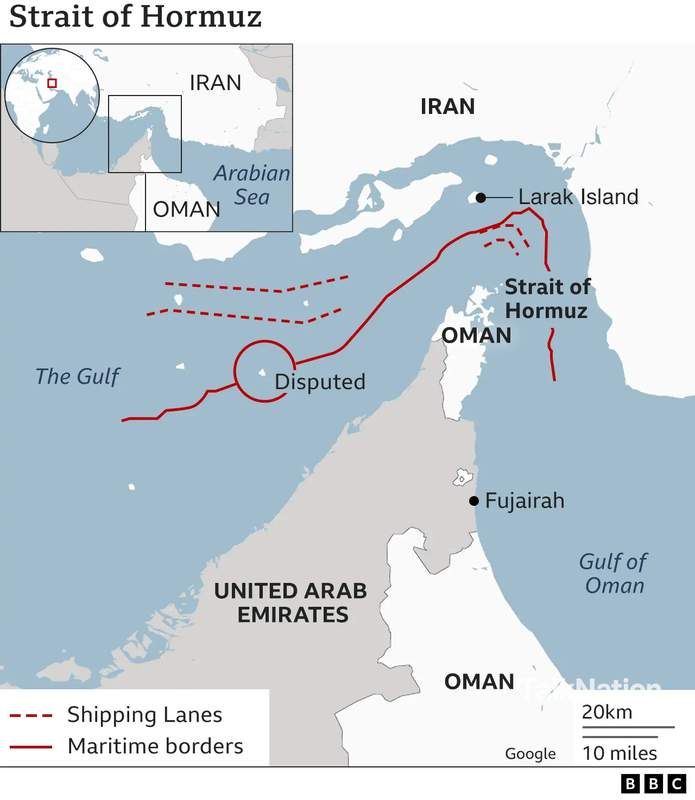
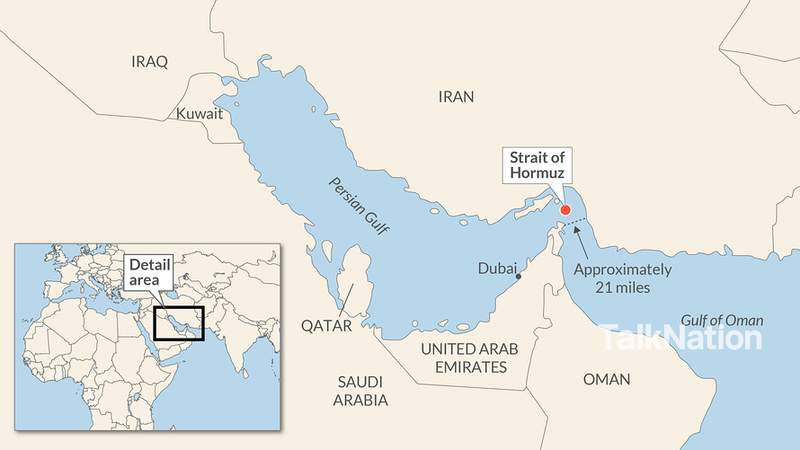
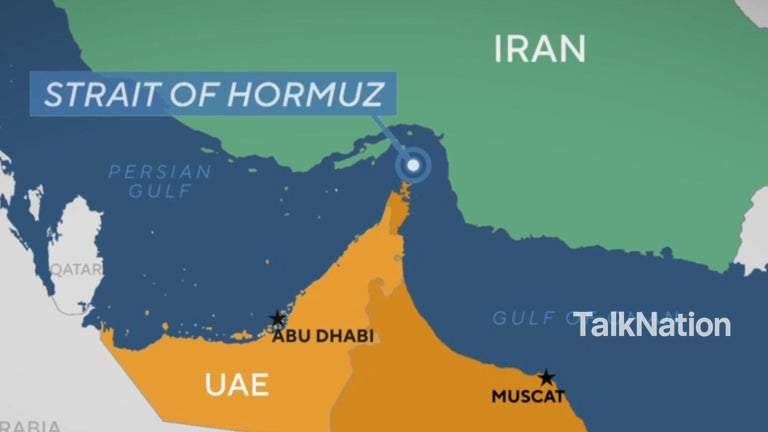
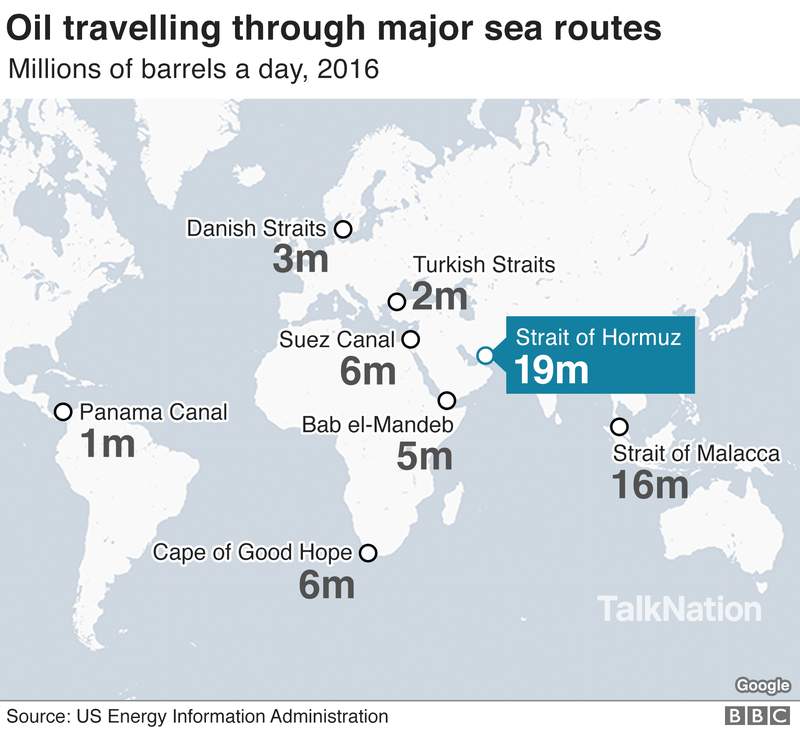
The Strait of Hormuz is a critical waterway, with approximately a fifth of the world's oil passing through it on the way to export markets. Any disruption to this supply chain could have far-reaching consequences, including a potential price increase to $100 per barrel. Although Iran has stated that it has no intention of closing the Strait of Hormuz at present, the warning to ships and the suspension of tanker traffic are causing concern among oil traders and analysts. The OPEC+ agreement to boost oil production by 206,000 barrels a day in April may help to alleviate some of the supply concerns, but the limited spare capacity among most cartel members may limit the impact of this increase.
The attacks on ships near the Strait of Hormuz have also led to a surge in shipping activity, with hundreds of tankers carrying oil and liquid natural gas dropping anchor or remaining stationary near the strait. The suspension of vessel crossings through the strait by shipping giant Maersk and the advisory from Greece's shipping ministry to avoid the Persian Gulf, the Gulf of Oman, and the Strait of Hormuz are further exacerbating the situation. As the situation continues to unfold, it is likely that we will see further volatility in the energy market, with potential implications for global inflation and economic growth.
What People Are Saying
The recent developments have sparked a significant reaction on social media, with many experts and analysts weighing in on the potential implications of the attacks and the subsequent surge in oil prices. Some have expressed concerns over the potential for further escalation, while others have noted the potential benefits of increased oil production. On Twitter, #oilprices, #straitofhormuz, and #iran are trending, as users discuss the potential impact on the global economy. The situation is being closely monitored, and it is likely that we will see continued discussion and analysis in the coming days.
Why This Matters
The surge in oil prices and the potential disruption to global oil supplies have significant implications for the global economy. As the world's most widely traded commodity, oil plays a critical role in shaping the global economy. The potential increase in oil prices could lead to higher inflation, impacting major economies and potentially slowing economic growth. The situation highlights the importance of monitoring global events and their potential impact on the energy market, as well as the need for continued investment in renewable energy sources to reduce dependence on fossil fuels.
FAQ
Q: What is the current price of oil?A: As of today, March 2, 2026, the price of oil has surged 10% to $80 a barrel. Q: What is the potential impact of the attacks on global oil supplies?
A: The attacks on ships near the Strait of Hormuz have sparked concerns over the potential disruption to global oil supplies, with Iran responsible for 4.4% of global oil supplies. Q: What is OPEC+'s response to the situation?
A: OPEC+ has agreed to boost oil production by 206,000 barrels a day in April, but the limited spare capacity among most cartel members may limit the impact of this increase.



0 Comments