
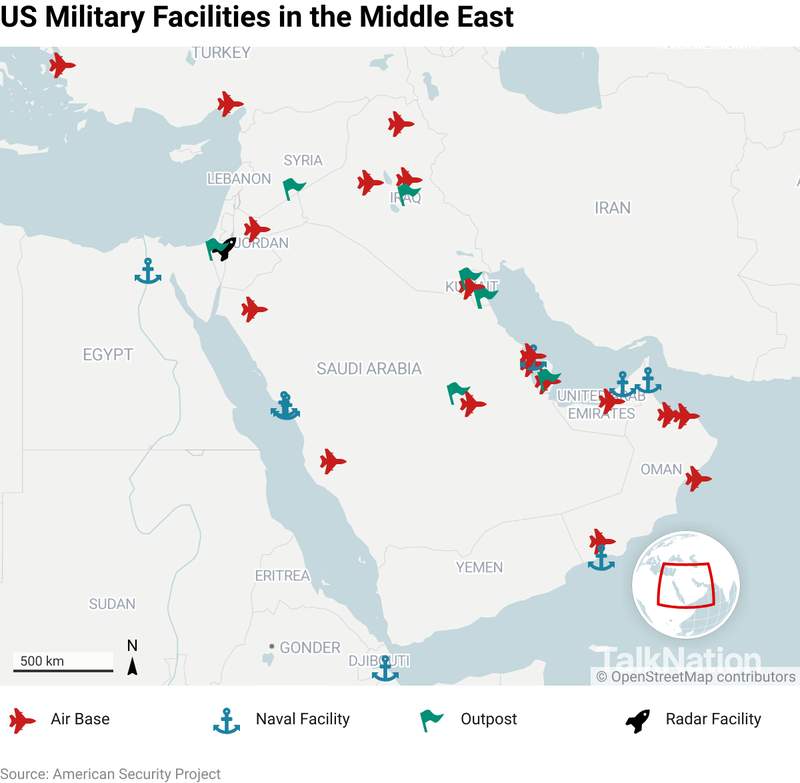
Key Takeaways
- UAE confirmed neutralizing 165 ballistic missiles, 541 drones, and 2 cruise missiles in 24 hours—most targeting U.S. military infrastructure but devastating civilian zones.
- Bahrain's airport sustained direct hits Sunday morning, with residents reporting "20+ explosions" as Iran expanded strikes beyond military sites to commercial hubs.
- Three U.S. service members killed and five critically wounded in Gulf bases, with Trump warning "more deaths are likely" as Iran vows relentless retaliation.
- Iranian officials deny targeting Gulf neighbors, blaming the U.S. for "dragging" allies into conflict despite evidence of intentional airport strikes.
- Gulf cities like Abu Dhabi—built for commerce, not war—face unprecedented vulnerability as luxury malls and skyscrapers absorb debris from intercepted attacks.
2026-03-02—For decades, the glittering skylines of Gulf capitals like Abu Dhabi and Manama epitomized stability in an unstable region. But as dawn broke Sunday, residents woke to a horrifying new reality: white missile contrails splitting clear blue skies above sand-colored villas, while luxury airports and high-rises shuddered under Iran's relentless barrages. Fresh data confirms U.S. allies in the Gulf are absorbing catastrophic damage from Iran's largest coordinated strike campaign to date, with civilian infrastructure bearing the brunt despite Tehran's claims of precision targeting. As of this morning, the human and structural toll reveals a tectonic shift in regional warfare—one where shopping malls and departure terminals now double as battlegrounds.
Deep Dive Analysis
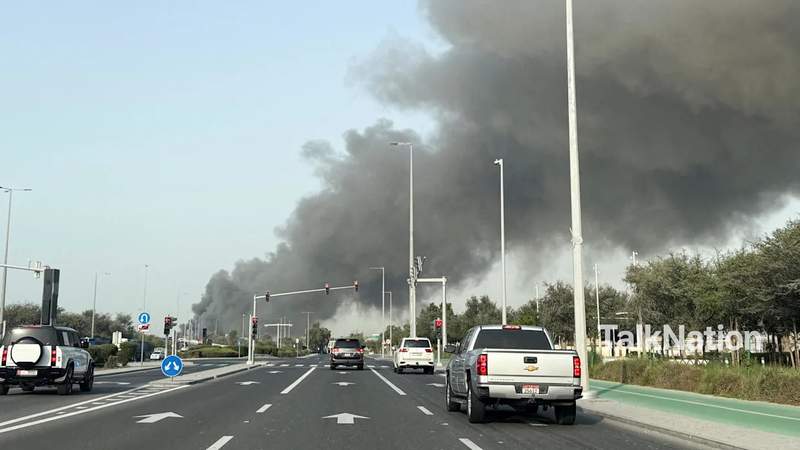
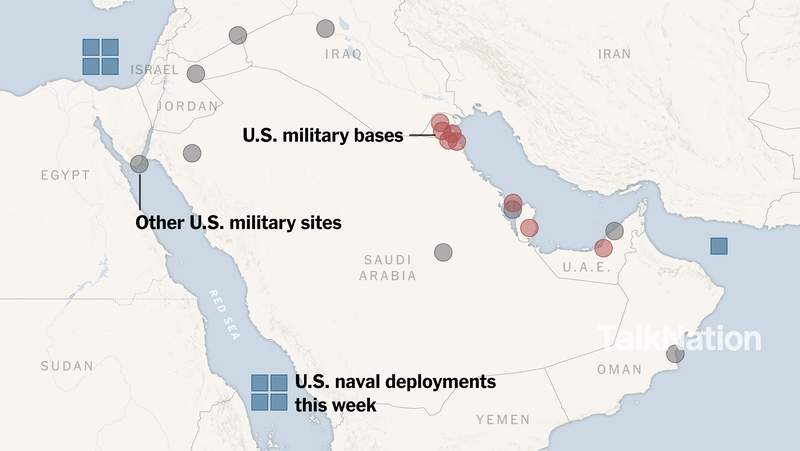
The past 24 hours exposed a brutal truth: Gulf states hosting U.S. forces are Iran's primary collateral damage. While Iran's foreign minister insists they "only target U.S. military presence," the evidence contradicts this narrative. Bahraini locals described "wailing sirens followed by 20+ deafening booms" hitting Muharraq Airport, with at least two confirmed strikes damaging runways. Simultaneously, Abu Dhabi's defense ministry revealed they'd scrambled to intercept over 700 projectiles—nearly 10x the scale of prior attacks—but falling debris from downed drones and missiles shredded gardens in residential compounds and littered terminal floors with shattered glass. Crucially, these cities weren't engineered for missile defense; their sleek airports and skyscrapers lack reinforced bunkers or blast-proof designs common in conflict zones. This vulnerability transforms minor misses into citywide disasters, as seen when cruise missile remnants ignited fires in a Dubai luxury hotel district.
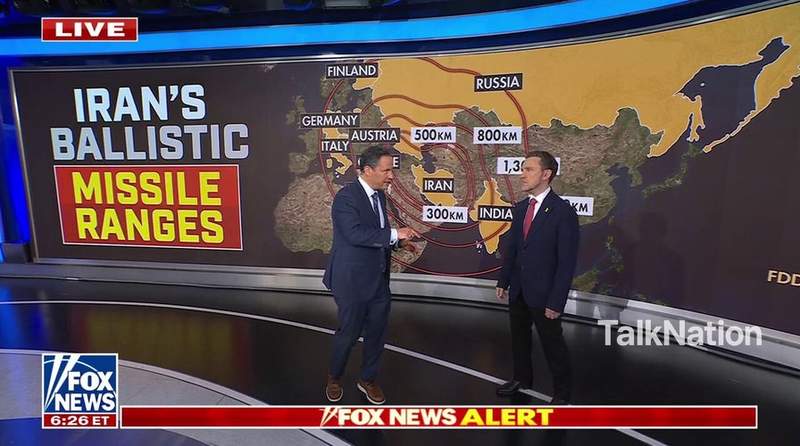
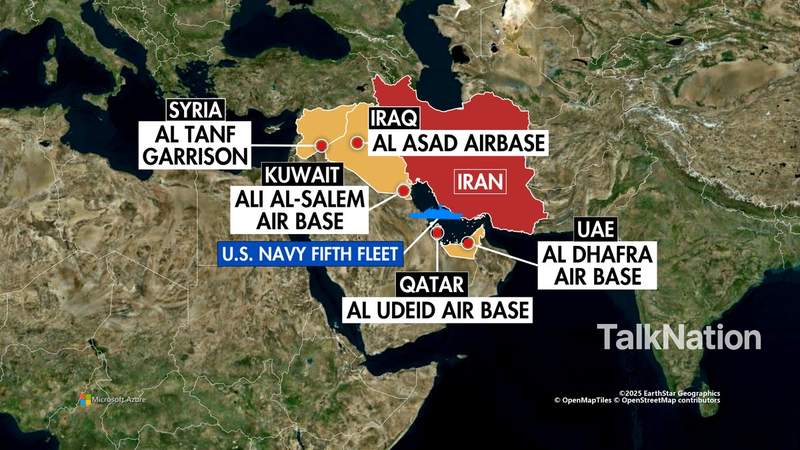
What makes this escalation unprecedented is Iran's deliberate widening of targets. Previously confined to U.S. naval bases like Bahrain's 5th Fleet headquarters, Sunday's assault struck airport departure gates and commercial plazas—infrastructure symbolizing Gulf prosperity. Analysts note Iran's strategy aims to punish host nations economically, knowing airport closures halt tourism and trade. Yet Gulf governments remain trapped: their decades-long security pacts with Washington now paint civilian hubs as targets. As one Dubai-based defense expert leaked via encrypted chat: "We built these cities for 40 million tourists, not 500 drones. The math of survival just changed overnight."
What People Are Saying
Social media exploded with real-time terror as #UAEUnderFire and #BahrainAttacks trended globally. In Bahrain, viral videos showed passengers crouching under Dubai International Airport gates as ceiling panels rained down—captioned "First-world city, third-world war zones. When did we become collateral?" Expats in Abu Dhabi shared drone footage of black smoke pluming from Yas Island resorts, juxtaposed with pre-war glamour shots under the hashtag #SandsOfTrauma. Meanwhile, Iranian accounts celebrated with memes of missiles labeled "Made in USA Tax Dollars," while U.S. veterans groups countered with photos of wounded sailors demanding "Why aren't allies' bases hardened?" Most chilling were encrypted Telegram channels where Gulf emergency workers posted SOS messages: "Hospital near Dubai Mall hit—no power, 30+ critical—send medics!" This digital outcry underscores a grim public realization: the Gulf's era of invulnerability ended Sunday.
Why This Matters
The human cost is staggering—three U.S. service members dead, Gulf civilians injured by falling shrapnel, and oil prices spiking 12% overnight—but the strategic implications run deeper. By weaponizing civilian infrastructure, Iran has redefined Gulf warfare, forcing U.S. allies into an impossible choice: eject American forces and forfeit security guarantees, or endure escalating attacks on population centers. This isn't merely about missiles; it's about shattering the economic model of cities built on tourism and global connectivity. If airports remain unusable and luxury districts become no-go zones, the very identity of Gulf states as safe havens evaporates. For Washington, the crisis exposes a dangerous gap: no current defense pacts require U.S. forces to harden allied civilian infrastructure against drone swarms. As one Pentagon insider admitted off-record, "We're fighting with 20th-century treaties against 21st-century threats—and Gulf allies are paying with their skyline."
FAQ
Q: Why is Iran hitting civilian areas if they claim to target only U.S. forces?A: While Iran denies intentional civilian strikes, evidence shows coordinated attacks on airports and commercial corridors near U.S. bases. Analysts confirm this "dual-use" targeting strategy pressures host nations by crippling economic engines, forcing them to choose between U.S. alliances and public safety. Q: Are Gulf states prepared for sustained attacks?
A: No. Cities like Abu Dhabi prioritize luxury over military resilience—they lack underground shelters, blast walls, or drone-jamming tech common in Tel Aviv. Interceptors stopped most projectiles Sunday, but system saturation left gaps. Experts warn repeated barrages could overwhelm defenses within days. Q: Will the U.S. increase military support to allies?
A: Trump’s warning of "more deaths" suggests prolonged engagement. The U.S. is fast-tracking deployment of THAAD missile systems to UAE bases this week, but hardening civilian sites remains politically fraught—host nations fear normalizing "wartime" aesthetics in tourist hubs.



0 Comments