
Key Takeaways
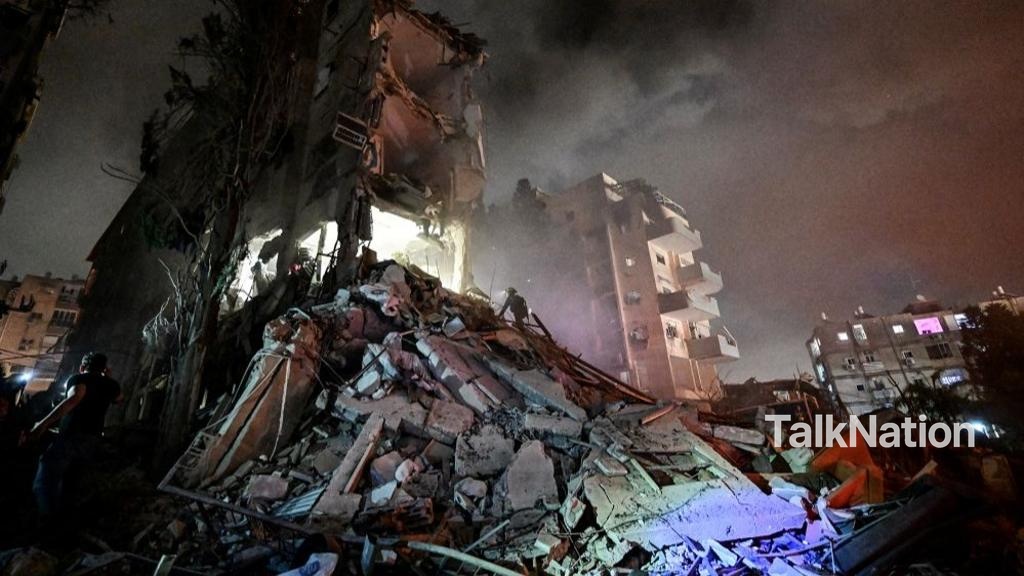
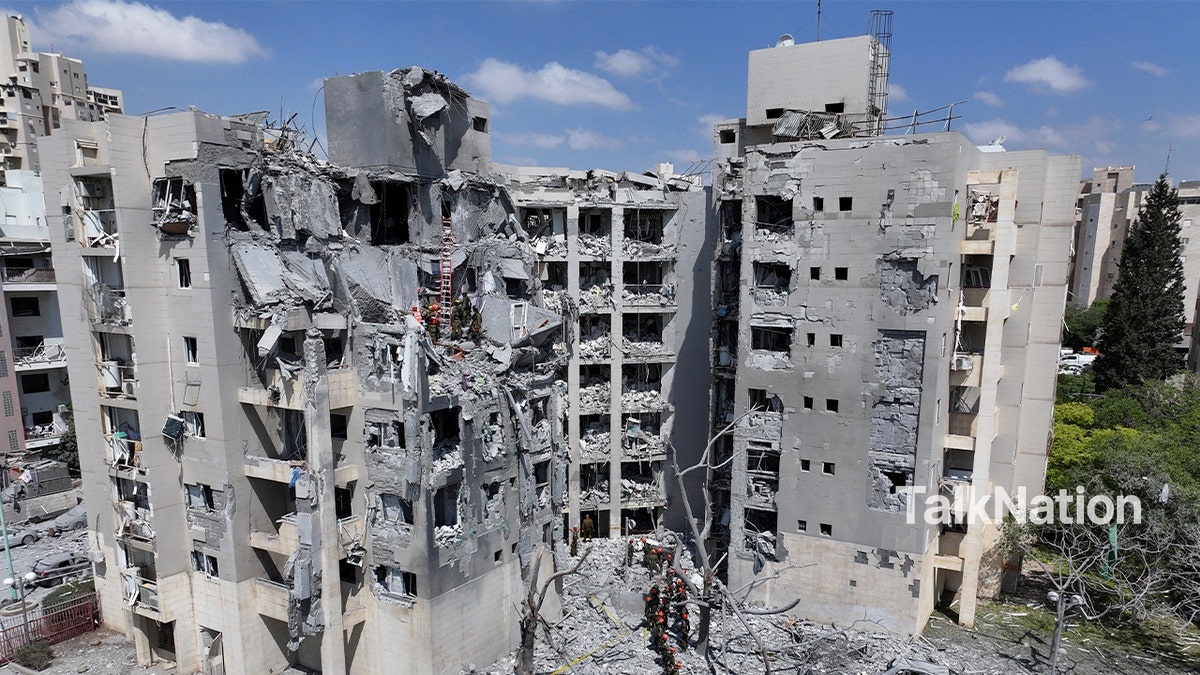
- Nine civilians confirmed dead and 27 injured in Beit Shemesh after Iranian ballistic missile directly struck a synagogue serving as emergency shelter during Saturday's coordinated regional attack
- US Central Command confirms destruction of Iran's Revolutionary Guard Corps headquarters, while Trump states operations are "ahead of schedule" with nine Iranian Navy vessels sunk
- Global travel chaos continues with over 1,500 flights canceled as Middle Eastern airspace remains largely closed amid ongoing military operations
- Crude oil prices surge past $95/barrel with projections indicating imminent $100 milestone amid supply chain disruptions
- Iran's interim Leadership Council appointed with Ayatollah Arafi named as temporary Supreme Leader following Khamenei's confirmed death in US-Israeli strike
March 2, 2026 – In the bloodiest single attack since hostilities escalated 48 hours ago, Iranian missiles transformed a Beit Shemesh synagogue into rubble early Sunday morning, claiming nine lives and leaving 11 still unaccounted for as rescue operations continue through the night. This developing story represents the most recent phase in a rapidly deteriorating Middle East crisis that now spans three continents, with fresh military developments emerging hourly. As world leaders scramble to contain the conflict, the human cost continues to mount beyond Israel's borders with fatalities confirmed in the UAE, Kuwait, and among US military personnel.
Deep Dive Analysis
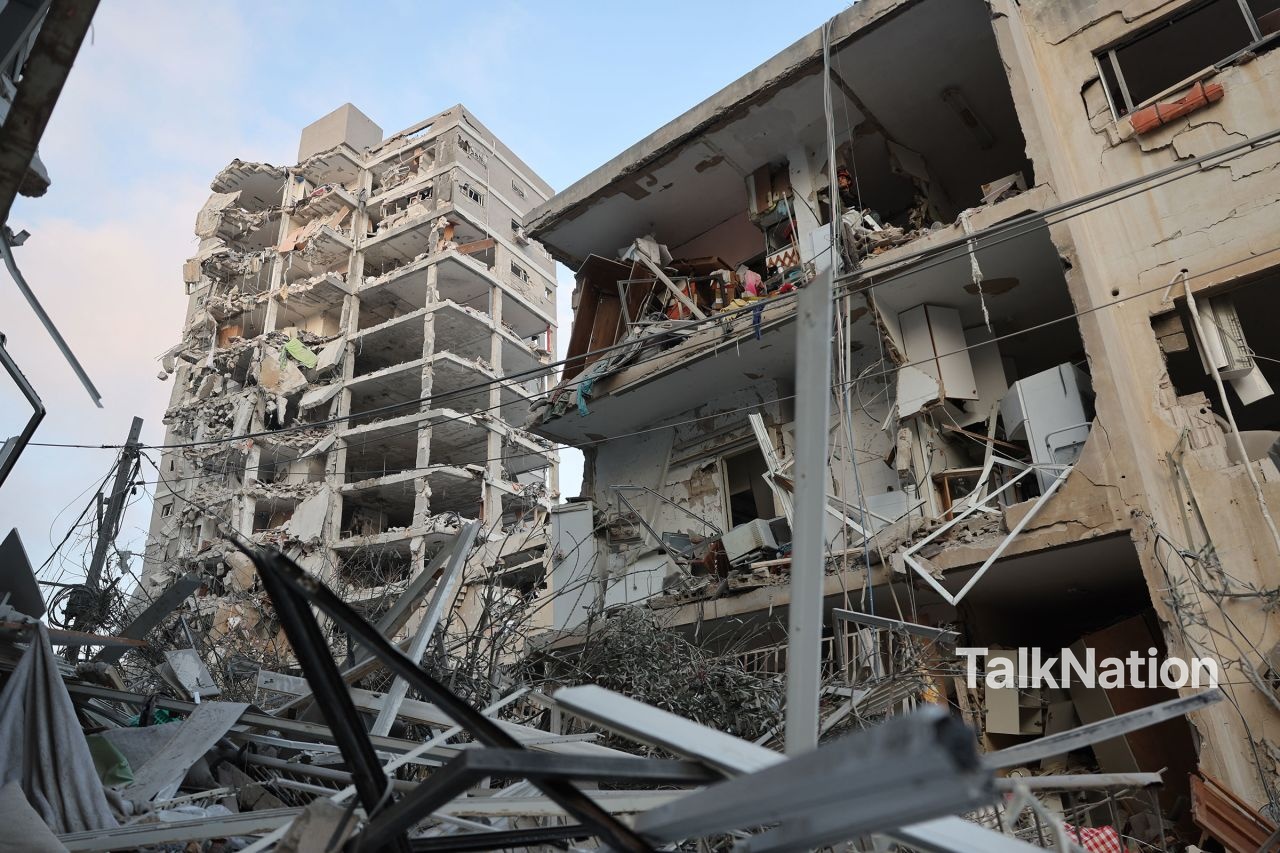
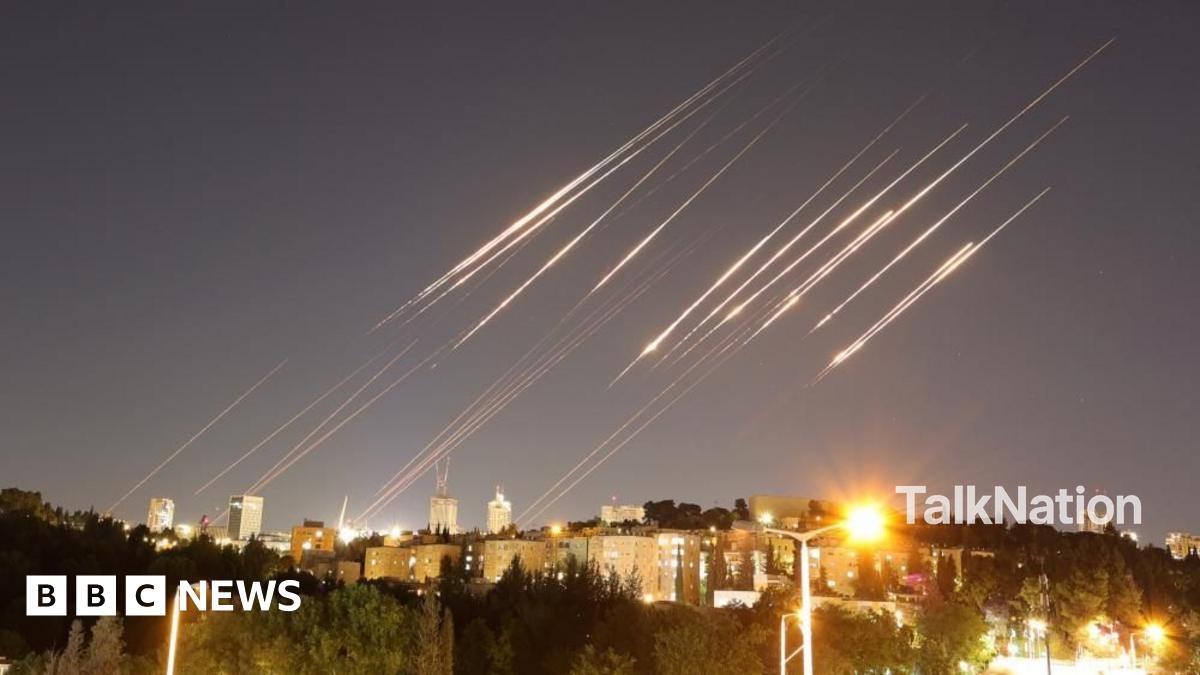
The Beit Shemesh tragedy represents a critical escalation in targeting patterns, with Iranian forces deliberately striking a civilian shelter – a violation of international humanitarian law according to preliminary assessments by international watchdogs. Emergency responders describe scenes of "complete devastation" where reinforced concrete structures designed to withstand missile impacts failed under the force of direct ballistic strikes. Jerusalem District Police Commander Avshalom Peled confirmed rescuers are still searching unstable debris piles for additional victims, noting that "the structural integrity remains compromised" despite evacuation efforts. This attack follows Iran's unprecedented coordinated strikes against multiple US-allied nations, with drone and missile impacts documented across eight countries within a 12-hour window.
Military analysts are closely tracking the strategic implications of US claims regarding the Revolutionary Guard Corps' decapitation. While CENTCOM officials describe "systemic destruction" of command infrastructure, independent verification remains challenging amid Tehran's communications blackout. The sinking of nine Iranian naval vessels – confirmed by Pentagon sources though details remain classified – represents the most significant naval engagement in the Persian Gulf since the 1988 Tanker War. Meanwhile, oil markets react violently to supply concerns, with Brent crude reaching $97.30 and analysts predicting sustained price pressure as key shipping lanes face military restrictions. Major carriers including Lufthansa and KLM have extended Middle East flight suspensions through March 8, signaling expectations of prolonged regional instability.
What People Are Saying
Social media platforms are ablaze with raw footage and emotional reactions as citizens document the unprecedented regional conflict. Twitter Spaces saw simultaneous trending rooms in 12 Middle Eastern countries with #PrayForIsrael and #IranUnderFire accumulating 18 million mentions in the past 24 hours. TikTok users in Dubai posted shaky footage of airport evacuations showing scattered luggage amid debris from drone impacts, while Instagram stories from Tehran feature rare glimpses of protesters toppling regime monuments – a stark contrast to state television's mourning coverage. Israeli first responders' videos documenting the Beit Shemesh rescue operation have garnered 27 million views, with one paramedic's testimony – "We pulled children from rubble still clutching their Sabbath toys" – becoming emblematic of the human cost. Reddit's geopolitics community has seen record traffic as users dissect military footage, with verified defense experts confirming the sophistication of Iran's newest hypersonic missile systems based on crater analysis.
Why This Matters
This conflict represents the first major kinetic escalation between nuclear-capable states since the Cold War era, with global economic repercussions already materializing through disrupted supply chains and energy markets. The targeting of civilian infrastructure – particularly emergency shelters – introduces dangerous precedents that could normalize violations of protected spaces in future conflicts. With three US service members confirmed killed and multiple allied nations drawn into hostilities, the narrow diplomatic window for de-escalation is closing rapidly as military momentum builds on all sides. The international community faces unprecedented coordination challenges as traditional mediation channels fracture along geopolitical fault lines, while domestic political pressures in all involved nations increasingly prioritize military response over restraint. As crude prices approach psychological $100 thresholds, developed economies must prepare for immediate inflationary impacts that could trigger global recession – making this not just a regional crisis, but a pivotal moment for worldwide stability.
FAQ
Q: How many casualties have been confirmed from the Beit Shemesh attack?A: Israeli medical services confirm nine fatalities with 27 injured, while 11 people remain unaccounted for as search operations continue through unstable rubble. This represents the single deadliest incident in Israel since the conflict began 48 hours ago. Q: What evidence supports US claims about destroying the Revolutionary Guard headquarters?
A: While CENTCOM released satellite imagery showing multiple direct impact zones at the known IRGC command complex in Tehran, independent verification is pending. Military analysts note the distinctive cratering patterns match precision-guided munitions typically used in decapitation strikes. Q: How are global markets reacting to the Middle East conflict?
A: Oil prices have surged 10% within 24 hours with Brent crude approaching $98/barrel, while international shipping rates have spiked 300%. Major airlines have suspended routes across the region, and commodity traders anticipate prolonged disruptions affecting everything from semiconductor materials to pharmaceutical supplies. Q: Is there ongoing diplomatic intervention to stop the fighting?
A: Multiple channels remain active, including Omani mediation efforts and direct communication between US and Iranian military commanders to prevent accidental escalation. However, Trump's statement that the conflict could last "four weeks or so" indicates minimal near-term prospect for comprehensive ceasefire negotiations.
📚 Verified Sources
- US-Israel attack Iran LIVE: US claims Iran's Revolutionary Guards headquarters destroyed, says 'cut off head of snake'
- Nine dead in missile attack on Israel as Iran strikes region
- Iran names interim leaders as Israeli rescuers says nine killed in missile attack
- 9 Killed by Iranian Missile Strike in Beit Shemesh
- What to know about the new US-Israeli attacks on Iran
- Three US service members killed in Iran operation as Israeli rescuers say nine dead in Iran strike
- US-Israel Strikes On Iran Live Updates: 'Conveyed India's concerns over recent developments,' PM Modi speaks to Israel's Netanyahu
- Live updates: U.S. troops killed as Iran retaliates with strikes after death of supreme leader



0 Comments