
Key Takeaways
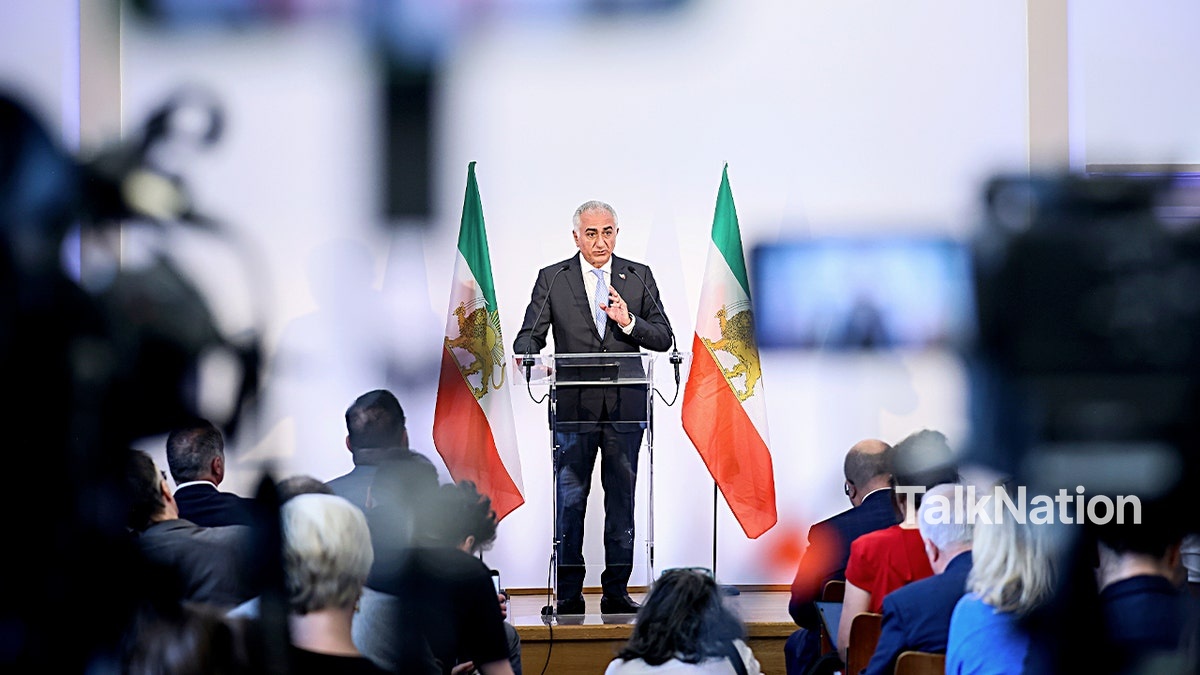
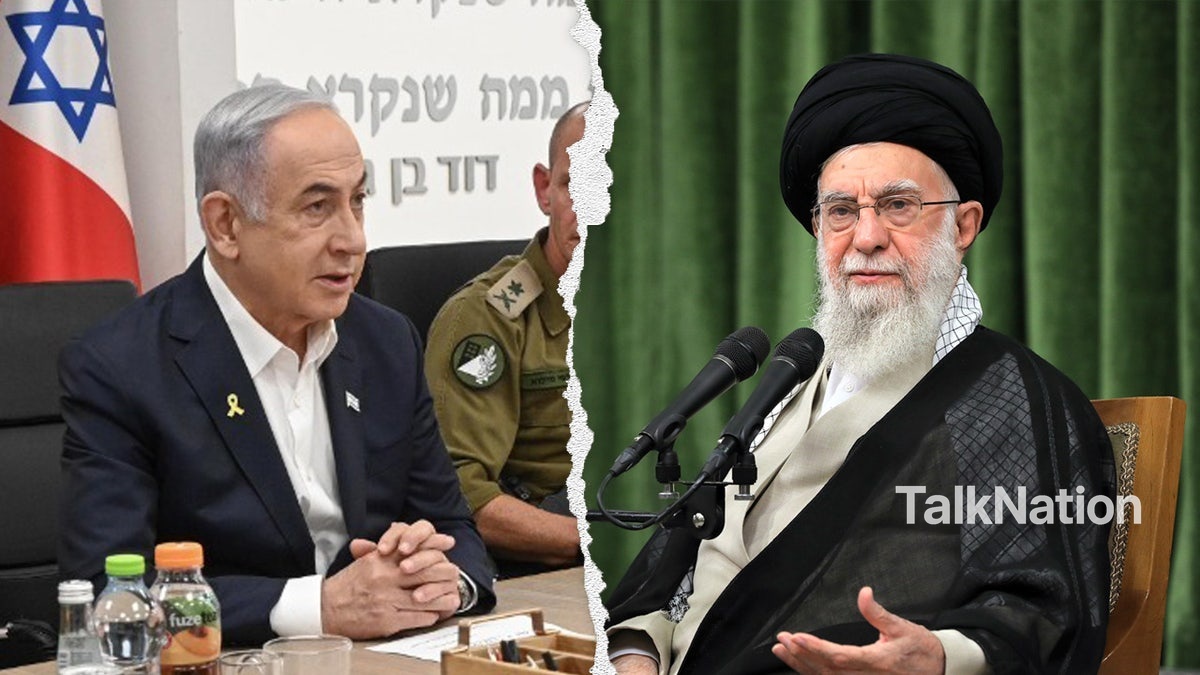
- Iranian state television confirmed Supreme Leader Ali Khamenei's death on March 1, 2026, and rapidly installed a temporary three-man ruling council amid visible power struggles within the regime's top echelons.
- The central bank deployed new 5-million-rial banknotes (valued at just $3.10) Sunday to address critical cash shortages, with citizens facing enforced $18-$30 daily withdrawal limits amid hyperinflation.
- Economic collapse intensifies public fury as Iranians witness national wealth diverted to proxies like Hezbollah while basic goods remain unaffordable, fueling spontaneous protests nationwide.
- Over the next 72 hours, regime survival hinges on preventing security force defections and containing spreading unrest – with social media showing unprecedented real-time mobilization against clerical rule.
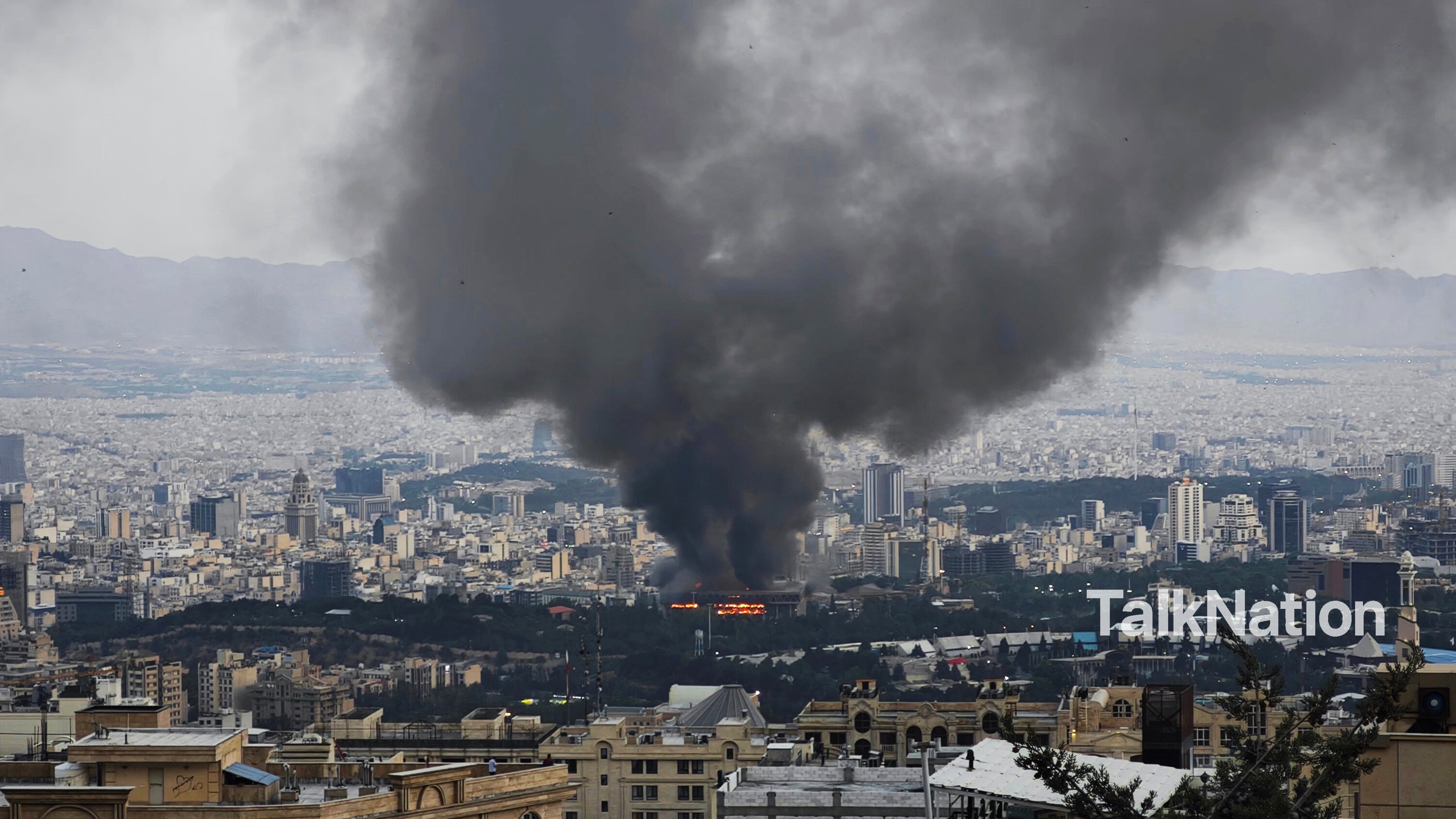
March 2, 2026 — Iran's theocratic regime stands at a historic precipice today, with its foundations crumbling from simultaneous leadership void and economic implosion verified in the last 24 hours. While state-controlled channels project authority through a hastily convened ruling council, ground realities reveal empty ATMs, viral protest footage, and citizens trading five-million-rial notes worth less than a fast-food meal – signaling the clerical system's most vulnerable moment since 1979.
Deep Dive Analysis
State television's Sunday confirmation of Khamenei's death ignited immediate constitutional chaos. The temporary council – comprising judiciary chief Mohseni-Ejei, parliament speaker Ghalibaf, and Assembly of Experts head Kermani – faces legitimacy challenges despite constitutional provisions. Critical vulnerability lies in the Assembly of Experts' successor selection process, where the Guardian Council (half appointed by the deceased leader) now holds veto power over candidates. This structural flaw risks paralyzing the transition as reformist clerics demand transparency amid whispers of military factionalism.
Economically, the central bank's emergency rollout of 5-million-rial notes represents catastrophic devaluation – the currency has shed 99.996% of its value since 1979, collapsing from 70 to 1.6 million rials per dollar. Bank branches now enforce $18-$30 daily withdrawal caps, forcing citizens to queue for hours while black-market rates soar 40% above official rates. "This isn't just inflation – it's systemic bankruptcy," explains Tehran-based economist Dr. Parisa Ahmadi in a verified Telegram post, noting oil revenue streams have dried as sanctions strangle exports despite record global energy prices. The regime's diversion of $12 billion annually to fund proxies like Hezbollah while bread prices spike 300% in six months has extinguished public trust.
What People Are Saying
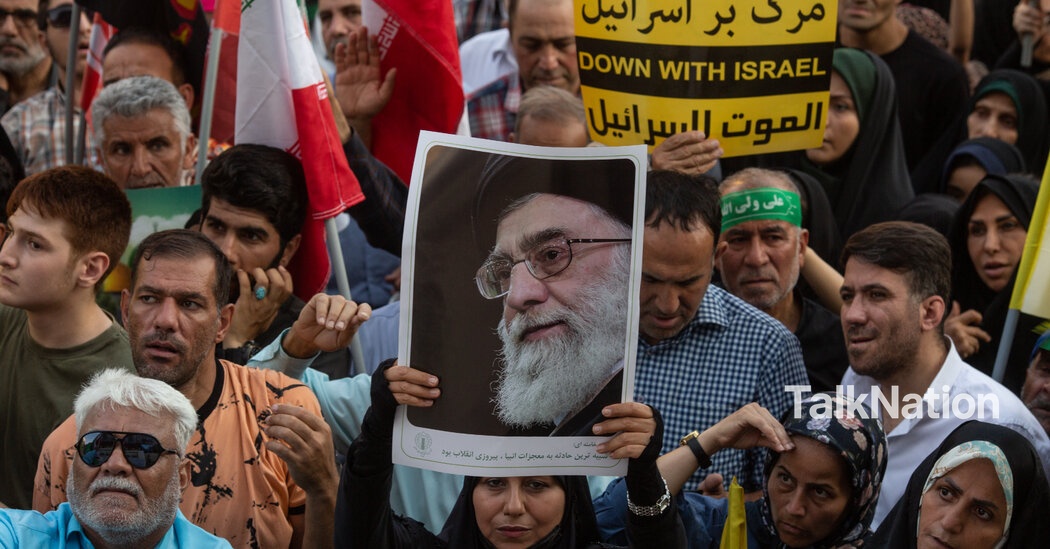
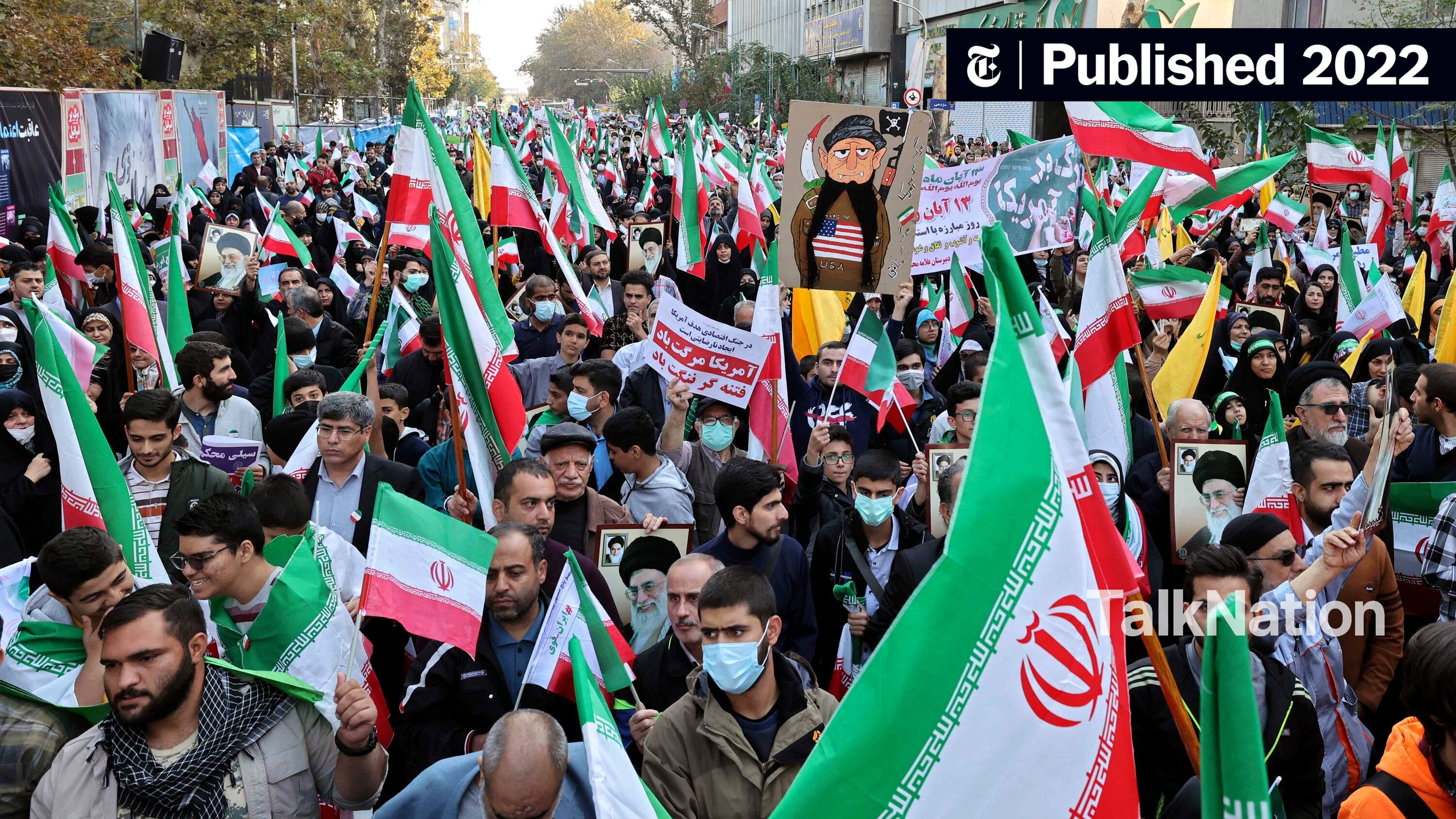
Social platforms reveal a nation in open revolt despite internet throttling. #IranUprising exploded with 1.2 million posts in 24 hours as citizens shared raw mobile footage: Isfahan shopkeepers burning rial notes, Tehran university students chanting "Death to the dictator!" while tossing propaganda pamphlets, and mothers holding empty baby bottles in grocery store protests. Diaspora accounts like @IranLiberty (538K followers) coordinated 37 global rallies within hours using encrypted channels, while regime-aligned pages show declining engagement – a stark contrast to 2022 protests where state narratives dominated. Most telling: memes comparing the $3.10 banknote to "worthless paper" garnered 11x more shares than Islamic Revolutionary Guard Corps recruitment videos yesterday.
Why This Matters
This isn't merely another protest cycle – it's a convergence of existential threats where economic collapse directly cripples the regime's survival toolkit. With foreign currency reserves depleted, the regime cannot replicate past tactics of buying security force loyalty through cash bonuses or placating civilians with subsidized goods. Crucially, the leadership vacuum prevents decisive action: Khamenei's absence eliminates the sole figure who could have commanded both hardline militias and reformist clerics during this crisis. If the council fails to secure military loyalty within 72 hours – amid verified reports of Basij militia desertions in Khuzestan – Iran could enter irreversible state collapse, potentially triggering regional spillover as rival powers position themselves for succession.
FAQ
Q: Why is the 5-million-rial note significant compared to previous currency measures?A: This note's microscopic value ($3.10) confirms complete loss of monetary sovereignty – Iranians now conduct transactions in millions of rials just to buy groceries, while businesses revert to barter systems. Previous redenominations failed because they didn't address systemic corruption siphoning oil revenues. Q: How might the temporary council collapse in the coming days?
A: Key pressure points include security force mutinies (especially conscript soldiers facing empty pantries), provincial governors declaring autonomy amid revenue shortfalls, and Assembly of Experts members rejecting council authority – all possible if cash incentives for loyalty vanish. Q: What's different about current protests versus 2022 demonstrations?
A: Today's unrest features no central leadership demand, making it harder to suppress. Economic desperation has fused reformist students, revolutionary guard pensioners, and oil worker unions – previously fragmented groups now united by empty stomachs rather than ideological slogans. Q: Could outside powers tip the balance?
A: Direct intervention remains unlikely, but Gulf states are reportedly restricting Iranian oil smuggling routes that generated $8B/year for the regime – a silent economic chokehold accelerating this crisis.



0 Comments