
Key Takeaways
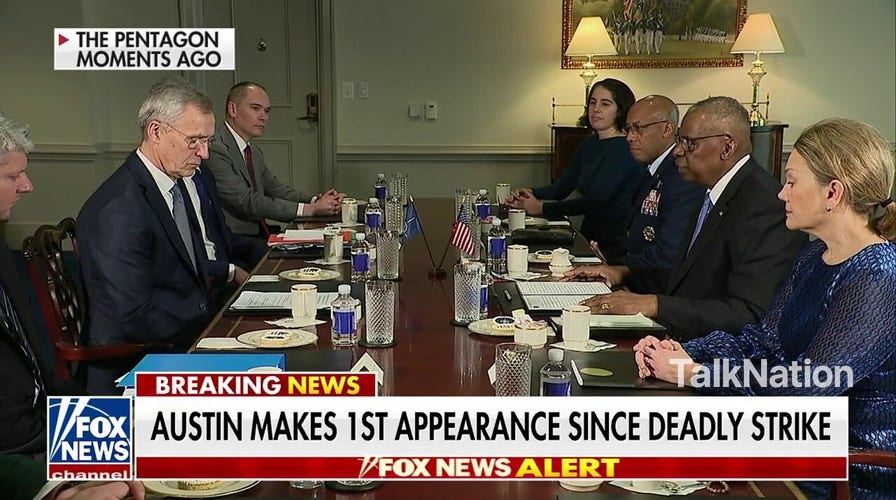
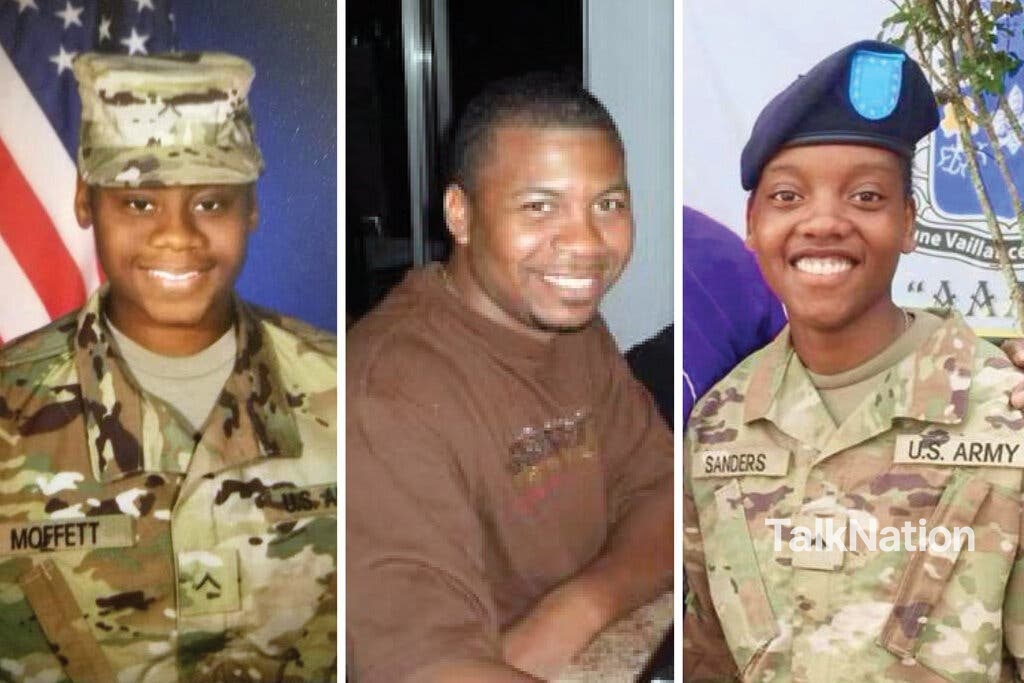
- U.S. Central Command confirmed the first American combat fatalities of Operation Epic Fury, with three service members killed and five seriously wounded during Iranian retaliatory strikes on March 1
- The casualties represent the first U.S. deaths since President Trump authorized joint U.S.-Israeli "major combat operations" targeting Iran's nuclear infrastructure and leadership
- Iran's counterattacks hit multiple U.S. military sites across eight Middle Eastern nations, causing significant damage to infrastructure in Qatar and other Gulf states
- President Trump has vowed to continue strikes "as long as necessary" while claiming the military operation is proceeding "ahead of schedule"
- Social media platforms are trending with #EpicFury and #IranWar, as citizens worldwide debate the implications of escalating Middle East hostilities
March 2, 2026 – In an unprecedented escalation of hostilities, U.S. military officials confirmed yesterday morning that three American service members lost their lives during Iran's retaliatory strikes against U.S. forces across the Middle East. This tragic development marks the first U.S. combat fatalities since the launch of Operation Epic Fury, the joint U.S.-Israeli military campaign targeting Iran's nuclear capabilities and leadership structure. The announcement from U.S. Central Command (CENTCOM) at 9:30 a.m. ET on March 1 came as Iran intensified its counterattacks following the successful U.S.-Israeli strikes that reportedly eliminated Supreme Leader Ayatollah Ali Khamenei and dozens of high-ranking Iranian officials.
Deep Dive Analysis
The confirmed deaths occurred during a wave of Iranian ballistic missile and drone attacks that targeted American military installations across eight countries in the region. While CENTCOM has not disclosed the precise location of the fatal incident, preliminary reports suggest the casualties happened during an attack on a U.S. facility in Kuwait, where Iranian Revolutionary Guard forces reportedly launched one of their most intensive barrages. Several other personnel sustained minor shrapnel injuries and concussions, with officials indicating these individuals are expected to return to duty shortly as "major combat operations continue and our response effort is ongoing."
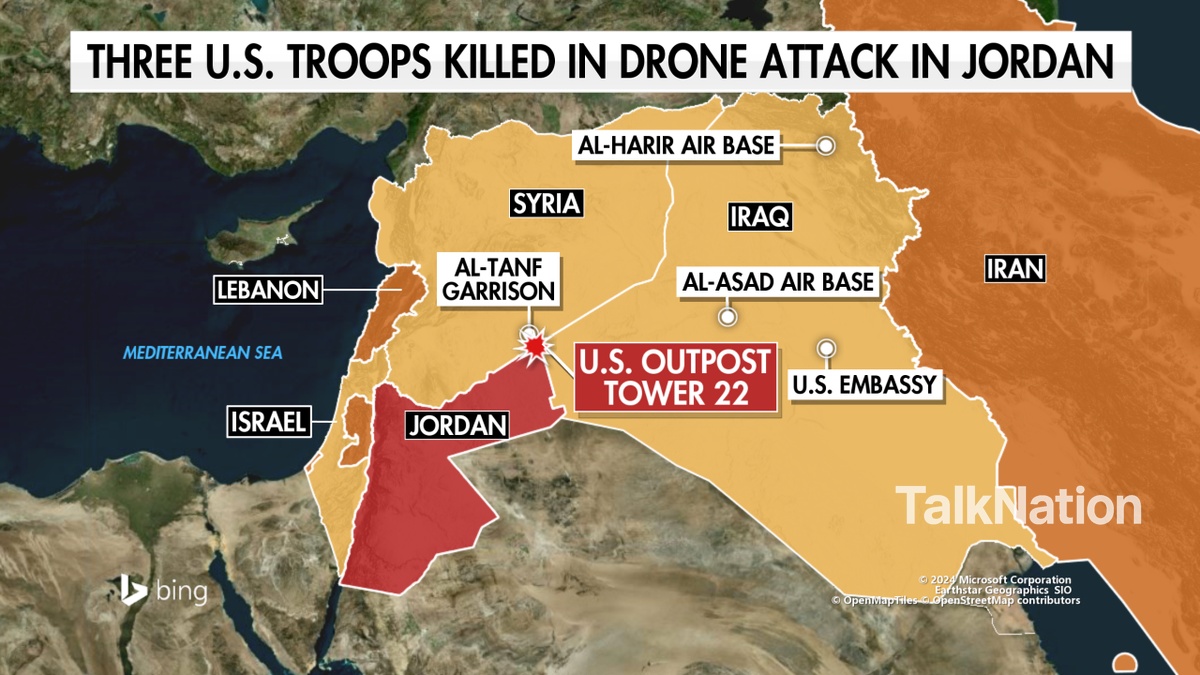
The timing of these casualties comes amid unprecedented military activity across the Middle East. Following the successful elimination of Iran's Supreme Leader on Saturday, U.S. and Israeli forces have conducted continuous strikes across 24 of Iran's 31 provinces, targeting missile silos, command centers, and nuclear facilities. In response, Iran has deployed what it describes as its "most intense offensive operation" in history, launching hundreds of missiles and drones at American bases in Bahrain, Iraq, Jordan, Kuwait, Oman, Qatar, Saudi Arabia, and the United Arab Emirates. A sophisticated U.S.-Israeli air defense network has intercepted most incoming threats, though several caused significant infrastructure damage, including to a billion-dollar radar installation in Qatar.
What makes this development particularly concerning is the operational tempo. Military analysts note that Operation Epic Fury represents the most coordinated U.S.-Israeli military action in history, with real-time intelligence sharing enabling precision strikes that eliminated Iran's entire leadership succession structure. The elimination of Khamenei alongside his daughter, grandchild, and key military commanders has created an unprecedented vacuum in Iran's governance, with only a temporary three-person council now managing the nation's affairs. This strategic decapitation, while operationally successful, has triggered a highly unpredictable phase in the conflict as Iran's military apparatus continues functioning despite leadership losses.
What People Are Saying
Social media platforms are ablaze with conflicting perspectives on these developing events. Twitter/X has seen viral posts showing Iranian citizens in Tehran's Enghelab Square celebrating Khamenei's death with fireworks and chants of "freedom," while simultaneously, other videos showcase massive mourning processions with thousands dressed in black. The hashtag #IranWar has surpassed 2 million engagements in the past 24 hours, with military analysts, veterans, and ordinary citizens debating whether this operation represents a necessary strategic move or an unnecessary escalation. On Truth Social, President Trump has maintained his combative stance, posting: "We hit them with a force that has never been seen before and will continue to do so until Iran is completely neutralized as a nuclear threat."
Domestically, political divisions are stark. Senator Andy Kim (D-NJ) condemned the operation, stating, "This tragic loss of American lives was entirely preventable and represents the catastrophic consequences of reckless warmongering." Conversely, Senator Tom Cotton (R-AR) defended the mission, arguing these sacrifices "pave the way for a Middle East finally free from Iranian terror sponsorship." International reactions vary significantly, with Israel's opposition leader Yair Lapid expressing condolences for the fallen soldiers while European leaders express growing concern about the potential for regional conflagration. The UN Security Council has convened emergency sessions, though meaningful consensus remains elusive as geopolitical alliances fracture along new lines.
Why This Matters
This moment represents a critical inflection point in Middle Eastern geopolitics. The confirmed deaths of U.S. service members transform what began as a surgical strike operation into an active war with potentially generational consequences. Historically, American combat fatalities have consistently altered public perception and political calculus around military engagements, and this scenario appears no different. What distinguishes this conflict from previous Middle Eastern engagements is the unprecedented coordination between U.S. and Israeli forces, the targeting of an entire leadership structure rather than isolated facilities, and the immediate, massive scale of Iranian retaliation.
Military experts warn that the absence of Iran's spiritual leadership creates dangerous uncertainty. Unlike conventional nation-states, Iran's governance depends on religious authority that cannot be instantly replaced. While the temporary leadership council maintains operational control, questions about long-term stability could either lead to internal power struggles that weaken Iran's regional influence or trigger even more desperate retaliatory actions from isolated military commanders. For Americans, these casualties underscore the tangible risks of what President Trump initially characterized as a "quick and painless" operation. As Congress prepares to debate war powers resolutions this week, the political landscape has shifted dramatically with the reality of American lives lost in combat.
FAQ
Q: Where exactly were the American soldiers killed?A: U.S. Central Command has not disclosed the specific location, stating only that the casualties occurred during Iranian retaliatory strikes against American forces across the Middle East. The announcement emphasized that further details would be withheld for 24 hours after next of kin notification as per standard protocol. Q: What is Operation Epic Fury targeting specifically?
A: The joint U.S.-Israeli operation is targeting Iran's nuclear infrastructure, missile capabilities, command and control centers, and key leadership figures. Military officials describe it as a comprehensive effort to eliminate Iran's capacity to develop nuclear weapons and threaten regional stability. Q: How has Iran responded to the U.S. and Israeli strikes?
A: Iran has launched coordinated missile and drone attacks against U.S. military sites across eight Middle Eastern countries, claiming to have targeted 27 bases. Iranian state media has vowed "unforgettable lessons" for American and Israeli forces, with Revolutionary Guard commanders promising continued offensive operations. Q: What happens to Iran's government now that Khamenei is dead?
A: Iran has established a temporary three-person leadership council to maintain governance until the 88-member Assembly of Experts can convene and select a permanent successor. This transition period represents significant uncertainty, as Khamenei held ultimate authority over all branches of Iran's government and military for decades. Q: How is the U.S. military preparing for further Iranian retaliation?
A: The Pentagon has deployed additional air defense assets across the region, including Aegis-equipped destroyers in the Persian Gulf and enhanced Patriot missile batteries at key installations. Senior officials indicate they expect Iran to continue retaliatory strikes throughout the week as part of what Tehran has termed its "most intense offensive operation" in history.
📚 Verified Sources
- Three American troops killed as Trump fuels WW3 fears with attacks on Iran
- US CENTCOM confirms first American troop deaths in Operation Epic Fury
- Three American soldiers killed as U.S.-Israeli strikes in Iran continue into 2nd...
- US-Israel attacks on Iran: Death toll and injuries live tracker
- Three US troops killed & five injured in 'Epic Fury' Iran operation
- 3 soldiers killed, 5 seriously wounded in 'Operation Epic Fury'
- 3 U.S. troops killed in Iran war as Trump says operation is "ahead of schedule"
- Iran’s supreme leader has been killed during major attack by US and Israel, Trum...



0 Comments