
Key Takeaways
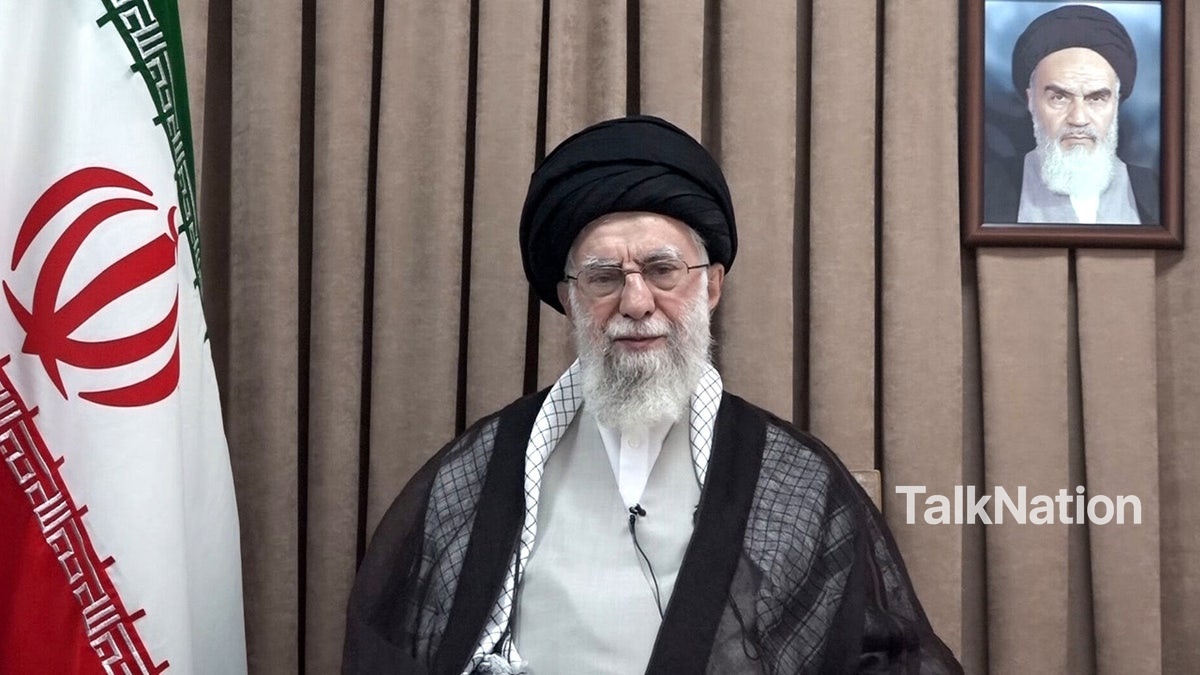
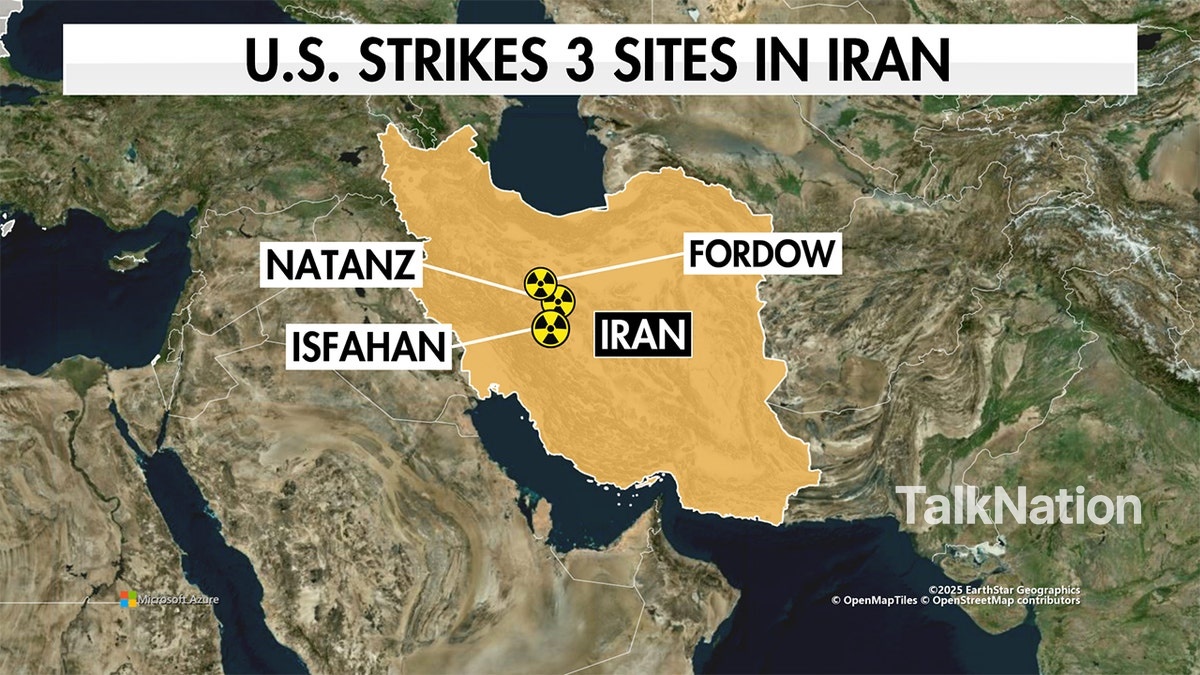
- U.S.-Israeli coalition strikes intensified across Tehran and regional hubs overnight (March 1-2), targeting military infrastructure amid Iran's leadership vacuum following Khamenei's death
- Iran's provisional three-member council—led by President Pezeshkian and Judiciary Chief Mohseni-Ejei—vows constitutional continuity as Assembly of Experts fast-tracks supreme leader selection
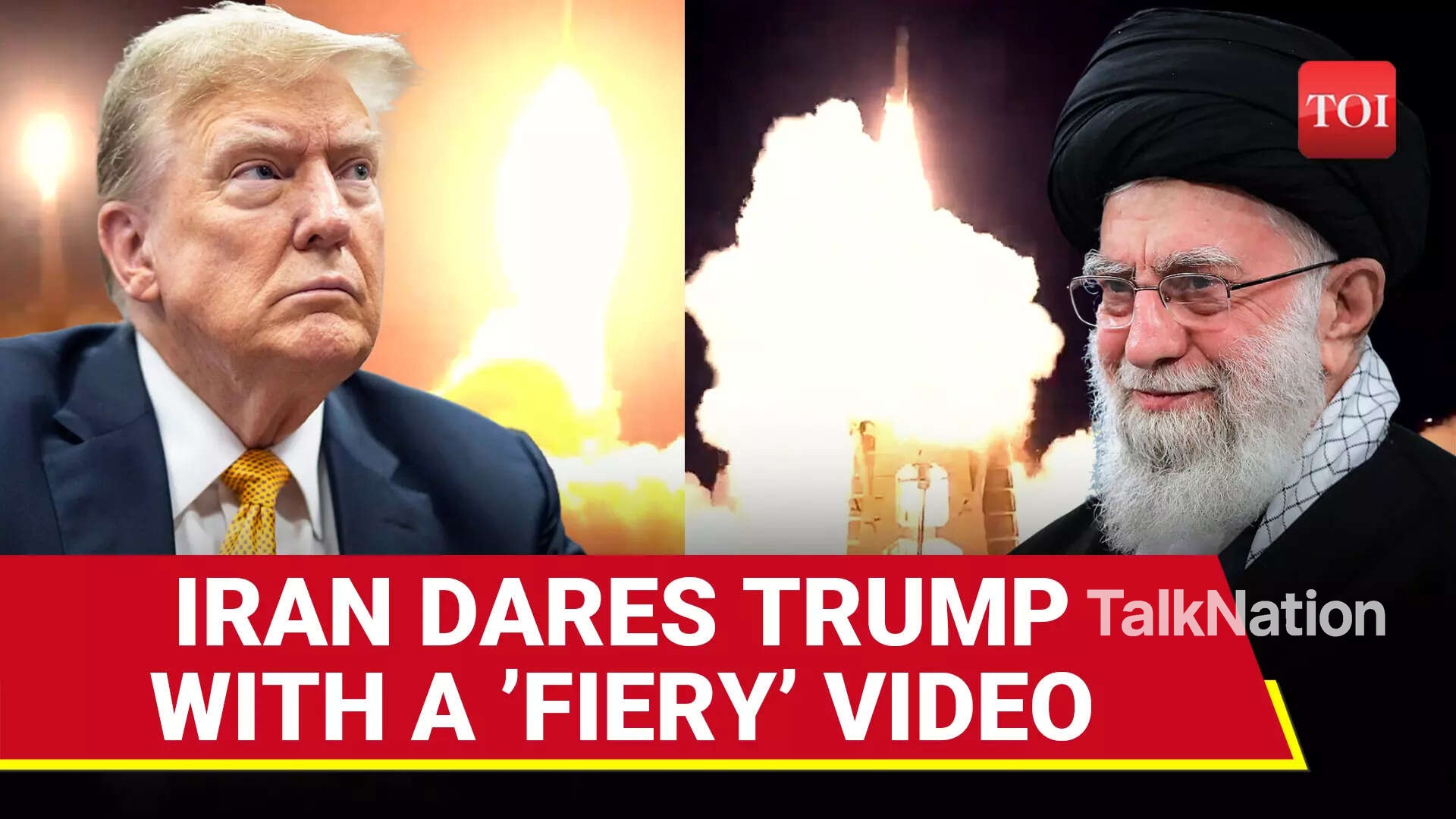
- Revolutionary Guard Corps launches retaliatory barrages against U.S. bases in Iraq and Israel's Negev region while authorities enforce total internet blackout
- Social media shows unprecedented public anxiety as #TehranUnderFire trends globally with citizen-shot videos contradicting state media's "operational normalcy" claims
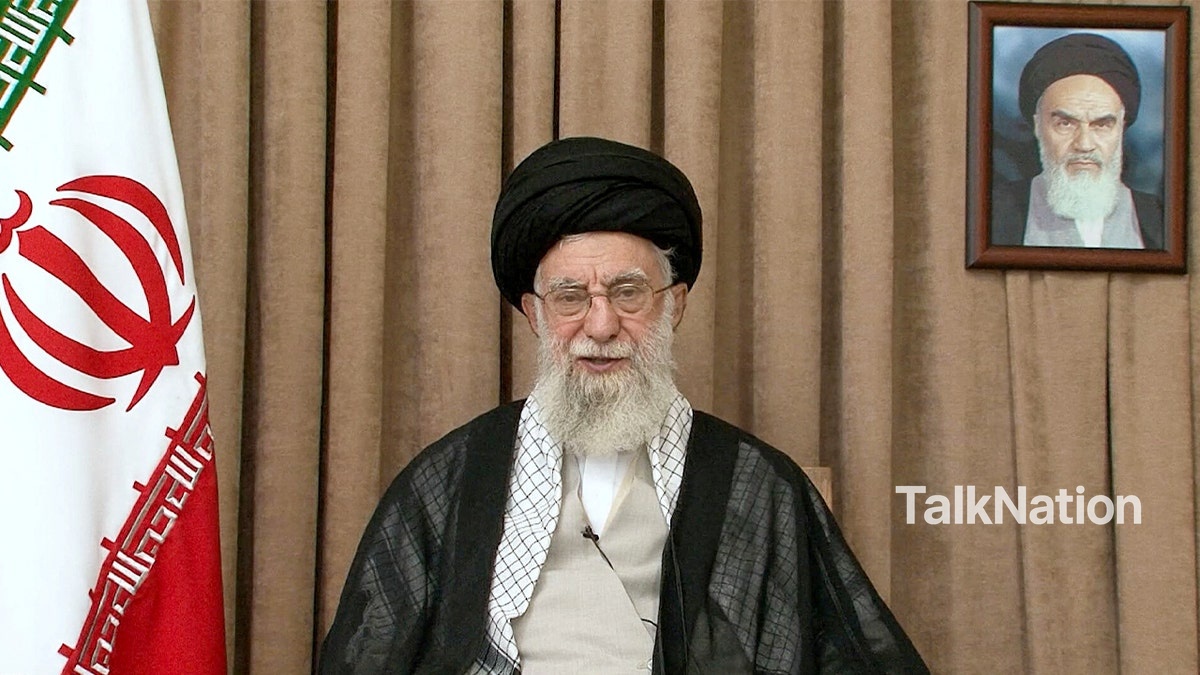
March 2, 2026—the roar of explosions still echoes through Tehran's skyline as fresh U.S.-Israeli missile barrages strike multiple districts for the 48th consecutive hour, intensifying pressure on Iran's fractured leadership in the immediate aftermath of Ayatollah Khamenei's death. Authorities now face dual crises: managing a lightning-fast succession process while countering unprecedented public fear amplified by near-total internet shutdowns—a stark deviation from past crisis protocols.
Deep Dive Analysis
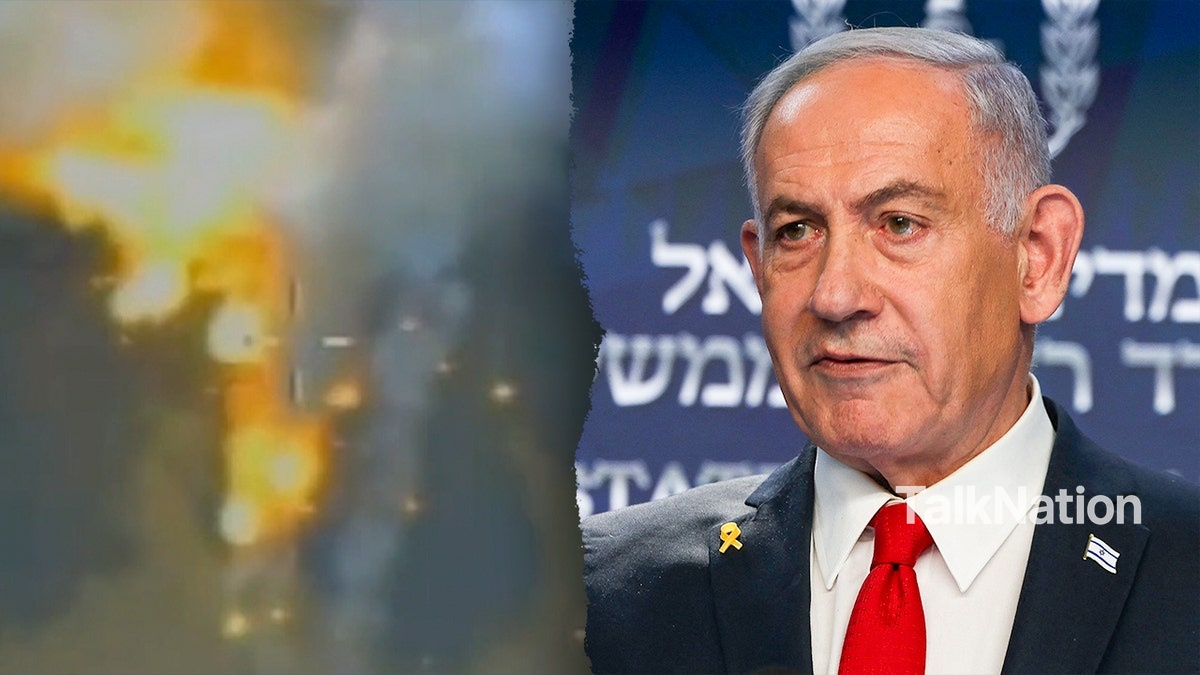
Coalition airstrikes escalated dramatically overnight with precision weapons hitting Revolutionary Guard facilities near Imam Khomeini Airport and suspected missile production sites in Shahr-e-Rey. Defense Department sources confirm the operation—codenamed "Solemn Transition"—specifically targets command nodes to disrupt retaliation capabilities during Iran's vulnerable interim period. Israeli Air Force footage shows F-35s executing complex maneuvers above Persian Gulf waters, signaling sustained joint operational capacity despite Tehran's claims of downed drones.
Within Iran's power structure, President Pezeshkian's unprecedented Sunday night address urged citizens to "gather at sacred sites as acts of defiance," deliberately invoking Khomeini-era mobilization tactics. Yet intelligence leaks reveal fractures: the Assembly of Experts has accelerated its timeline to 72 hours for selecting Khamenei's successor, though three conservative clerics reportedly withdrew due to security concerns. Crucially, the Guard Corps' vow of "asymmetric vengeance" triggered pre-dawn launches toward U.S. Al-Asad base—verified by CENTCOM as intercepted by Patriot systems before impact.
Technologically, Iran's near-complete network blackout exceeds previous conflict scenarios, with NetBlocks noting under 8% connectivity as of 5 AM local time. This appears designed to suppress footage of residential damage contradicting state TV's portrayal of strikes as "limited to military zones"—evidence debunked by geolocated videos showing collapsed apartment blocks in Ekbatan district.
What People Are Saying
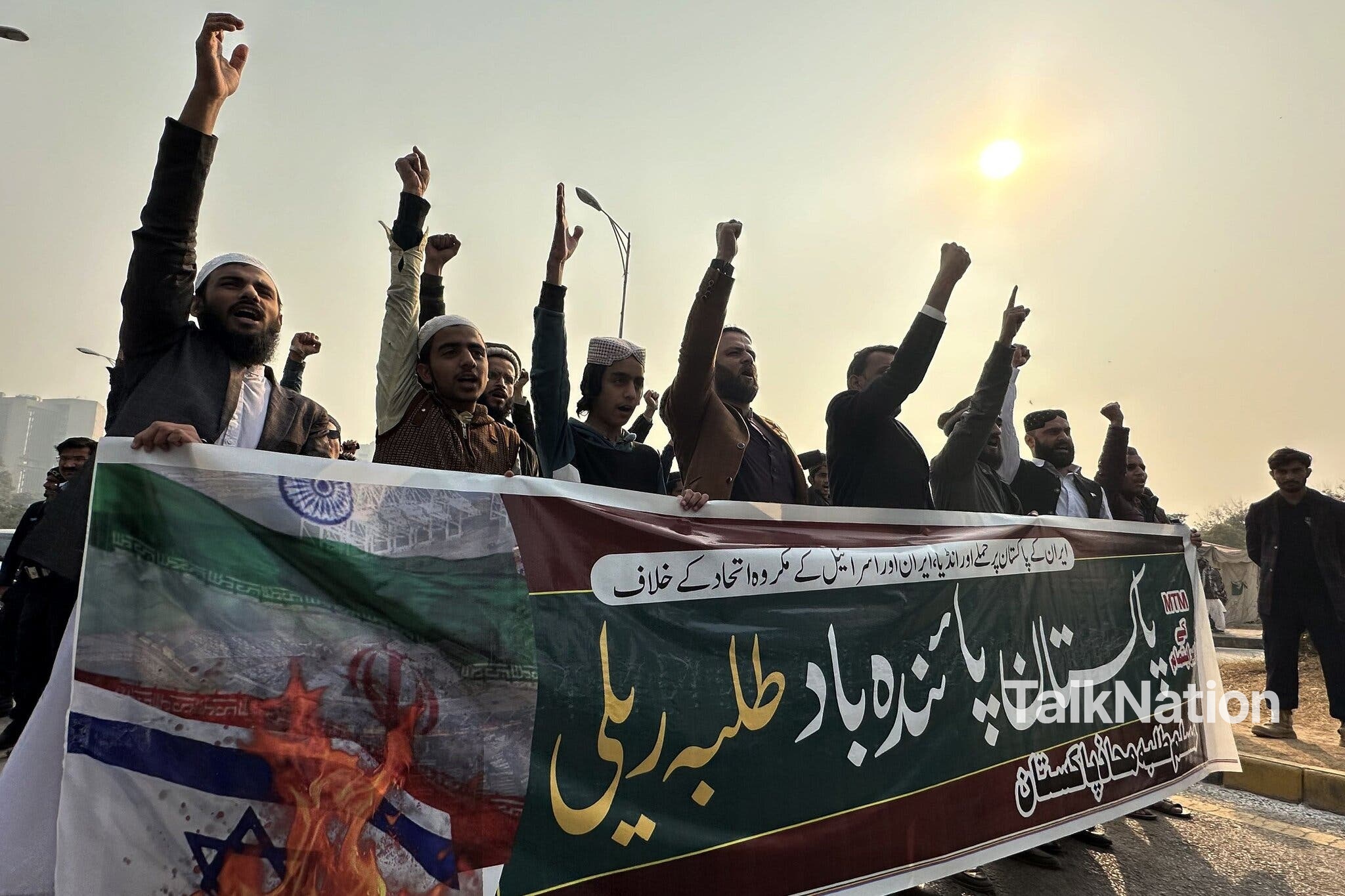
Social sentiment reveals dangerous fissures: On X, #OperationNightRain (a Guard Corps retweet campaign) clashes with #IraniansCantBreathe as verified accounts share infrared drone footage of fires near children's hospitals. Notably, even pro-regime influencers like @TehranPatriot (1.2M followers) deleted posts claiming "no civilian zones impacted" after users cross-referenced strike times with power grid failure maps. Meanwhile, encrypted Telegram channels buzz with reports of evacuation convoys from affluent north Tehran neighborhoods—a detail entirely absent from state media. International reaction centers on UN Secretary-General Guterres' emergency call for "24-hour ceasefire corridors," met with silence from both sides.
Why This Matters
This isn't merely about succession—it's a stress test for global stability. The speed of Iran's power transfer (potentially within days) creates dangerous ambiguity for adversaries; without clear authority, miscalculation risks escalate exponentially. Every hour of internet blackout deepens humanitarian hazards while enabling disinformation. Crucially, the Guard Corps' active combat role—ordering troops to "engage all foreign elements"—threatens regional spillover, especially with Iraqi militia factions now mobilizing. How this interim council navigates the next 72 hours could determine whether the conflict remains contained or triggers multi-front warfare.
FAQ
Q: How is Iran governing without Khamenei during active warfare?A: A three-person interim council—President Pezeshkian, Judiciary Chief Mohseni-Ejei, and Expediency Discernment Council head—holds executive authority per constitutional Article 111. However, the Revolutionary Guard increasingly operates autonomously, raising concerns about fractured command. Q: Why are internet restrictions more severe than during past attacks?
A: Unlike the 2019 strikes, authorities now face viral citizen documentation bypassing state narratives. The complete throttle appears aimed at preventing real-time coordination of protests amid economic collapse fears and military strikes. Q: What triggers the new supreme leader's authority?
A: The Assembly of Experts must unanimously endorse a candidate, traditionally requiring 3-7 days minimum. With accelerated deliberations underway, the Guard Corps' public deference to this process suggests pressure to avoid power struggles during hostilities.



0 Comments