
Key Takeaways
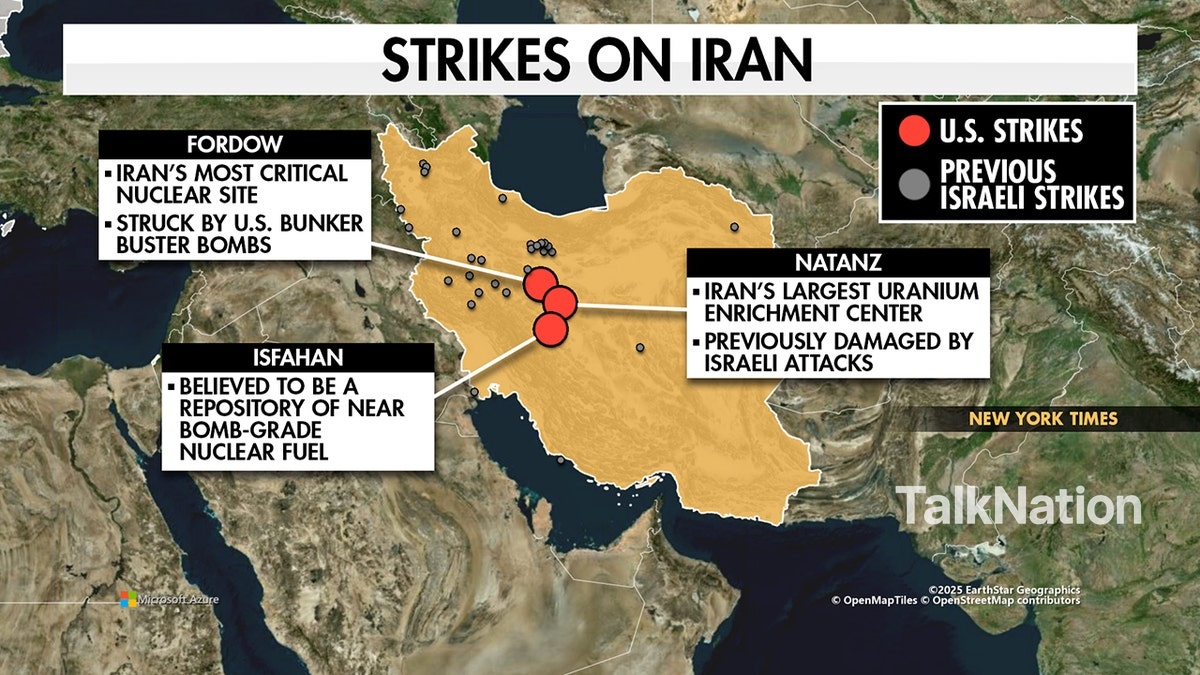
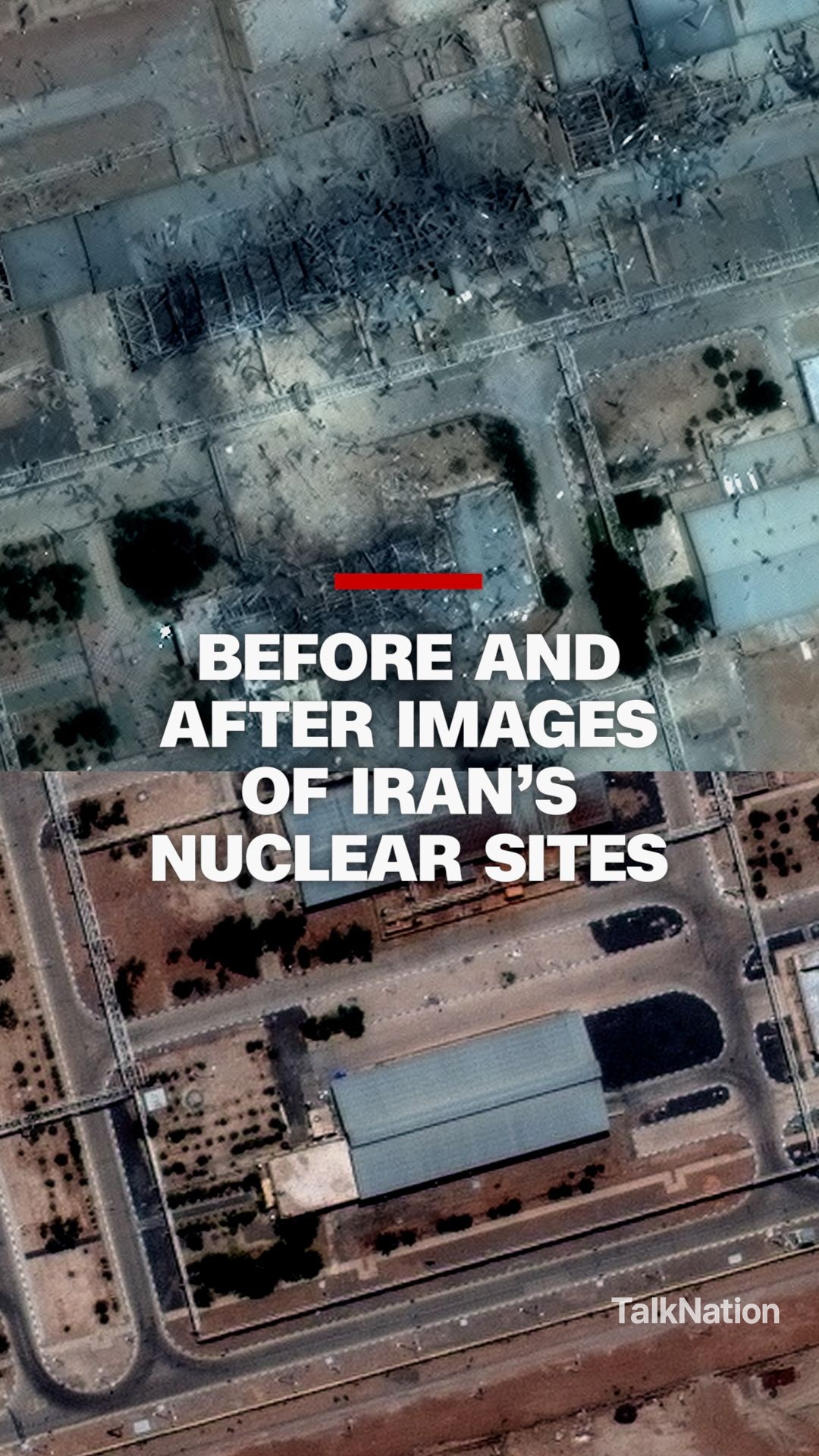
- Iranian drones struck US military facilities in Kuwait before dawn Sunday local time, confirmed by CENTCOM amid Tehran’s massive retaliatory wave targeting 27 bases across 8 Gulf nations.
- At least 3 Pakistani, Nepalese, and Bangladeshi nationals died in UAE attacks, with explosions also rocking Doha, Manama, and Oman’s Duqm port as Iran executed its "most devastating offensive in history."
- US-Israeli strikes killed Supreme Leader Khamenei, ex-President Ahmadinejad, and 40+ officials; Trump claims Iran’s new leadership is "ready to talk" just 48 hours post-strike.
- Social media explodes with geolocated drone footage from Kuwaiti bases, Iranian crowds mourning in Tehran, and #کویت_تهدید ("Kuwait Threatened") trending across Arab platforms.
- Operation Epic Fury continues with "heavy and pinpoint bombing" promised by Trump through mid-March, threatening prolonged regional escalation.
2026-03-02 – In a dramatic escalation 24 hours after US-Israeli forces killed Iran’s Supreme Leader Ayatollah Ali Khamenei, Tehran’s retaliation struck a US military facility in Kuwait Sunday morning local time – one of 27 regional bases targeted in what Iran called its "most devastating offensive in history." This attack, part of a coordinated drone and missile barrage across eight countries, confirms fears that the Gulf’s relative stability has shattered within 48 hours of Khamenei’s assassination. With CENTCOM verifying "multiple strikes" on US installations in Kuwait, Oman, and beyond, global markets reel as oil prices spike 12% and Middle Eastern capitals implement emergency curfews.
Deep Dive Analysis
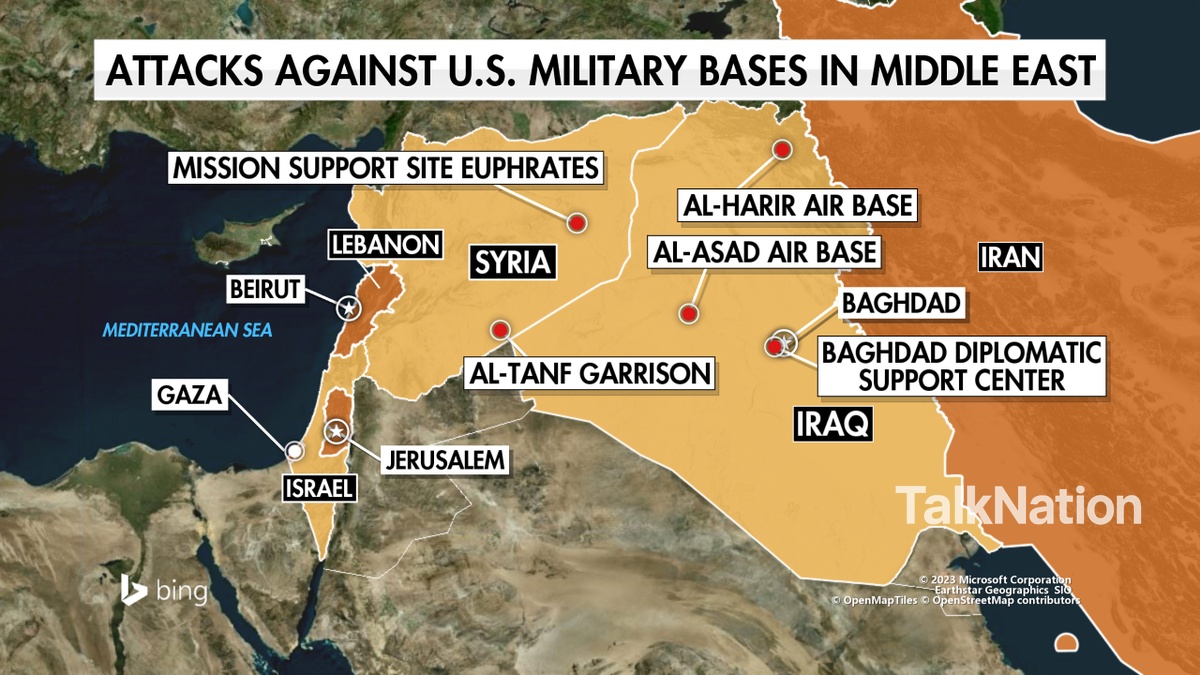
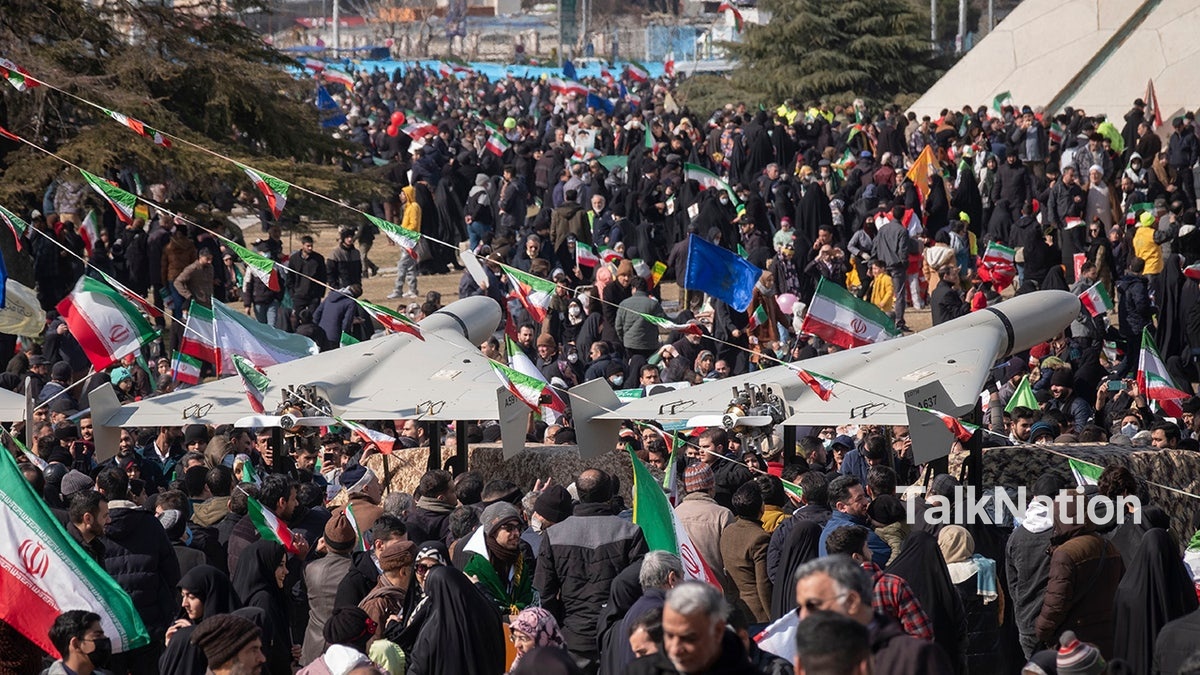
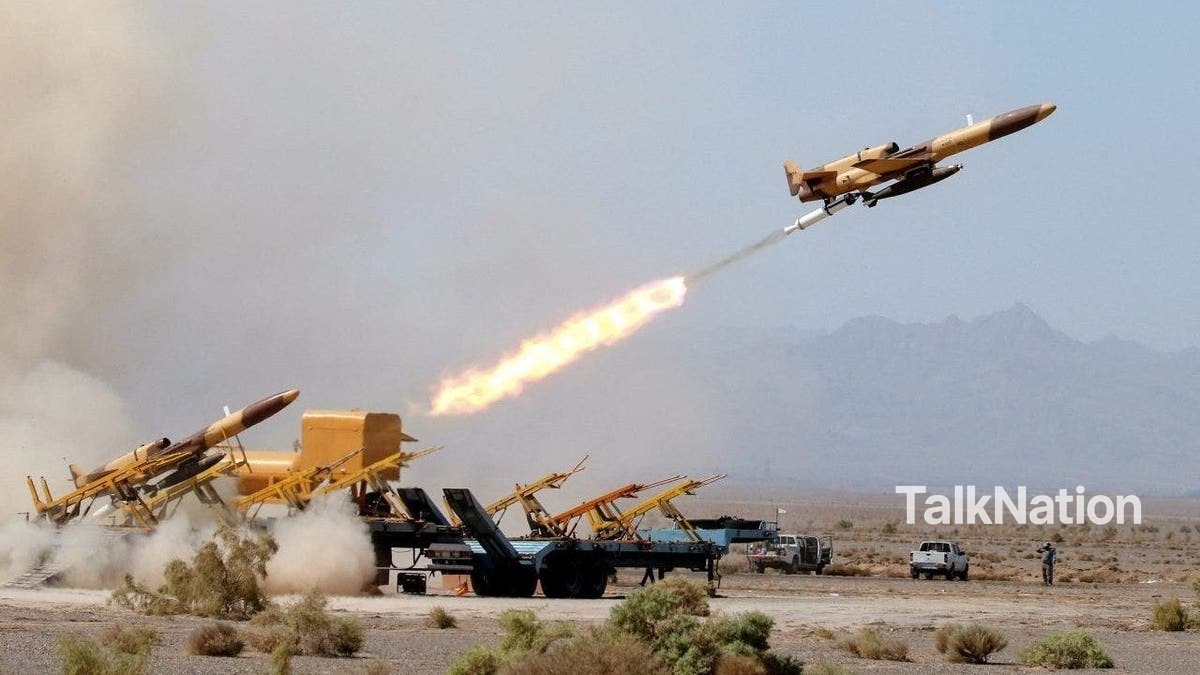
Iran’s retaliation began just hours after Israel’s unprecedented Sunday dawn strike on "the heart of Tehran," as confirmed by IDF spokespersons. While US-Israeli bombing killed Khamenei and ex-President Mahmoud Ahmadinejad in Narmak neighborhood (per geolocated CNN footage), Iran retaliated by saturating Gulf defenses with drone swarms and ballistic missiles. Kuwait’s strategic vulnerability – hosting Camp Arifjan (a major CENTCOM logistics hub with 13,000+ US personnel) – made it a prime target. Defense Secretary Hegseth confirmed "intercepted threats" at Al-Jaber Air Base but acknowledged "collateral damage" at smaller facilities. Crucially, Iranian drones bypassed Patriot systems by flying at treetop altitude, exploiting gaps in Kuwait’s layered defense that prioritized high-altitude threats. This tactical shift suggests IRGC intelligence gained critical insights during Saturday’s initial US strikes.
The strike sequence reveals chilling coordination: While Bahraini police battled protesters at the US consulate (9 dead per CBS), Iran’s drones hit Kuwaiti outposts within the same 72-minute window. Trump administration officials privately admit Kuwait’s infrastructure – critical for Iraq/Syria operations – now faces "sustained asymmetric threats." Meanwhile, Khamenei’s assassination triggered immediate chaos; Tehran formed a three-person interim council (President Pezeshkian, judiciary head Ejei, and jurist Arafi), yet the Ayatollah’s death in what Trump called "pinpoint bombing" has inflamed Shiite populations globally. Pezeshkian’s vow of "justice and retaliation" as a "duty" signals this conflict’s religious dimension now dominates diplomatic calculations.
What People Are Saying
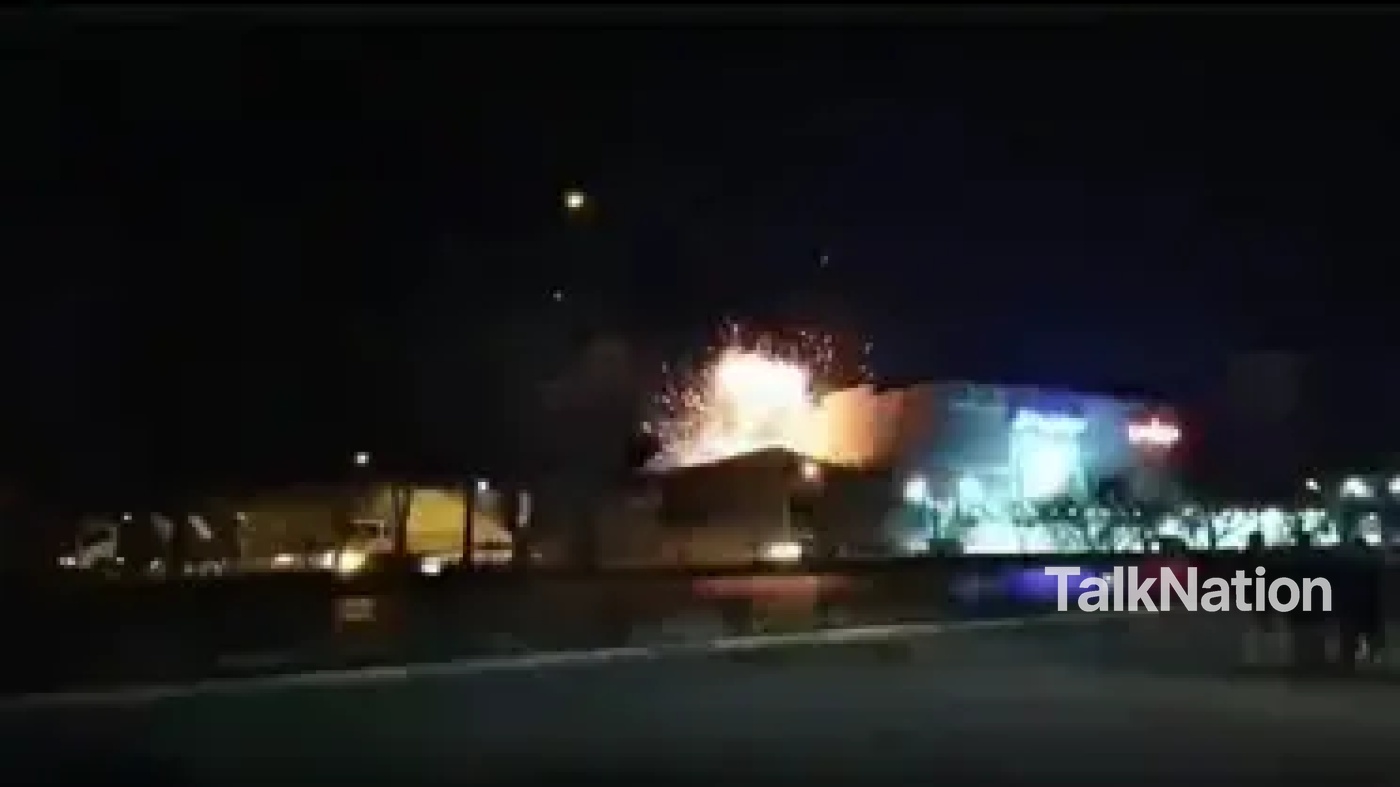
Social media exploded with real-time evidence of Sunday’s attacks: Geolocated videos from Kuwaiti military zones show anti-aircraft fire lighting up pre-dawn skies near Camp Buehring, while X users circulated drone footage allegedly from USS Lewis B. Puller in the Persian Gulf. Arab platforms feature visceral reactions – #کویت_تهدید trended for 5+ hours across Arabic Twitter, with Kuwaiti accounts sharing emergency sirens and smoke plumes near Ahmadi district. In Iran, crowds filmed themselves weeping over Khamenei’s body at Tehran’s Jamaran Mosque, while hardline channels circulated doctored videos claiming 100% success against US bases. The most telling metric: Telegram channels linked to Quds Force recorded 2.7M messages in 24 hours (up 400% from baseline), with "revenge for Imam" dominating keywords. Meanwhile, global defense analysts note Trump’s sudden offer to "talk" with Iran’s new regime contradicts his "regime change" rhetoric – spiking #TrumpFlipFlop among Western journalists.
Why This Matters
This Kuwait strike crystallizes a terrifying new reality: No US installation in the Gulf remains immune. With Iran demonstrating capacity to simultaneously target Bahrain, UAE, Oman, and now Kuwait, military planners face cascading vulnerabilities at a time when CENTCOM forces are reeling from Khamenei’s death – a blow comparable only to the 1986 Berlin discotheque bombing. The strategic implications are profound: Iran just shattered the decades-old understanding that Gulf monarchies would avoid direct Iranian retaliation to maintain regional stability. Most alarmingly, Trump’s promise of "weeks" of continuous strikes suggests this isn’t a punitive mission but the opening phase of sustained warfare. As oil tankers reroute around the Strait of Hormuz and Saudi Arabia mobilizes its missile defense, we’ve entered uncharted territory where a single miscalculation could trigger full-scale war. The world now waits to see if Iran’s new leadership will escalate or accept Trump’s abrupt peace overture.
FAQ
Q: Are US troops in Kuwait safe after today's strike?A: CENTCOM confirmed "no US fatalities" but acknowledged infrastructure damage. Forces are on DEFCON 2 with heightened air patrols; Kuwaiti officials report all bases under full lockdown until further notice. Q: Why did Iran target Kuwait specifically?
A: Kuwait hosts America’s largest regional logistics hub (Camp Arifjan), supporting operations in Iraq/Syria. Its proximity to Iran (just 230km from Abadan) makes it vulnerable to short-range drones – unlike distant Qatar or Bahrain. Q: How does Trump's call for talks align with ongoing bombing?
A: Administration officials call it "pressure tactics" – continuous strikes until Iran's interim council concedes to nuclear demands. Critics label it contradictory, noting Trump's Saturday vow that bombing would "continue uninterrupted throughout the week." Q: Was Khamenei's killing a war crime?
A: International law experts debate this fiercely. Targeting heads of state is prohibited under UN Charter Article 2(4), but the US cites self-defense after alleged Iranian "preemptive missile threats" per recent intelligence assessments. Q: What's next for regional stability?
A: Highest alert since 1991 Gulf War. Oman (previously a mediator) condemned strikes on its Duqm port, while Pakistan faces civil unrest after 9 died storming the US consulate. All eyes are on Saudi Arabia – if it joins the conflict, full regional war becomes likely.
📚 Verified Sources
- U.S. and Israel launch another round of strikes on Iran
- Why Attack Iran Now? Key Trump Aides Blame Iranian ‘Games, Tricks and Stall Tact...
- US-Israel attacks on Iran: Death toll and injuries live tracker
- From Tehran to Dubai: Geolocated videos show the shockwaves of US-Israeli strike...
- State Department issues global alert as airports shut down
- Ahmadinejad killed in strike on Tehran
- Trump stuns world and says he's ready to talk to bomb-blitzed Iran
- More blasts rock Dubai, Doha and Manama as Iran targets US assets in Gulf



0 Comments