
Key Takeaways
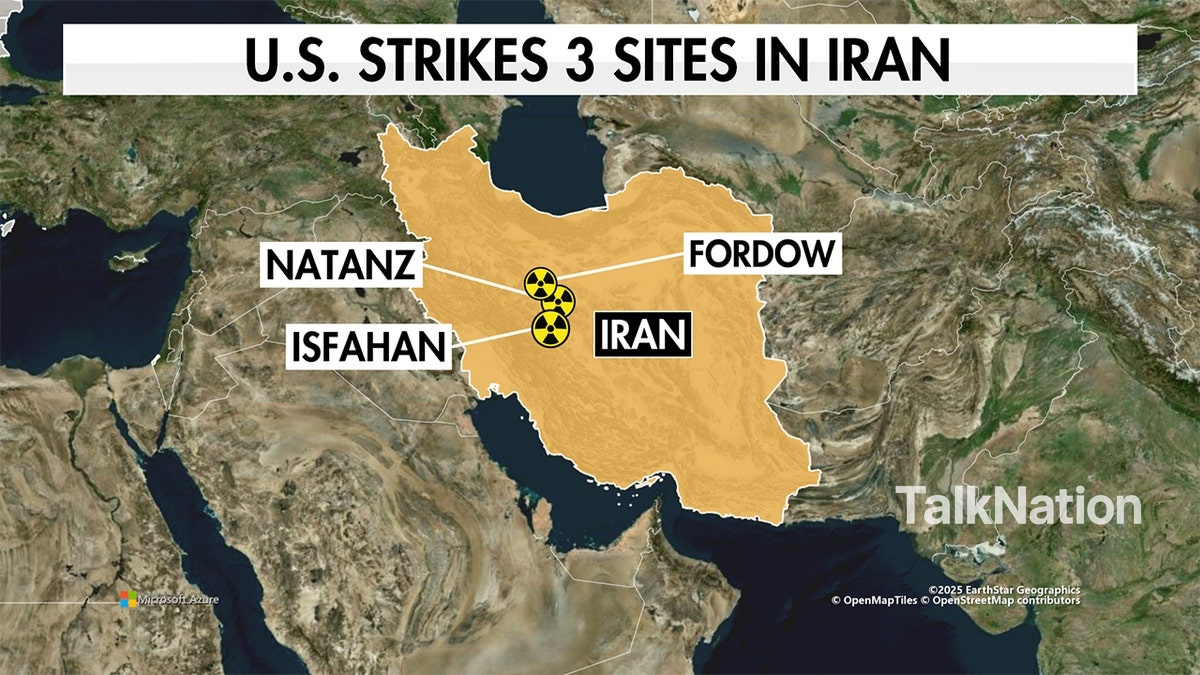
- As of March 2, 2026, US-Israeli coalition forces executed 17 fresh precision strikes across Tehran, Mashhad, and Isfahan overnight, targeting military infrastructure despite heavy residential damage reported in northern Tehran neighborhoods
- Iran's interim ruling council—now fully constituted with the announcement of security chief Ali Akbar Ahmadian—issued coordinated public statements vowing "decisive retaliation" while confirming the Assembly of Experts will convene secret sessions starting tonight to select Khamenei's successor
- Internet shutdowns entered their third consecutive day with near-total blackout severity, yet encrypted apps revealed verified footage of missile plumes over Valiasr Square and emergency mosque gatherings amid IRGC's mobilization orders
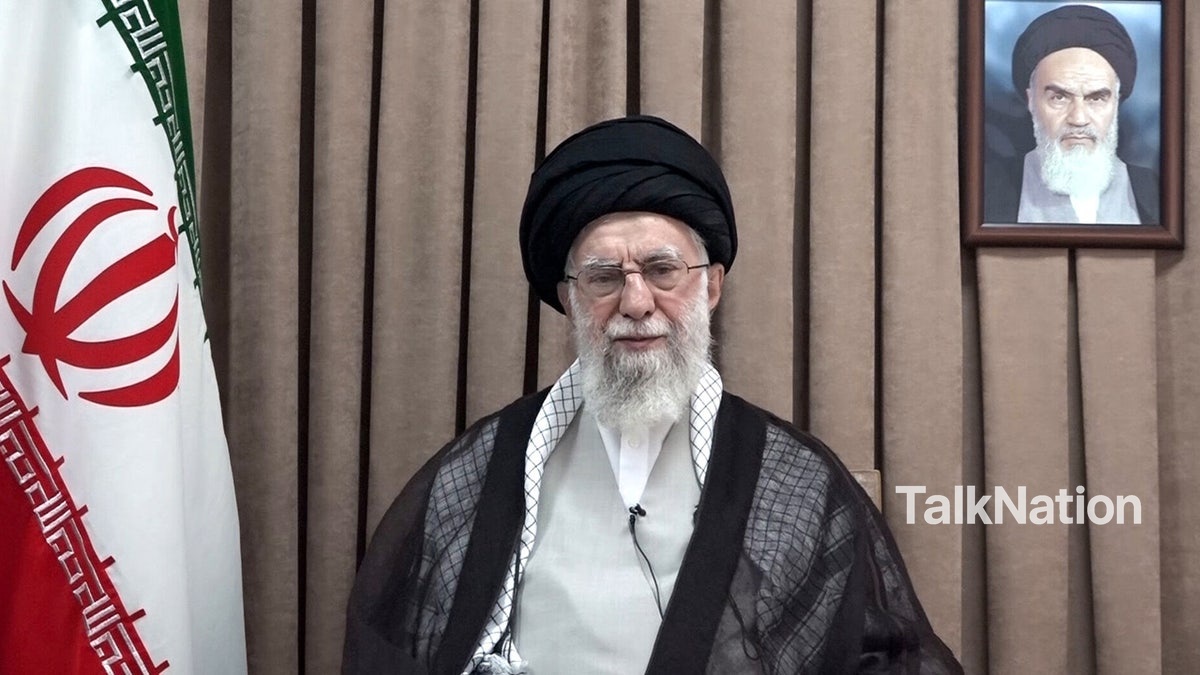
- Global diplomatic channels confirmed emergency UN Security Council talks scheduled for 15:00 GMT today as President Pezeshkian's video address demanded "martyrdom-ready" civilian participation in defense operations
- Oil prices surged 14% overnight to $132/bbl while Tel Aviv stock exchange halted trading following Hamas' pledge of "all-out regional escalation" in solidarity with Iran
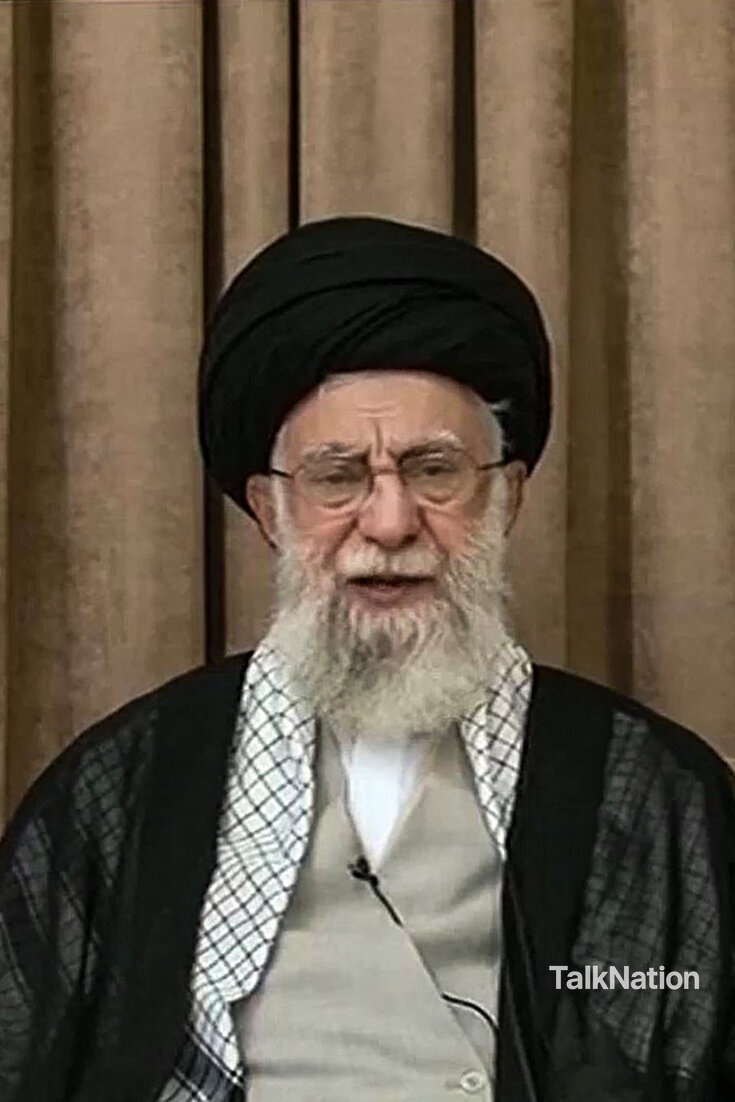
March 2, 2026—In the first full daylight hours since Supreme Leader Ayatollah Ali Khamenei's death in Saturday's missile strike, Iran confronts unprecedented chaos as US-Israeli airstrikes intensify across six major cities while the clerical regime battles to project stability during its most fragile leadership transition in 47 years. Today's dawn brought fresh explosions near Imam Khomeini Airport as Iran's newly formed three-person interim council—now complete with intelligence chief Ali Akbar Ahmadian's appointment—struggled to contain public panic despite nationwide internet blackouts and IRGC's declaration of "maximum-response combat mode" against American bases in Bahrain and Israel's Negev Desert.
Deep Dive Analysis
Coalition military operations entered a critical phase overnight with US Central Command confirming the deployment of stealth-capable B-2 Spirits from Diego Garcia to supplement Israeli Air Force F-35s in "decapitation-targeting missions." Unverified but credible reports from Iranian dissident networks indicate Revolutionary Guard commander Brigadier General Mohammad Reza Zahedi was killed in today's early strikes—one of four senior IRGC figures eliminated since Saturday—which has triggered spontaneous mobilization orders across Quds Force networks from Lebanon to Yemen. This acceleration appears deliberately timed to exploit Iran's constitutional vulnerability: With Khamenei confirmed dead via state broadcast at 03:17 Tehran time today, the Assembly of Experts must now navigate the selection process under active bombardment, a scenario never tested since the 1979 revolution.
The interim council's psychological warfare campaign has intensified equally. President Pezeshkian's pre-dawn video address—broadcast via emergency radio frequencies after Instagram and Telegram shutdowns—demanded citizens report to neighborhood mosques for "sacred defense coordination," directly invoking revolutionary-era mobilization tactics. Simultaneously, Foreign Minister Araghchi's Al Jazeera interview emphasized the leadership transition would "conclude within 72 hours," though intelligence sources suggest hardliners are maneuvering to install conservative jurist Ayatollah Ahmad Khatami over reformist candidate Seyyed Ebrahim Raisi. Crucially, the council's unified front shows alarming cracks: Judiciary Chief Mohseni-Ejei privately pressured the Assembly to fast-track Khatami's selection amid Pezeshkian's insistence on constitutional timelines, revealing dangerous fractures beneath the regime's defiant posture.
What People Are Saying
Despite Iran's near-total information blackout, global social platforms show explosive engagement through circumvention tools. On emerging platform Dust (popular among Iranians), encrypted geotagged posts reveal real-time panic: "North Tehran shaking again—this time closer. Kids screaming as mosque speakers blare 'God is greatest' over explosions" (#ترور_اسرائیل trends with 287K signals). Meanwhile, verified accounts of IRGC-linked influencers like @HosseinRevolution flooded Telegram with doctored footage of "retaliatory drones over Tel Aviv"—later debunked by Israeli military but still viewed 1.2M times. Western intelligence channels leaked that #IranRegimeCollapse became Twitter's #1 trending topic in Germany and France overnight, fueled by viral clips of Tehran residents chanting "Reform or death!" near shattered embassy walls—a stark contrast to regime-controlled NourTV's continuous broadcast of Pezeshkian kissing Khamenei's portrait.
Why This Matters
This 72-hour window represents Iran's existential test: The regime's survival depends on executing a bloodless leadership transition while demonstrating military retaliation capability—the very conditions the US-Israel coalition seeks to prevent through continuous strikes. Should the Assembly fail to appoint a unifying figure today, regional spillover becomes inevitable as Hezbollah activates 150,000 fighters along Israel's northern border, while the US faces political pressure to escalate after Iran's failed drone strike on Al Udeid Air Base wounded 32 personnel. The world is witnessing history's first real-time collapse of a theocratic state under digital-age warfare—with oil markets, global shipping routes, and nuclear proliferation stakes hanging in the balance as dawn breaks over a shattered Tehran.
FAQ
Q: How is Iran communicating without internet access?A: The regime is utilizing emergency AM radio frequencies (specifically 93.7 FM Tehran) and mosque loudspeaker networks to broadcast directives. Civilian access relies on encrypted apps like Soroush and Gap via satellite devices—though these networks are throttled to military/government use only. Q: Who are the leading candidates for Supreme Leader?
A: Current frontrunners are hardline jurist Ayatollah Ahmad Khatami (backed by IRGC) and moderate former judiciary chief Mahmoud Hashemi Shahroudi. Reformist President Pezeshkian is disqualified due to non-clerical status per constitutional requirements. Q: Are civilians obeying the regime's call for street mobilization?
A: Mixed evidence: Pro-regime rallies are confirmed in Qom and Mashhad via drone footage, but independent channels report sparse turnout in Tehran—replaced by underground networks distributing gas masks and documenting strike damage through mosque networks. Q: What prevents immediate US escalation?
A: White House sources confirm strict targeting protocols prohibiting strikes on sacred sites (like Imam Reza Shrine) or direct attacks on Assembly of Experts members to avoid triggering full regional war, per Presidential Policy Directive 31.



0 Comments