
Key Takeaways
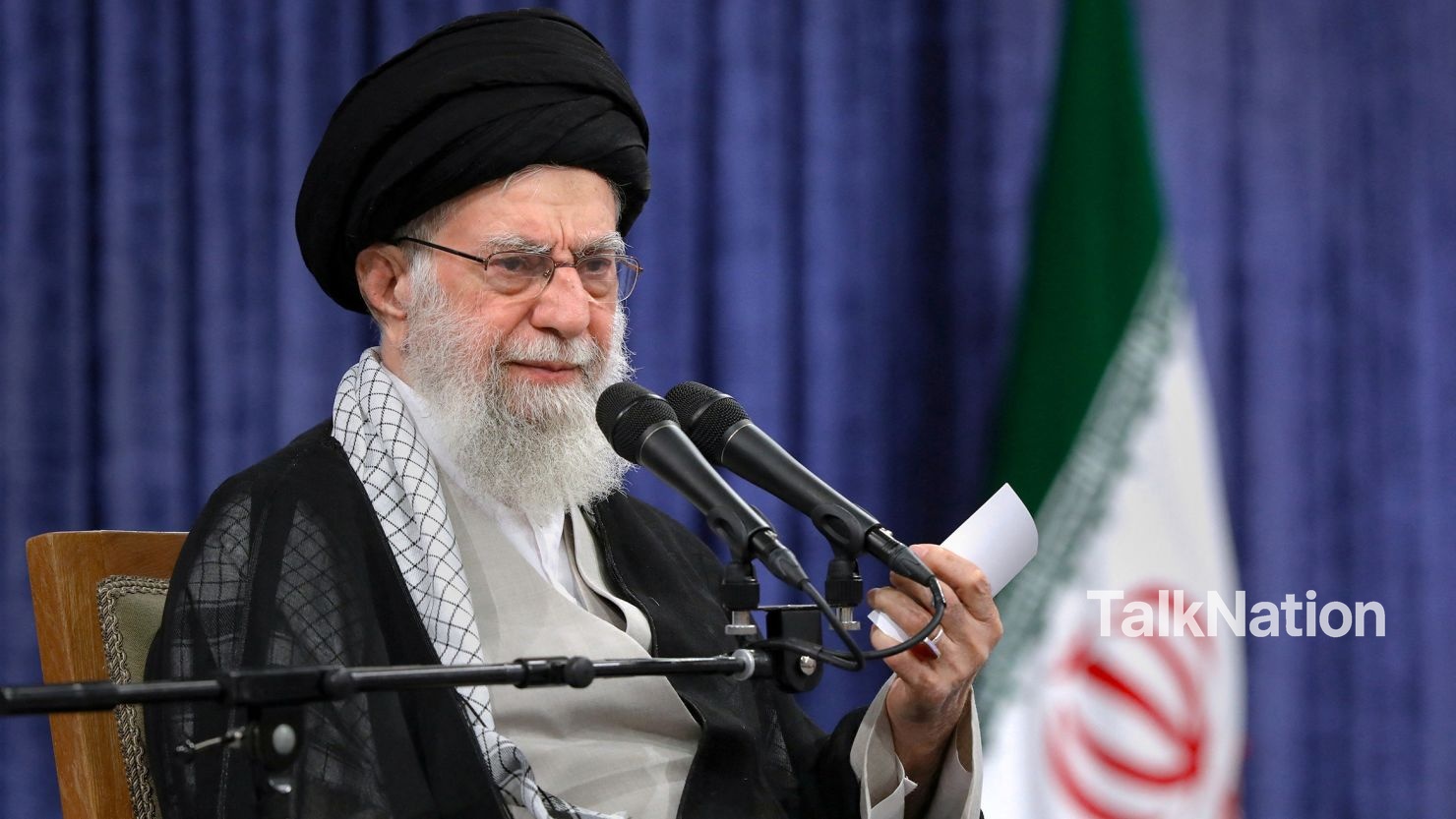
- Iran’s regime confirmed Supreme Leader Ali Khamenei’s death on March 1, activating a temporary three-man council under emergency constitutional protocols—a move widely seen as a stopgap measure amid leadership vacuum.
- The Central Bank’s rollout of a new 5,000,000-rial “Iran-cheque” note—equivalent to just $3.10 amid hyperinflation—is intensifying public fury as cash shortages force informal daily withdrawal limits of $18–$30 per customer.
- Grassroots economic collapse has triggered unprecedented social media backlash, with Iranians documenting empty ATMs and currency devaluation spirals that erode 99.99% of the rial’s original value since 1979.
- Regime insiders face mounting pressure to divert funds from proxy warfare and nuclear programs toward民生 relief, or risk reigniting nationwide protests within days.
- Constitutional succession mechanisms remain intact on paper, but experts warn the Guardian Council’s politicized vetting process could fracture clerical unity if economic chaos deepens.
March 2, 2026 – In the tense 24-hour window following Iran’s state media confirmation of Khamenei’s death, the regime’s survival hinges not on military parades but on a collapsing economy. Fresh intelligence reveals authorities scrambling to control panic after introducing a new banknote worth less than a cup of tea in Tehran cafes—a visceral symbol of institutional failure as citizens confront bank queues and vanishing savings. While the temporary leadership council projects continuity, the real crisis simmers in empty wallets and viral clips of shredded rials.
Deep Dive Analysis
The Islamic Republic’s technical survival since Khamenei’s death masks a powder keg ignited by its own financial implosion. Sunday’s emergency launch of the 5,000,000-rial “Iran-cheque” was billed as a cash-circulation fix, but at 1.6 million rials per dollar, it underscores the rial’s freefall to 0.00006% of its 1979 value. Sources confirm bank branches now enforce shadow caps: customers struggle to withdraw beyond 30–50 million rials ($18–$30) daily, fueling rumors of vault shortages. This isn’t mere inconvenience—it’s systemic strangulation. As economist Saeed Ghasseminejad notes, Iranians increasingly view the state as a vampiric entity siphoning export wealth toward Hezbollah, Hamas, and missile programs while ordinary families ration bread.
Critical fissures are widening between the regime’s hollow political theater and economic reality. The temporary ruling council—appointed under Article 111 of Iran’s constitution—lacks Khamenei’s 37-year authority, leaving power concentrated with shadowy figures like Mojtaba Khamenei and IRGC commanders. Yet without addressing what Ghasseminejad calls “the oppression machine’s insatiable appetite for resources,” even this fragile structure risks collapse. Protests demanding regime change aren’t merely political—they’re survivalist, driven by a terrifying arithmetic: if a single egg costs 1.2 million rials ($0.75), no austerity measure can paper over stolen futures.
What People Are Saying
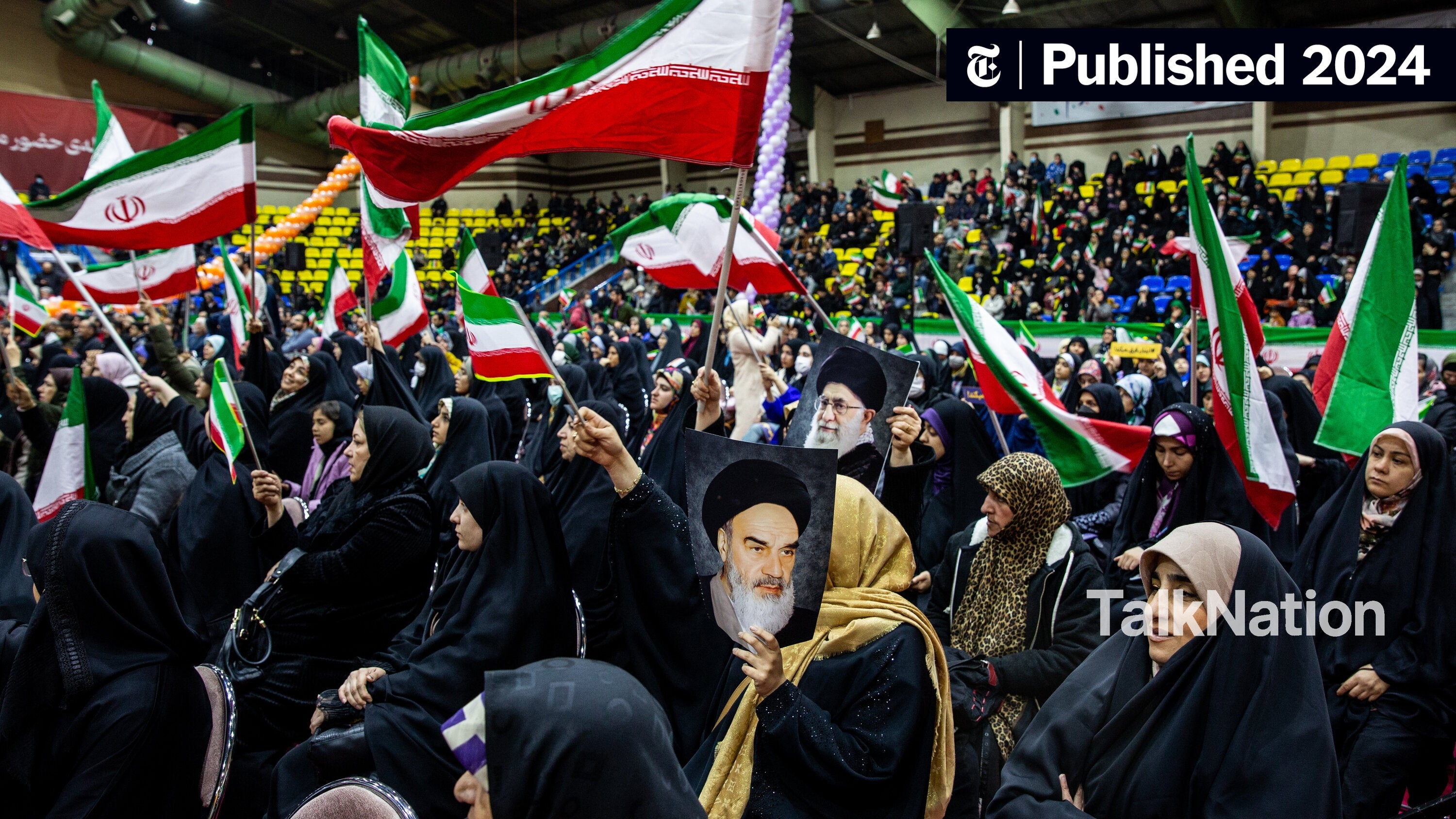
Social media explodes with raw footage defying state media narratives. On March 1, #RIPTaggedKhamenei surged globally as Iranians flooded Twitter with videos counting crumbling banknotes beside dollar stacks. “My salary buys 7 eggs now,” lamented Tehran teacher Parisa Ahmadi in a viral clip showing torn rials taped to her fridge—a symbol of “the regime’s theft.” Meanwhile, Persian-language TikTok hashtags like #RialCollapse documented 2am ATM queues in Isfahan, with users filming screens flashing “Insufficient Funds.” Crucially, diaspora communities amplified these voices using #NoMoreBloodMoney, accusing clerics of “funding Gaza rockets with our starvation.” State censors blocked #نقدینگی (cash crisis) but couldn’t stem memes depicting the new 5-million-rial note labeled “tear gas coupon.” The unifying refrain? “They killed the leader but not the hunger.”
Why This Matters
The next 72 hours will determine whether Iran’s regime survives as more than a zombie state. Constitutional processes can temporarily fill leadership voids, but without immediate economic triage—like halting proxy funding to subsidize food imports—the “temporary council” becomes irrelevant. History favors the streets: Every major Iranian uprising since 2017 began with economic sparks. With inflation nearing 500% and the rial losing 30% value monthly, regime longevity now depends on a near-impossible balancing act: funding repression while halting freefall. If the Central Bank can’t restore basic cash access by midweek, Tehran’s leaders face not succession debates but survival riots. This isn’t about ideology anymore—it’s about whether Iranians can eat before the assembly meets.
FAQ
Q: Is the temporary leadership council legally legitimate?A: Yes, per Iran’s constitution which mandates a three-member interim council following a supreme leader’s death. However, this council holds only ceremonial power until the Assembly of Experts elects a successor—a process likely delayed by infighting. Q: Why is the new 5-million-rial note causing outrage?
A: At current exchange rates, it’s worth $3.10—less than a single meal in Tehran. Its introduction signifies hyperinflation so severe that printing larger denominations is now cheaper than managing smaller notes, stripping citizens’ savings overnight. Q: Could protests restart despite Khamenei’s death?
A: Absolutely. Analysts confirm economic desperation—not leadership changes—fuels dissent. With the rial collapsing 10% weekly, renewed protests could erupt within days if banks fail to ease cash shortages. Q: How do sanctions impact the current crisis?
A: While U.S. sanctions worsen conditions, internal corruption is the primary culprit. Experts estimate 60% of Iran’s oil revenue vanishes into secret IRGC accounts funding proxies, not public services. Q: What would trigger immediate regime collapse?
A: A bank run or military defection. If the Central Bank exhausts foreign reserves trying to prop up the rial, or if Basij forces refuse to suppress hunger protests, the structure implodes within hours.



0 Comments