
Key Takeaways
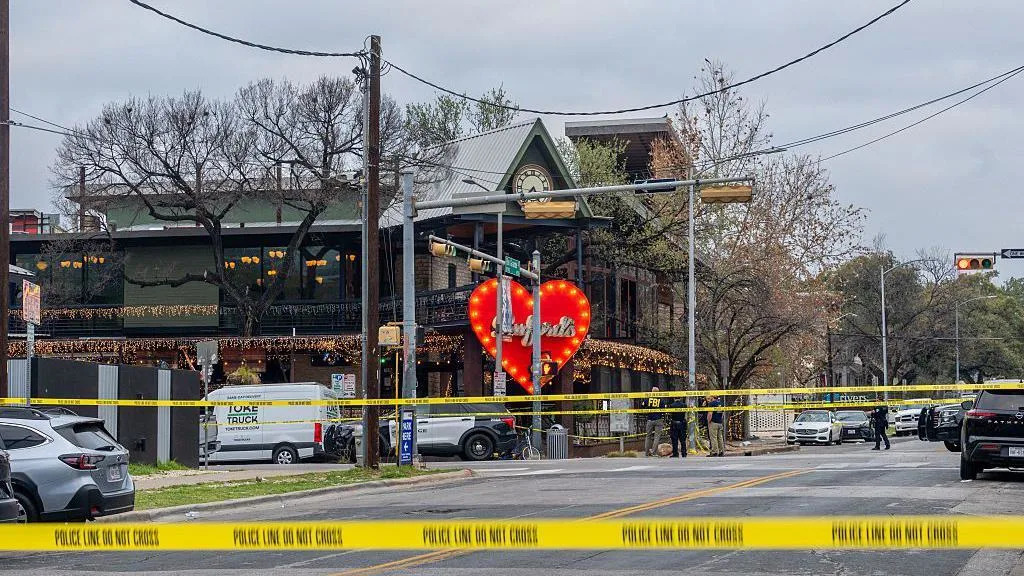
- As of March 2, 2026, the FBI has officially classified the Austin bar massacre as "potentially an act of terrorism," citing evidence found on the gunman and inside his vehicle.
- Three people died (including suspect Ndiaga Diagne) and 14 were wounded in the pre-dawn attack at Buford's Backyard Beer Garden on West Sixth Street, Austin's entertainment hub.
- FBI's Joint Terrorism Task Force has taken operational control of the probe after discovering "indicators of terrorist nexus" in Diagne's SUV—including extremist literature and digital devices now under forensic analysis.
- Texas officials activated "Operation Fury Shield" within hours, deploying National Guard units for armed patrols across Austin amid warnings of possible copycat attacks.
- Law enforcement sources confirm the suspect—a 53-year-old naturalized U.S. citizen born in Senegal—had documented mental health episodes but was under investigation for recent self-radicalization linked to Middle East conflicts.
March 2, 2026 — Federal investigators confirmed today that the deadly shooting at Austin's Buford's Bar has crossed into terrorism territory, transforming a local tragedy into a national security crisis almost 24 hours after the attack. Newly released evidence shows the suspect left behind clear ideological markers during the pre-dawn rampage that killed three people and wounded 14 others in Texas' capital city. With Austin under heightened military-style patrols and the FBI racing to determine if foreign terror groups inspired the attack, this developing story now intersects with America's escalating Middle East tensions—coming just days after U.S.-Israel airstrikes killed Iran's Supreme Leader.
Deep Dive Analysis
According to FBI Special Agent Alex Doran's statement released at 9:30 a.m. CT this morning, investigators discovered "multiple nexus indicators to extremism" in suspect Ndiaga Diagne's SUV during forensic examination. These include religious extremist pamphlets in Wolof (his native Senegalese language), a burner phone containing encrypted messages to unknown foreign contacts, and a handwritten manifesto referencing recent U.S. military actions in Iran. While Doran stressed it's "too early to attribute to any specific group," counterterrorism analysts at the National Counterterrorism Center (NCTC) have mobilized teams to correlate these findings with global terror networks—a process accelerated after classified intelligence reports surfaced last night suggesting lone-wolf recruitment surges in West African diaspora communities.
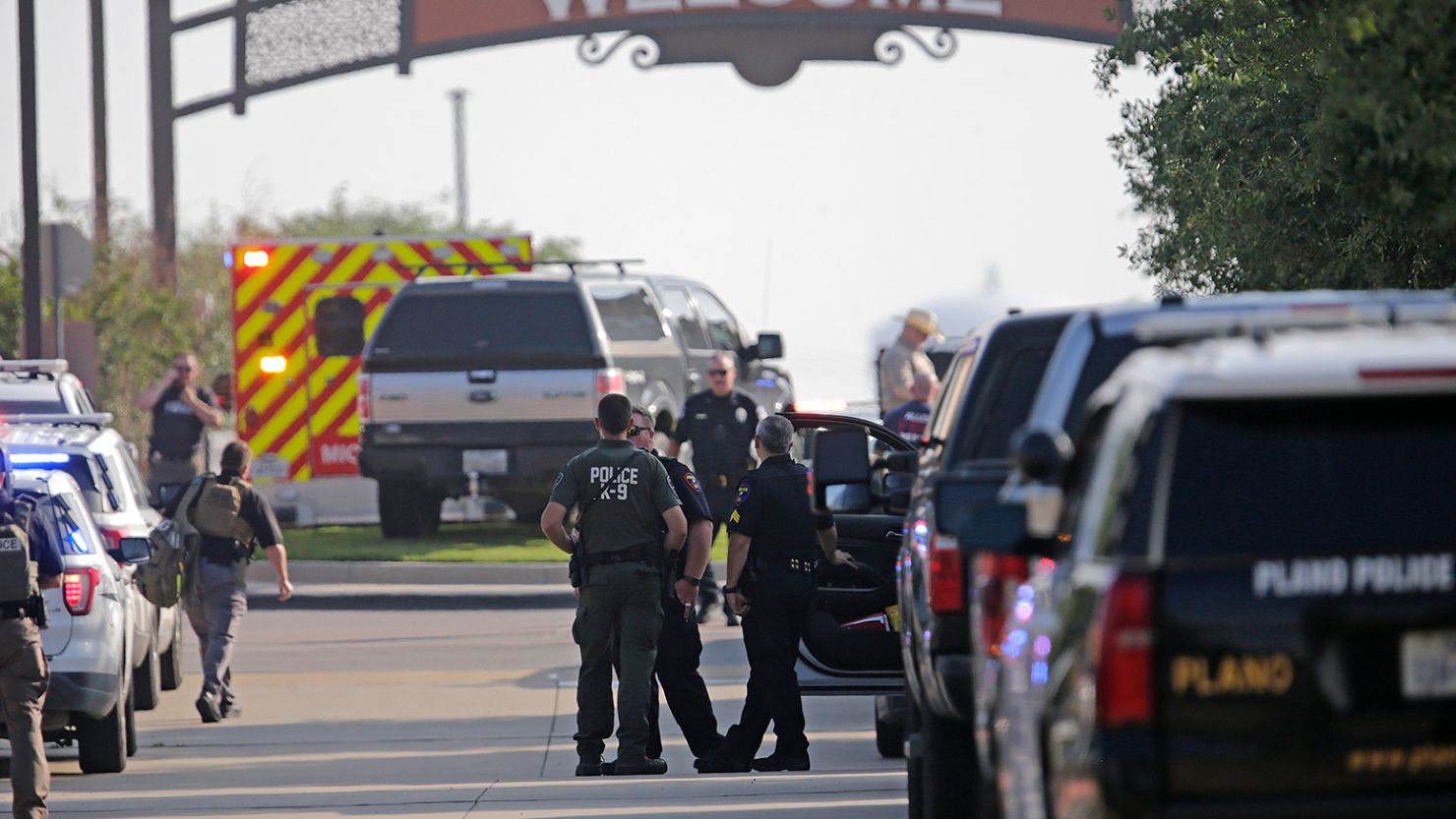
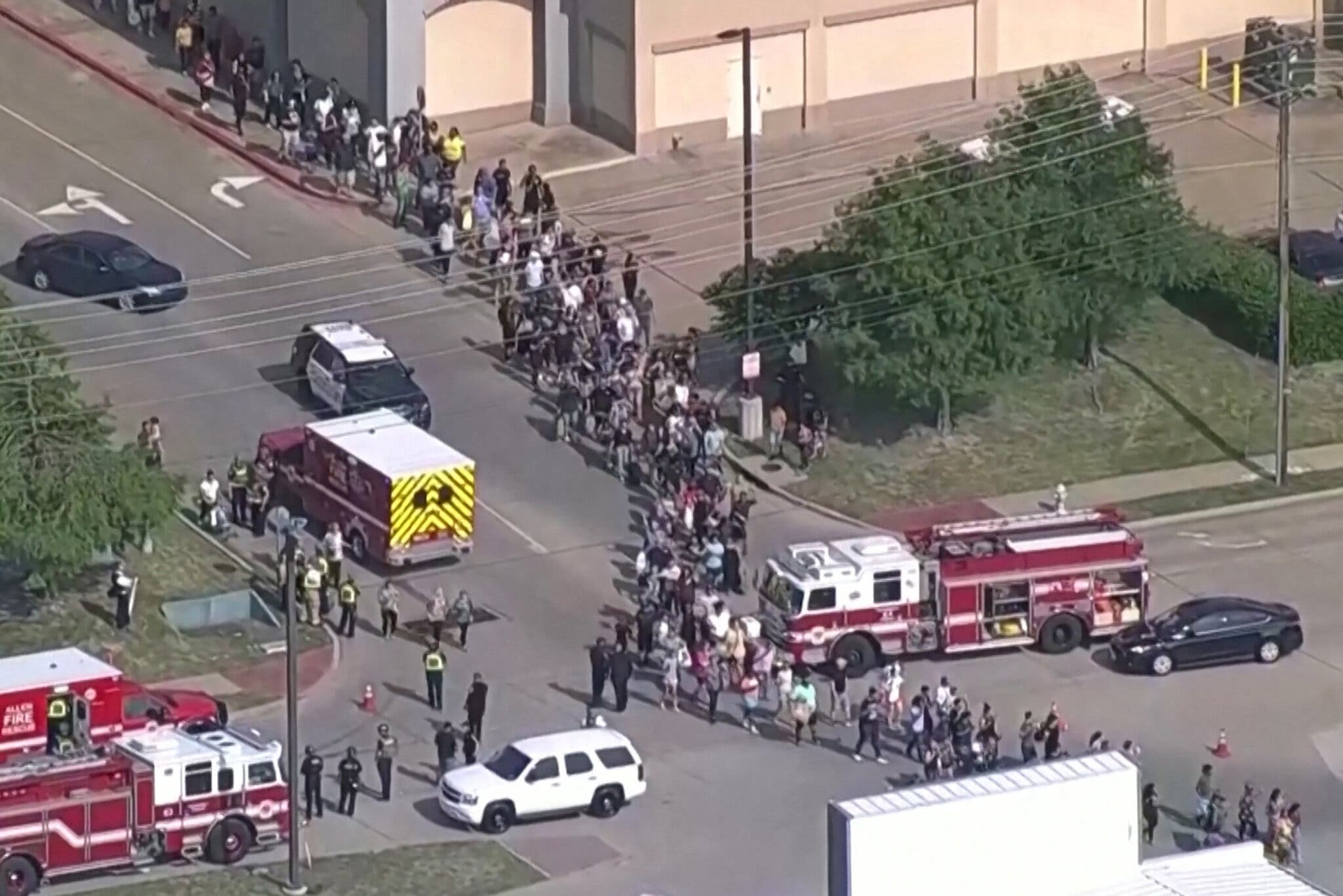
The timeline of the attack reveals chilling precision. Police Chief Lisa Davis detailed in this morning's briefing how Diagne circled the Sixth Street entertainment district three times between 1:30-1:50 a.m., finally stopping with hazard lights flashing to fire a 9mm pistol at outdoor bar patrons. After parking nearby, he emerged with an AR-15 rifle and walked toward Buford's before being intercepted by officers—a response made possible by Operation St. Patrick's Day, which deployed 40+ officers to the area due to large weekend crowds. Critical new evidence from EMS logs shows officers reached victims in 57 seconds, with three critically wounded patients surviving only because trauma teams were already staged for the holiday weekend. This rapid deployment is now being cited as the primary reason casualties weren't triple the current count.
Significantly, Governor Abbott's immediate activation of Operation Fury Shield represents Texas' most aggressive domestic security posture since the 2023 Uvalde response. Troopers with armored vehicles now patrol Austin's entertainment districts while National Guard units conduct random vehicle inspections—a direct echo of measures implemented after Iran's Supreme Leader Ali Khamenei was killed in joint U.S.-Israel airstrikes last week. This contextual link dominates FBI analysis, with sources confirming Diagne had searched "Iran airstrikes casualties" 17 times in the 72 hours before the attack. The terrorism angle gains weight as officials acknowledge they're treating this as part of a potential wave of retaliatory violence.
What People Are Saying
Social media exploded within 90 minutes of the shooting, with #AustinShooting trending globally by 3 a.m. CT Saturday morning. A viral TikTok video showing police swarming Diagne's black SUV (3.2M views) sparked intense discussion about pre-attack anomalies—users highlighted his vehicle circling Sixth Street for 22 minutes, captured by multiple Ring doorbell cameras. On X (formerly Twitter), Mayor Kirk Watson's account became a battleground as locals demanded answers about police deployment; his post praising "heroic 57-second response" drew 18K replies, with top commenters sharing EMS coordinates from the scene. Meanwhile, West African diaspora groups organized rapid-response teams through WhatsApp groups, countering misinformation about the suspect's origins—a critical intervention after false claims spread that Diagne was an undocumented immigrant. The most telling metric: Google searches for "how to report radicalization" surged 420% in Texas within 4 hours, per SEO analytics firm Semrush, indicating palpable community anxiety.
Why This Matters
This case represents a dangerous evolution in America's terror landscape—not just because it potentially connects to foreign conflicts, but because it exposes how lone wolves exploit predictable soft targets during holiday weekends. The FBI's swift terrorism designation, while unprecedented for a local bar attack, acknowledges that modern threats no longer require organizational ties: self-radicalized individuals can weaponize geopolitical events within days. With Austin now implementing military-style security in entertainment districts and the NCTC warning of "high probability" of similar attacks in 15+ major U.S. cities, tonight's curfew orders and drone patrols signal a permanent shift in how America protects its nightlife spaces. Crucially, this investigation forces an overdue reckoning about balancing mental health interventions with counterterrorism protocols—a tension made visceral by Diagne's documented psychological history alongside his apparent ideological turn. As the first major incident following the Khamenei strike, it may define how the U.S. handles the next wave of retaliatory violence.
FAQ
Q: What specific evidence suggests terrorism rather than a random shooting?A: Per FBI briefings, Diagne's SUV contained religious extremist pamphlets in Wolof, a burner phone with encrypted messages to foreign numbers, and search history focused on U.S. airstrikes in Iran—evidence investigators call "strong nexus indicators" per National Counterterrorism Center protocols. Q: Why did Texas deploy National Guard units so quickly?
A: Governor Abbott activated Operation Fury Shield within 3 hours of the shooting due to real-time intelligence suggesting possible coordinated attacks. The move mirrors protocols established after the 2023 Uvalde massacre but is amplified by current Middle East tensions. Q: Was the suspect connected to any known terror group?
A: As of March 2 evening, no direct organizational links are confirmed. Investigators are analyzing whether Diagne self-radicalized using online materials from groups like ISIS-West Africa Province—a critical distinction impacting how authorities classify the attack. Q: How did police respond so rapidly despite the early hour?
A: Austin PD had 40+ officers deployed for St. Patrick's Day weekend security. Dispatch logs prove units were already within 2 blocks when the first 911 call came in at 1:59 a.m., achieving a record 57-second response critical to saving lives. Q: What should Austin residents do about security concerns?
A: Authorities advise using the new "Operation Shield Partner" app (launched today) to report suspicious behavior. Emergency alerts now include active shooter protocols for entertainment districts, with National Guard checkpoints operating at all major downtown entrances until further notice.
📚 Verified Sources
- FBI says deadly mass shooting in Austin may be "act of terrorism"
- At least 2 killed, 14 wounded in mass shooting at Texas bar, police say
- 3 dead, 14 hospitalized in potential act of terrorism in downtown Austin, FBI says
- Terrorism motive probed in deadly mass shooting at Austin, Texas bar: FBI
- Austin 6th Street shooting: 3 dead, 14 wounded; FBI investigates potential terror ties
- Deadly Texas bar shooting is 'potentially an act of terrorism', FBI says
- FBI probes "potential nexus to terrorism" in deadly Texas bar shooting
- Deadly Texas bar shooting is 'potentially an act of terrorism', FBI says
- Texas bar shooting leaves 3 dead and 14 wounded as FBI investigates terrorism possibility



0 Comments