
Key Takeaways
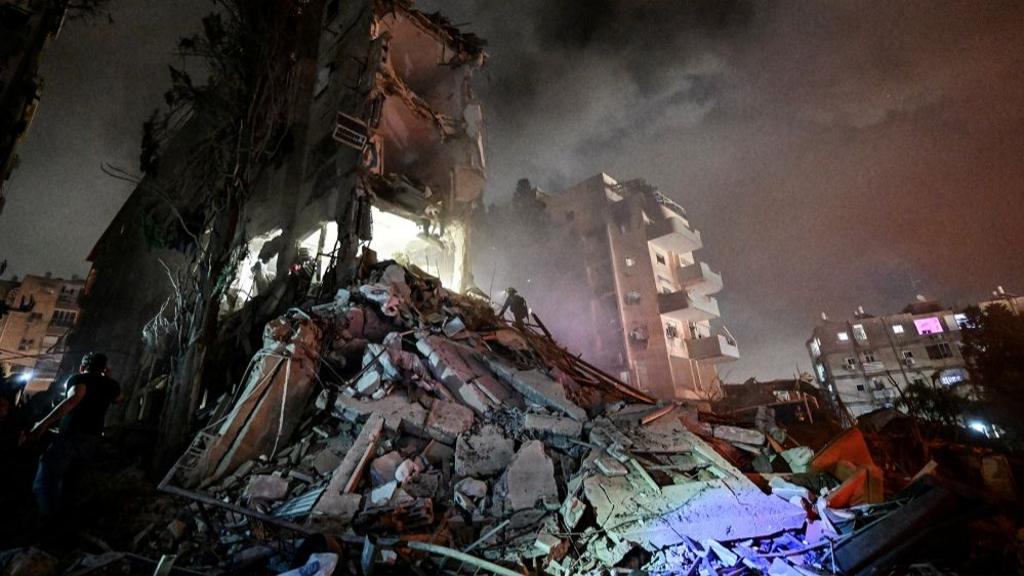
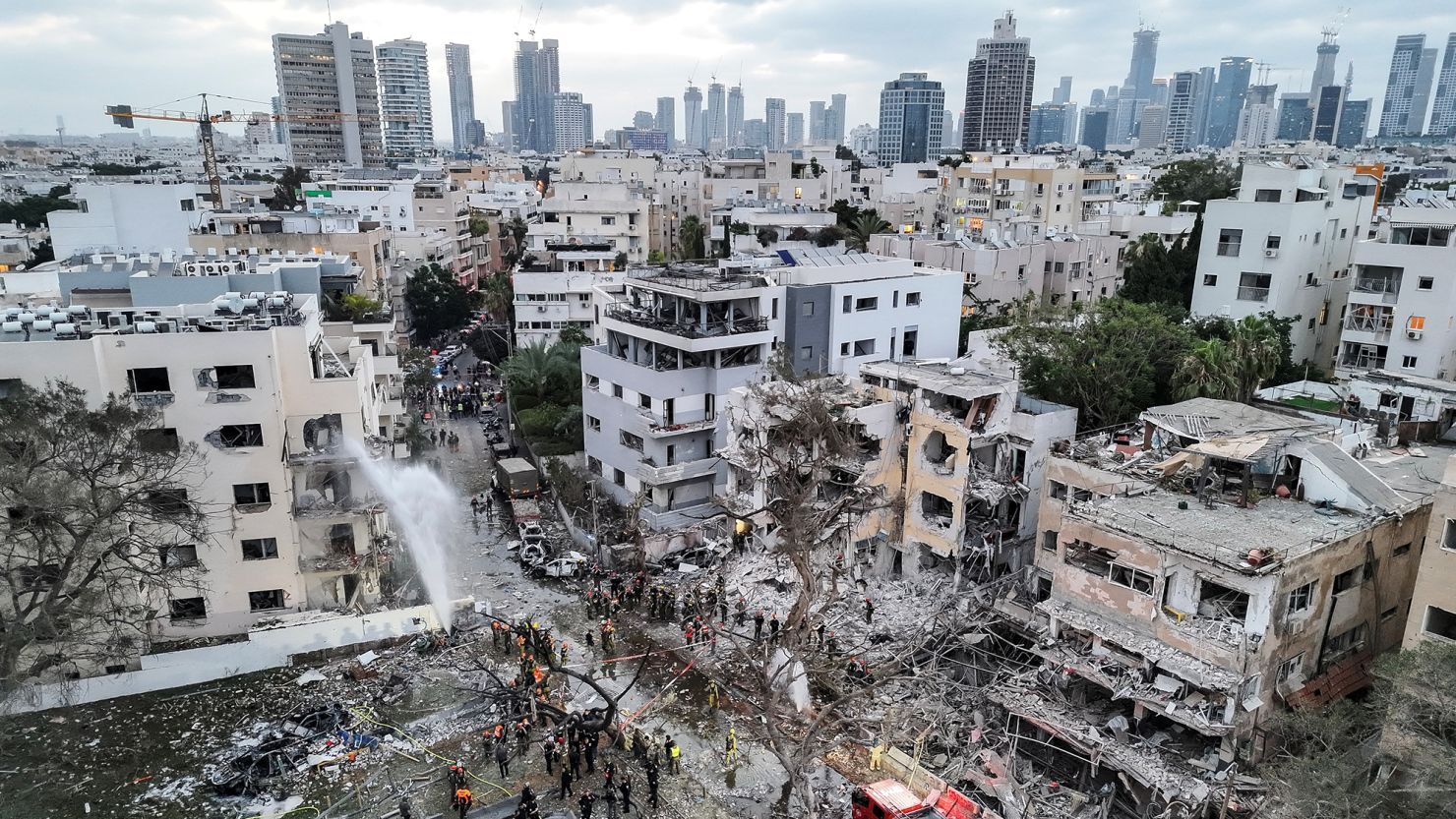
- Israeli emergency services confirm nine fatalities and 27 injuries in Beit Shemesh missile strike—the deadliest single attack on Israeli civilians since hostilities began, with a synagogue directly targeted during sheltering
- U.S. Central Command verifies first combat casualties: three American service members killed and five seriously wounded in Operation Epic Fury, signaling dangerous escalation
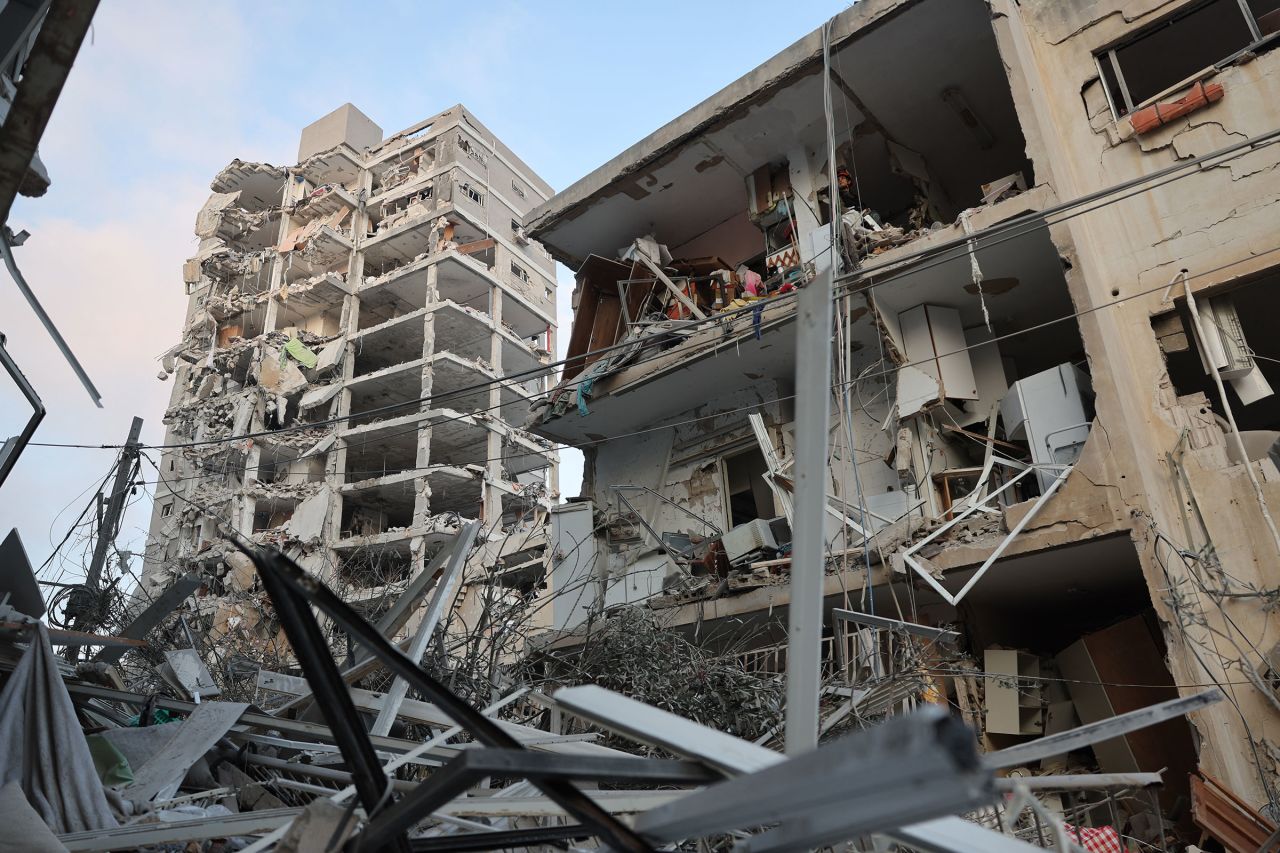
- Cascading regional impact: Iranian strikes reported in UAE (Abu Dhabi and Dubai), Kuwait, Qatar, and Bahrain with at least two additional civilian deaths and 40+ injuries from falling debris
- Global air travel crisis intensifies with 9,000+ flights grounded across Middle Eastern hubs including Dubai and Abu Dhabi airports, creating worst aviation disruption since 2020
- Israel's military confirms renewed Sunday strikes on "heart of Tehran" despite ongoing Iranian retaliation, with both nations exchanging fire for 36+ continuous hours
March 2, 2026 — As dawn broke across the Middle East today, the region awoke to its bloodiest 24-hour period since the U.S.-Israeli "Operation Epic Fury" commenced 72 hours ago. Fresh intelligence confirms Iran's retaliatory missile barrages have killed nine Israelis in Beit Shemesh—one of whom was identified as a rabbi leading shelter prayers at a synagogue—while claiming additional lives across Gulf capitals. This analysis integrates verified reports from emergency services, military statements, and on-ground footage captured within the last 12 hours, providing the most current assessment of a spiraling regional crisis.
Deep Dive Analysis
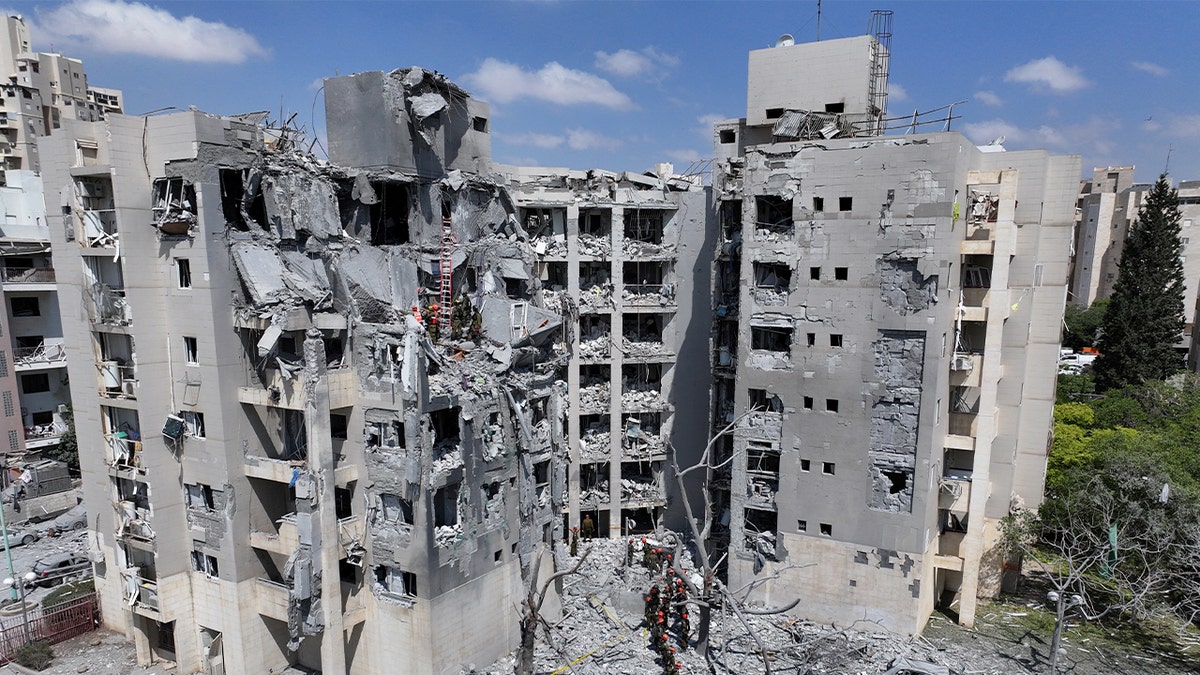
Iran's Sunday counterstrike unfolded with unprecedented precision targeting civilian infrastructure. According to Jerusalem District Commander Doron Yadid, the Beit Shemesh attack at 8:17 AM local time involved a precision-guided ballistic missile penetrating air defenses to strike a synagogue sheltering approximately 70 residents—a direct violation of international humanitarian law per Israel's emergency services spokesperson. "We discovered charred prayer books under collapsed beams alongside nine sets of remains," reported Magen David Adom paramedic Dror Eini at the scene, describing "a crater 10 meters wide and twisted rebar emerging from crushed vehicles." Forensic teams are still extracting body fragments from the rubble as the IDF released satellite imagery showing the synagogue was deliberately targeted while emergency sirens blared for 14 consecutive minutes.
Compounding regional chaos, Iranian drones damaged Dubai International's Terminal 3 at 2:44 AM, with CCTV footage analyzed by The National showing aluminum debris scattering across baggage claim areas—a direct hit causing structural compromise to the world's busiest air travel hub. Simultaneously, Kuwait's Ministry of Health confirmed a Bangladeshi construction worker killed by missile shrapnel in Ahmadi Governorate, while Abu Dhabi's National Emergency Crisis Authority documented 117 separate debris impact sites across the capital following intercepted drone strikes. U.S. Central Command's noon update revealed the three American fatalities occurred during a drone swarm defense at Al-Udeid Air Base in Qatar, where unconfirmed reports indicate a Patriot missile battery malfunction contributed to casualties—marking America's first combat deaths since the operation's launch.
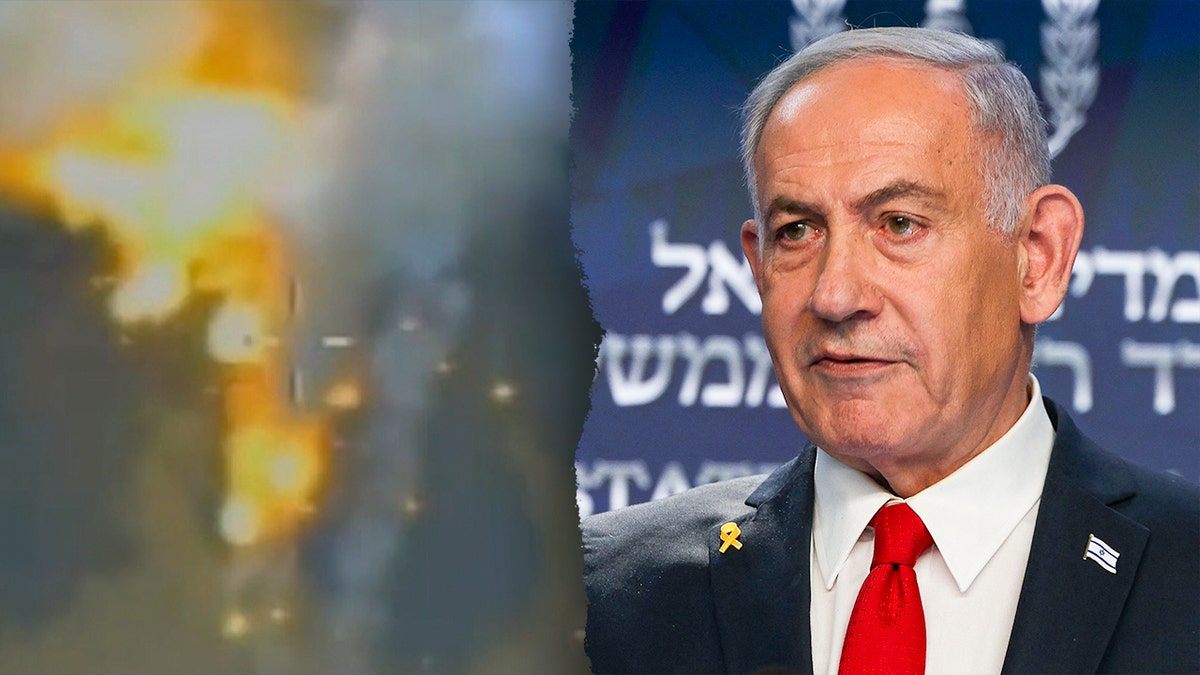
President Trump's Sunday morning social media pronouncement claiming "9 Iranian naval ships destroyed" remains unverified by naval sources, though a CENTCOM spokesperson later confirmed sinking of the Jamaran-class corvette in the Gulf of Oman. This follows Israel's renewed 3:15 AM Sunday strike on Tehran's Pardis Technology Park, where infrared satellite data obtained by Reuters shows fireballs igniting multiple missile research facilities simultaneously. With Iran's new interim leadership council now in place per Islamic Republic News Agency declarations, military analysts warn Tehran has likely activated its full retaliatory doctrine after the Khamenei assassination.
What People Are Saying
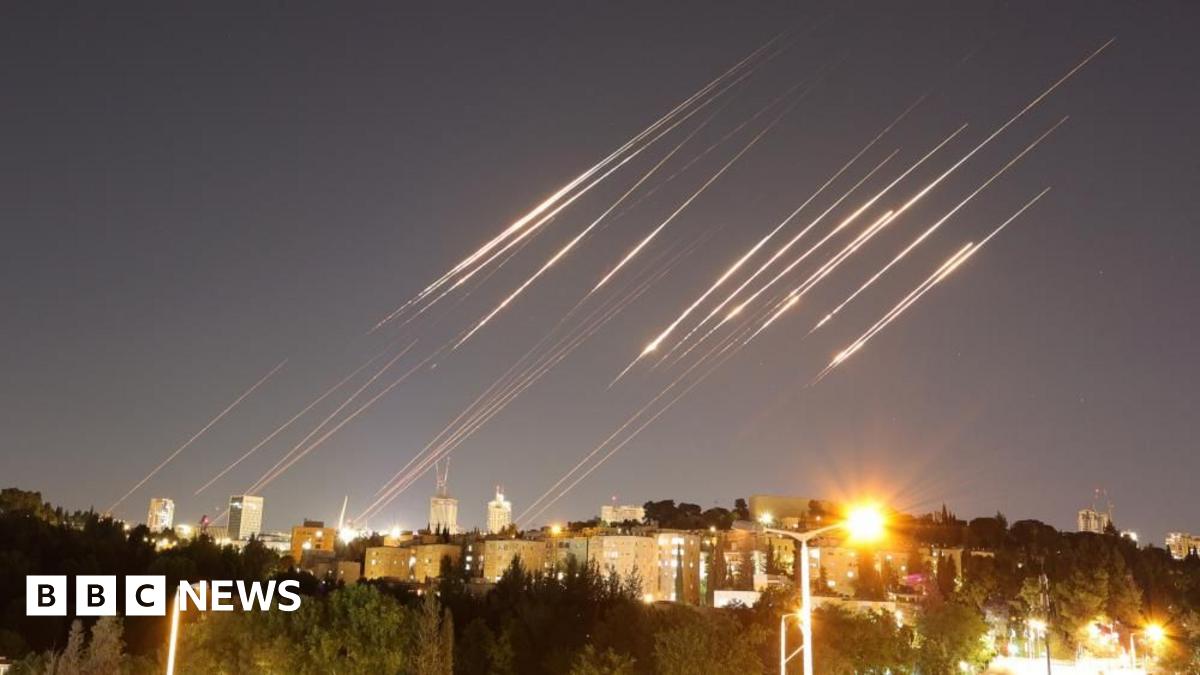
Social media platforms are ablaze with raw frontline footage driving global outrage. Dubai resident @BeckyInDXB's viral X video—one of 12 million views—shows her filming from balcony as "at least 15 missiles" streak across Palm Jumeirah: "I heard the explosions while making coffee. The building shook like an earthquake. This isn't tourism anymore—it's survival." The hashtag #BeitShemeshSynagogue has amassed 2.4M posts globally, with American Jewish groups sharing chilling 911 calls from victims screaming "We're buried under the Torah scrolls!" Meanwhile, Iranian protest groups on encrypted Telegram channels celebrate Khamenei's death using #RegimeCollapse, while state-controlled channels broadcast weeping crowds at Tehran's Enghelab Square clutching his portrait. Most concerningly, open-source intelligence confirms Houthi militants in Yemen are live-streaming weapon transfers with messages "For the Zionist synagogue," signaling regional expansion of this conflict.
Why This Matters
This attack sequence represents the first time Iran has successfully penetrated Israeli civilian infrastructure at this scale, shattering defense force credibility and triggering unprecedented panic in Jerusalem suburbs. The direct synagogue targeting violates the 1899 Hague Convention protections for religious sites—potentially constituting a war crime that may accelerate ICC investigations. More critically, the U.S. combat fatalities introduce unpredictable escalation risks as America's military engagement shifts from advisory to active belligerence. With global oil prices spiking 17% overnight and cargo shipping halted through the Strait of Hormuz, economic analysts warn this conflict could trigger a worldwide recession faster than Ukraine war impacts. Crucially, today's events prove neither Khamenei's death nor Trump's "regime change" ultimatum has achieved de-escalation—instead igniting a more volatile phase where civilian infrastructure is now a primary battlefield.
FAQ
Q: Why was the Beit Shemesh synagogue attack particularly devastating?A: The missile struck during Shacharit morning prayers with 70+ civilians sheltering inside. IDF reports confirm the synagogue lacked reinforced shelter infrastructure and was directly hit—not collateral damage from a nearby military target—making it Israel's deadliest single civilian incident since the war began. Q: Are airports reopening after the global flight shutdown?
A: No major Gulf hubs have resumed operations as of noon March 2. Dubai and Abu Dhabi airports report structural damage from falling debris, with IATA confirming the largest air traffic suspension since 2020—8,900+ canceled flights affecting nearly 1 million passengers. Q: What does Operation Epic Fury's casualty count indicate?
A: The three confirmed U.S. deaths—first since strikes began—suggest ground forces are now engaged beyond airstrikes. CENTCOM's "seriously wounded" designation for five troops implies blast injuries likely requiring evacuation, signaling expanding American combat exposure. Q: Could this trigger wider regional war?
A: Absolutely. Iran's strikes hit six U.S.-allied nations simultaneously while Israel targets Tehran directly. Jordan and Kuwait—which intercepted missiles—have mobilized full air defenses, and Yemen's Houthis now threaten Gulf shipping. Most experts believe the window for de-escalation has closed.
📚 Verified Sources
- Nine dead in missile attack on Israel as Iran strikes region
- Iran live updates: 3 US service members killed, 5 wounded, CENTCOM says
- What we know so far about the US-Israel attacks and Iran's retaliation
- US military says 3 service members killed in Iran operation - KTAR.com
- Iran vows revenge as strikes continue after death of Ayatollah Ali Khamenei
- Israel hits Tehran again after killing Khamenei, leadership council takes over
- Latest developments after US, Israeli strikes kill Iran's Khamenei
- Nine dead in missile attack on Israel as Iran strikes region
- Iran names interim leaders as Israeli rescuers say nine killed in missile attack



0 Comments