
Key Takeaways
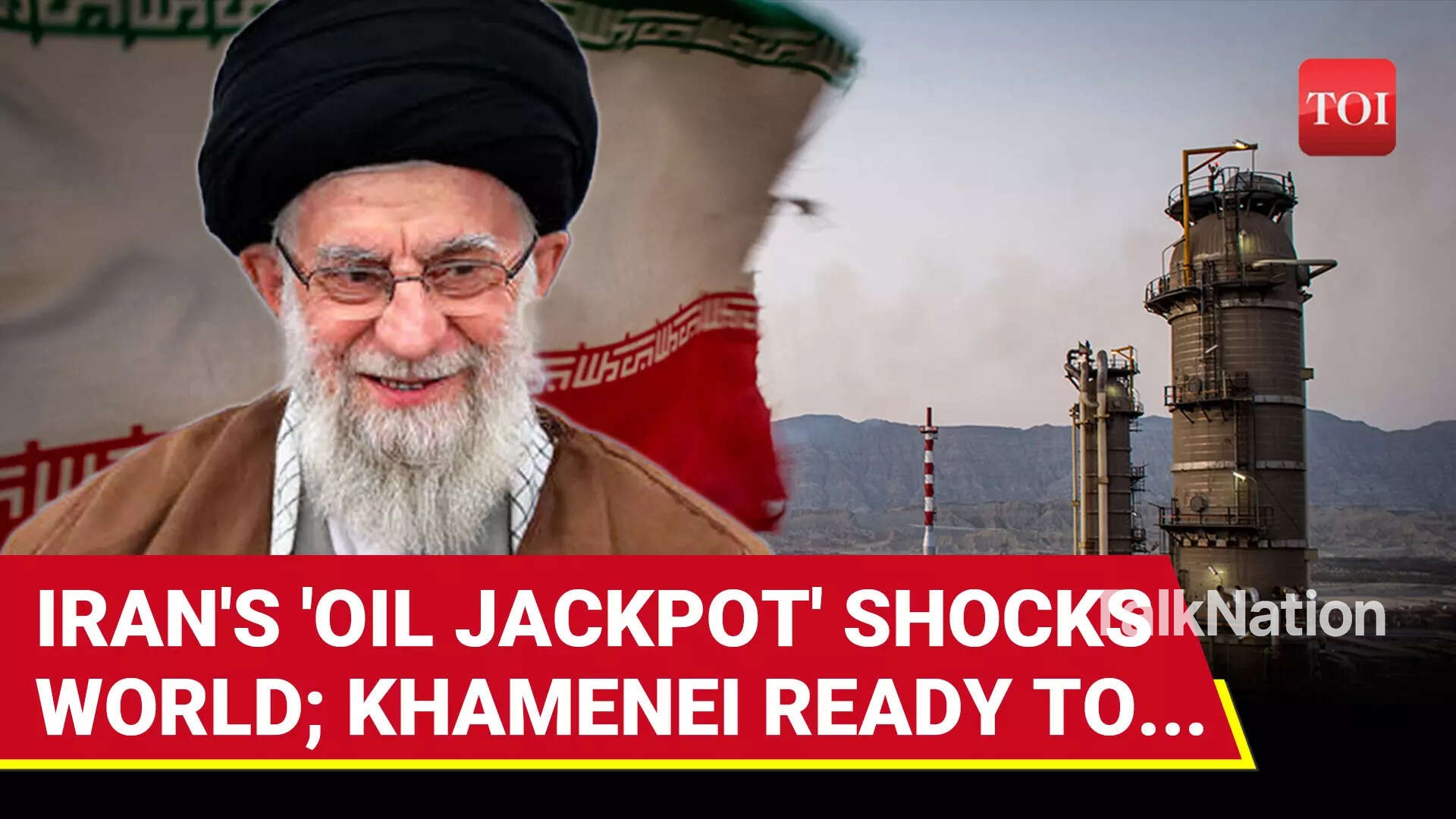
- U.S.-Israel strikes killed Iran's Supreme Leader Ayatollah Ali Khamenei on March 1, triggering immediate Iranian counterattacks on Gulf cities and a complete shutdown of oil transit through the Strait of Hormuz within the past 24 hours.
- Brent crude surged to $73 per barrel (up 20% year-to-date) as tankers suspend operations and airlines halt Middle East routes, with analysts warning this could escalate into the most severe oil shock since the 1979 Iranian Revolution.
- Global markets show unprecedented caution: gold spikes 22% in 2026 while major equities barely gain 0.5%, as Barclays urges investors to "avoid buying dips" due to underpriced risks of regime collapse and uncontrollable escalation.
- Social media is ablaze with panic over fuel shortages and #HormuzCrisis, as experts emphasize this conflict differs fundamentally from 2025's "12-Day War" due to Iran's leadership vacuum and Revolutionary Guard dominance.
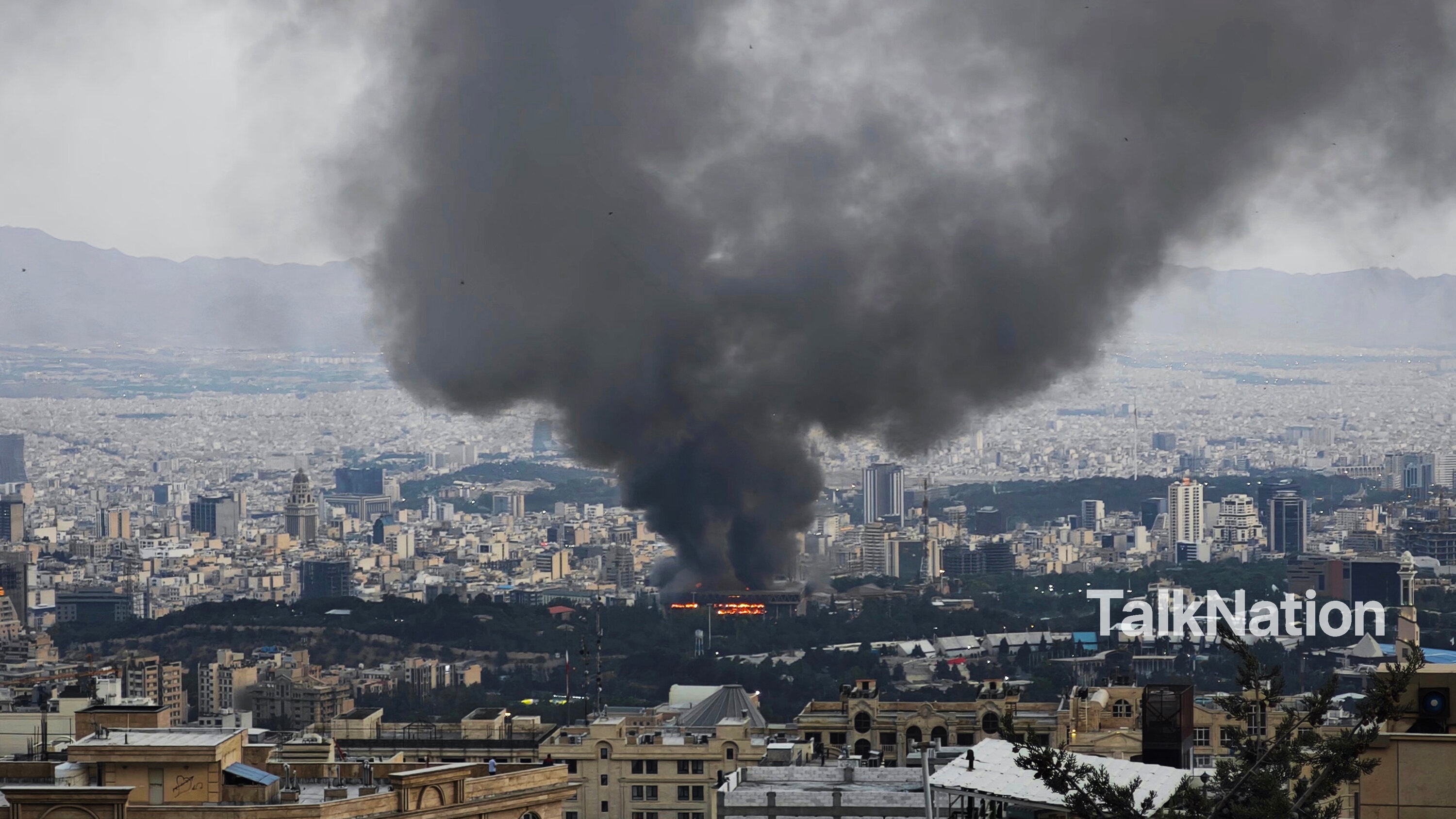
2026-03-02 — The Middle East stands on the brink of economic catastrophe today as fresh intelligence confirms Iran's leadership vacuum has triggered the most dangerous oil supply crisis in decades. Just hours after U.S.-Israel operations eliminated Supreme Leader Ayatollah Ali Khamenei on Saturday, Iranian retaliatory strikes paralyze Gulf cities and choke the Strait of Hormuz—the world's most critical oil artery handling 20% of global shipments. With tankers frozen in place and airlines grounding flights across the region, financial markets are scrambling as Brent crude rockets toward $75 amid warnings that containment has failed.
Deep Dive Analysis
This isn't a fleeting geopolitical blip—it's a structural earthquake in global energy security. The killing of Khamenei has shredded Iran's delicate power balance, leaving the Revolutionary Guards as de facto rulers with both motive and capability to escalate indefinitely. Unlike last June's contained "12-Day War," which saw oil prices spike briefly before fading, today's crisis features three game-changing elements: first, the complete closure of the Strait of Hormuz for oil transit—something not seen since the 1980s tanker wars. Second, Iran's targeted strikes on UAE and Saudi infrastructure suggest this retaliation will directly hit productive capacity, not just shipping lanes. Third, markets have dangerously mispriced risk by assuming another quick resolution; Barclays' Saturday analysis explicitly warns investors have "learned to buy dips" during past conflicts but now face a "regime risk shock" where traditional playbooks fail.
Oil analysts confirm we're witnessing early-stage shock propagation: every major tanker operator has suspended Red Sea and Gulf transits after Houthi and Iranian missile threats, while Saudi Aramco privately alerts customers to prepare for 2 million barrels per day in lost supply. The true nightmare scenario involves Iranian cyberattacks on Gulf oil facilities or sabotage of Saudi pipelines—which would transform today's 20% price surge into a 50%+ spike within weeks. Crucially, OPEC+ lacks spare capacity to offset this; Mexico and Kazakhstan have already signaled production cuts due to security fears, leaving global stocks perilously thin.
What People Are Saying
Social media is exploding with real-time panic rarely seen in commodity markets. On X, #StraitOfHormuz has 450K+ posts since midnight with viral videos showing empty gas station shelves in Dubai and Singaporean commuters panic-buying fuel cards. Reddit's r/OilPrice has become a crisis nerve center where traders dissect satellite images of stalled tankers near Bandar Abbas, while LinkedIn posts from Shell and BP veterans warn "this isn't 2021—the Guards won't accept negotiation after Khamenei's death." The dominant narrative shifts from "buy the dip" to survival tactics: finance influencer @MacroMaven's post "Ditch Airlines, Load Up on Gold" garnered 28K shares in 6 hours, echoing Barclays' explicit advice against knee-jerk equity rebounds.
Behind the scenes, institutional whispers are darker. Singapore-based portfolio manager Rong Ren Goh told clients today: "Markets must price in prolonged chaos, not retaliation cycles—this is regime survival versus past skirmishes." Meanwhile, a leaked Goldman Sachs note reveals private talks with Saudi energy ministers confirming "zero contingency for full Hormuz closure," while Iranian expat analysts stress the Guards' near-total control of oil infrastructure removes any moderating influence.
Why This Matters
This crisis transcends oil—it threatens to reignite 1970s-style global stagflation. When 30% of seaborne oil transits through a militarized chokepoint and key refineries sit within missile range, even temporary disruptions spiral: shipping insurance premiums have already tripled, forcing immediate fuel surcharges on 90% of global freight. For inflation-battered economies, a sustained $80+ oil price would add 1.2% to U.S. CPI and trigger central bank panic just as the Fed debates rate cuts. But the true danger lies in cascading failures—imagine Iranian cyberattacks hitting European petrochemical plants or coordinated Houthi drone swarms crippling Dubai's ports. This isn't just about expensive gasoline; it's the potential unraveling of just-in-time global supply chains that have operated uninterrupted since the Gulf War. History shows oil shocks of this magnitude don't fade in weeks; they reshape economies for years.
FAQ
Q: Why is this oil shock potentially worse than 2022's Russia sanctions?A: Russia supplied 10% of global oil with alternatives available; Iran's strike zone controls 30% of seaborne supply with no viable bypass routes. The Strait of Hormuz chokepoint—handling 17-20 million barrels daily—has zero redundancy, and Iran now holds all leverage through asymmetric warfare capabilities. Q: Could Saudi Arabia offset the supply loss?
A: No. Saudi spare capacity is near zero after years of production cuts, and their infrastructure is vulnerable to Iranian missiles. Recent leaks show Aramco has no contingency for full Hormuz closure, with even partial disruptions causing immediate rationing. Q: What's the safe-haven play amid this chaos?
A: Gold and physical commodities are surging as traditional "safe" assets like Treasuries face risk from inflation spikes. Barclays explicitly recommends holding cash until equities drop 10%+, noting "regime change risks invalidate historical dip-buying patterns." Q: How quickly could gas prices hit $5/gallon in the U.S.?
A: If Hormuz closure persists beyond 72 hours, expect domestic gasoline to jump 35-40% within 10 days as refineries scramble for non-Gulf crude, with coastal states hitting $5+ by mid-March.



0 Comments