
Key Takeaways
- Three commercial vessels attacked within 24 hours near Strait of Hormuz, with two struck by projectiles causing fires and a third hit by a nearby explosion
- Iran's Revolutionary Guards claim responsibility for sinking UK/US tankers, though Western allies haven't confirmed
- Over 150 oil tankers now anchored in Gulf waters as maritime traffic grinds to near halt at critical energy chokepoint
- Global oil prices surge 8% amid fears the strait—which handles 20% of world oil shipments—could remain closed for weeks
- Insurance premiums for Gulf transits have skyrocketed 500% as naval forces scramble to secure shipping lanes
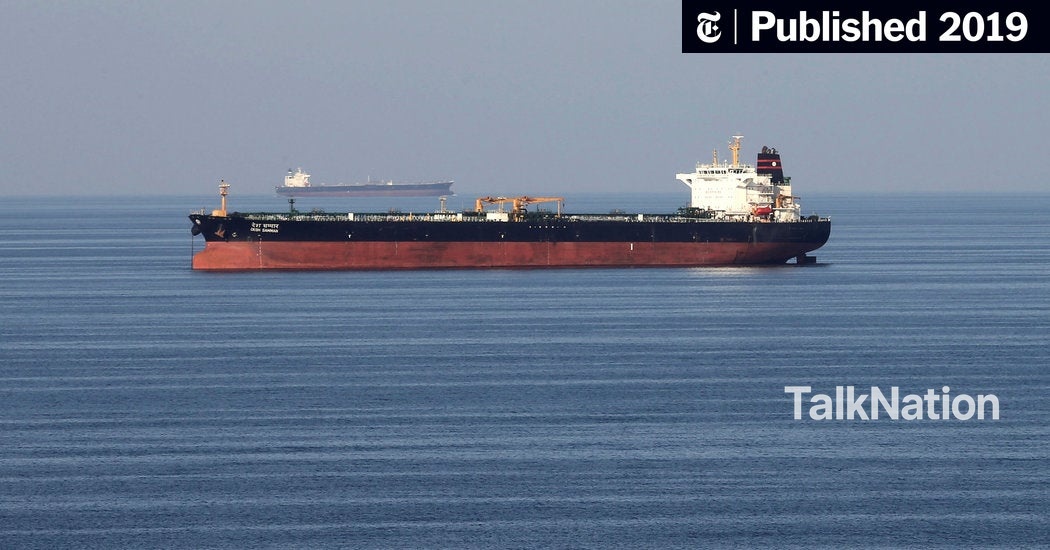
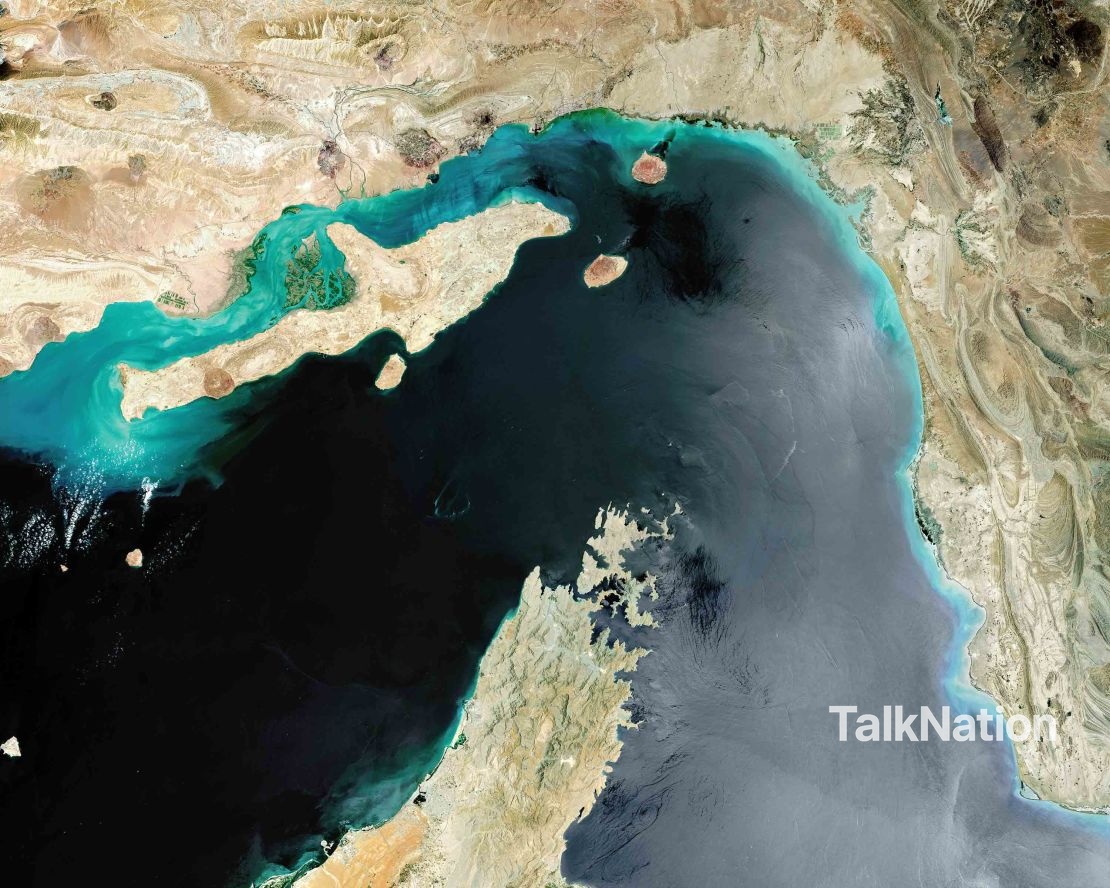
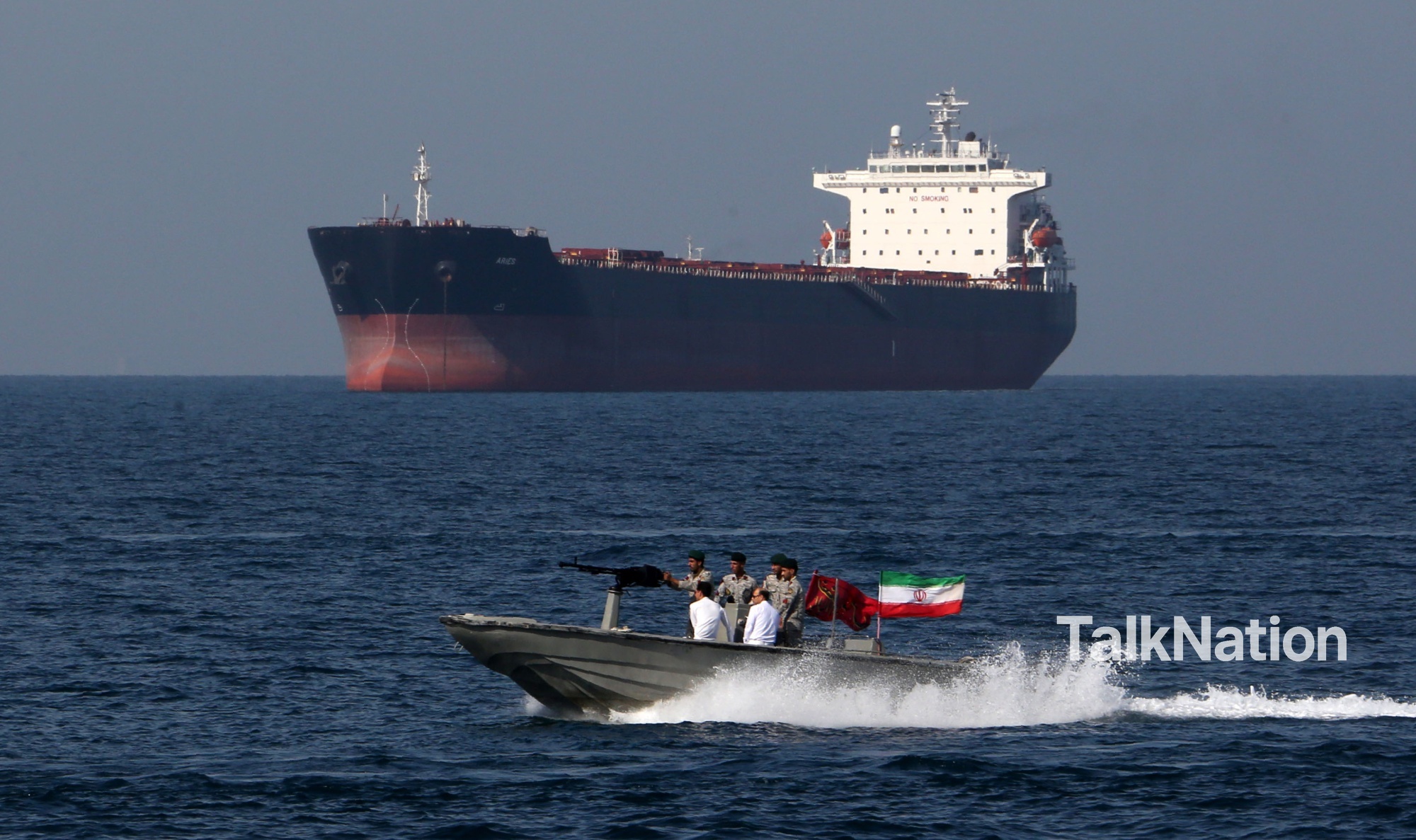
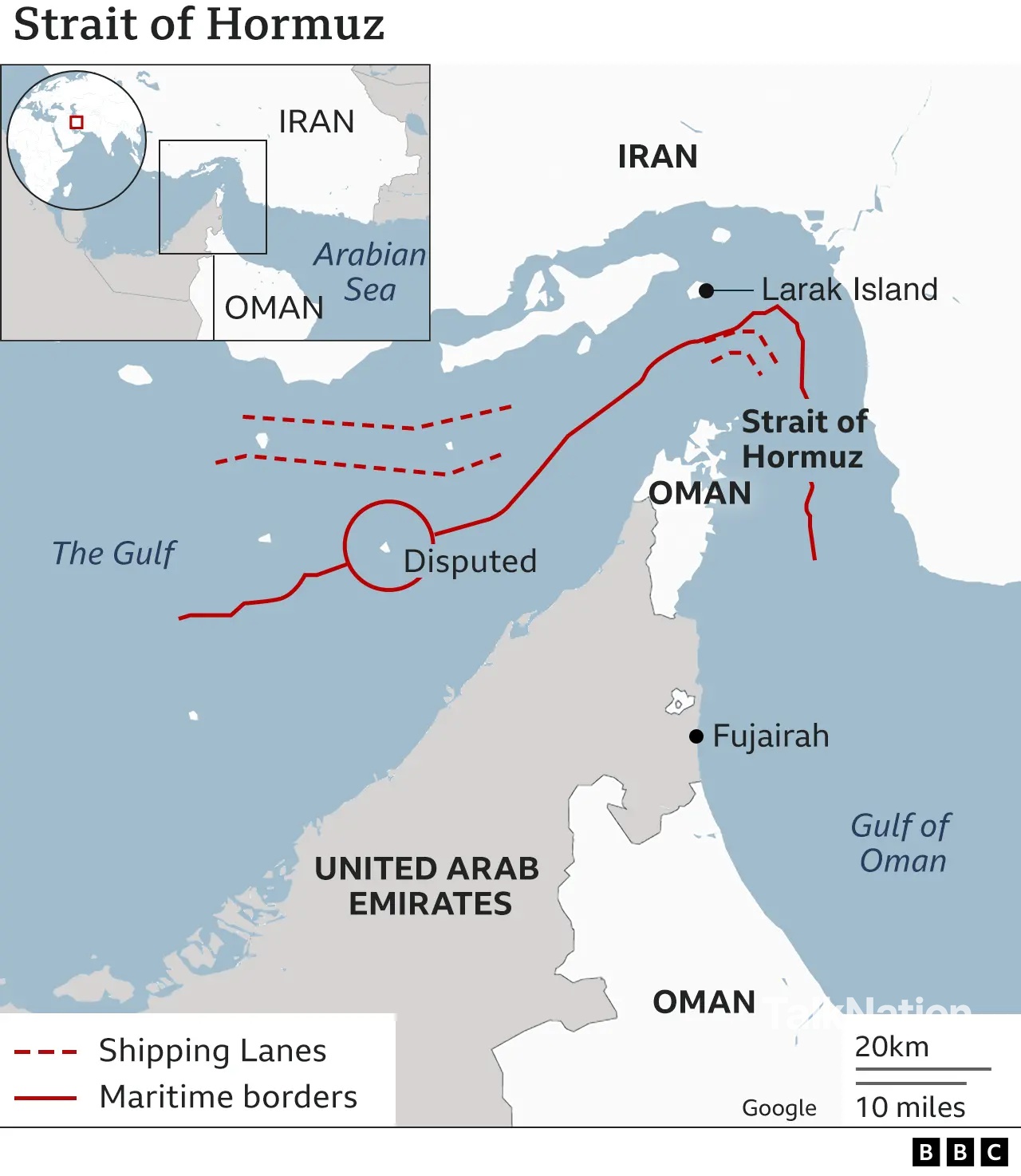
March 2, 2026 – In the most severe escalation since retaliatory strikes began last week, three commercial ships suffered direct attacks near the Strait of Hormuz within the last 24 hours, triggering immediate oil market panic and leaving one of Earth's most vital energy arteries paralyzed. Maritime security teams confirmed the incidents as Iran's Revolutionary Guards Corps (IRGC) issued new warnings prohibiting all vessels from transiting the strait—a move that's already frozen international shipping lanes that normally pump 17 million barrels of oil daily to global markets.
Deep Dive Analysis
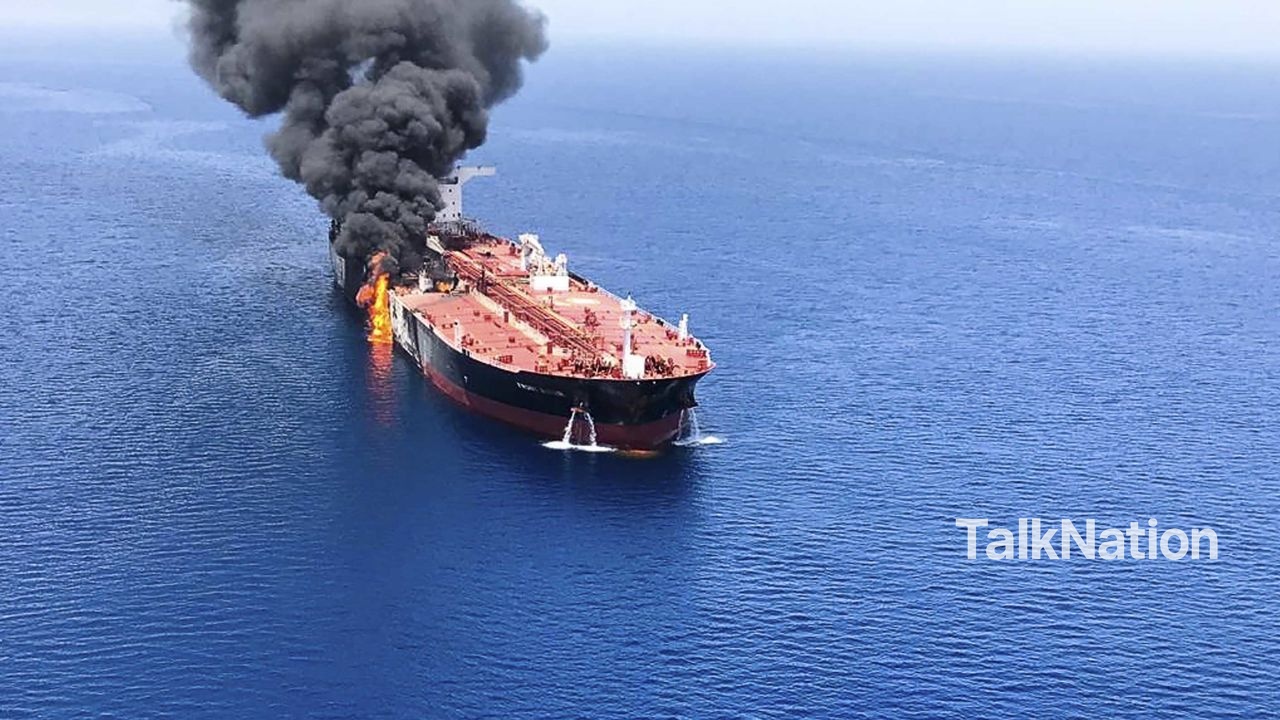
According to the UK Maritime Trade Operations Centre (UKMTO), which released its latest advisory at 11:47 PM GMT Monday, two unidentified vessels sustained direct hits from "unknown projectiles" resulting in significant fires, while a third ship reported a projectile detonating "in very close proximity" though its crew remained unharmed. Simultaneously, private intelligence firm Vanguard Tech verified these incidents involved vessels flagged to Gibraltar, Palau, and the Marshall Islands—critical details omitted in official bulletins. Iranian state media later claimed the IRGC successfully "struck and sank three UK and US tankers," though both nations' defense departments maintained radio silence as of this morning's deadline.
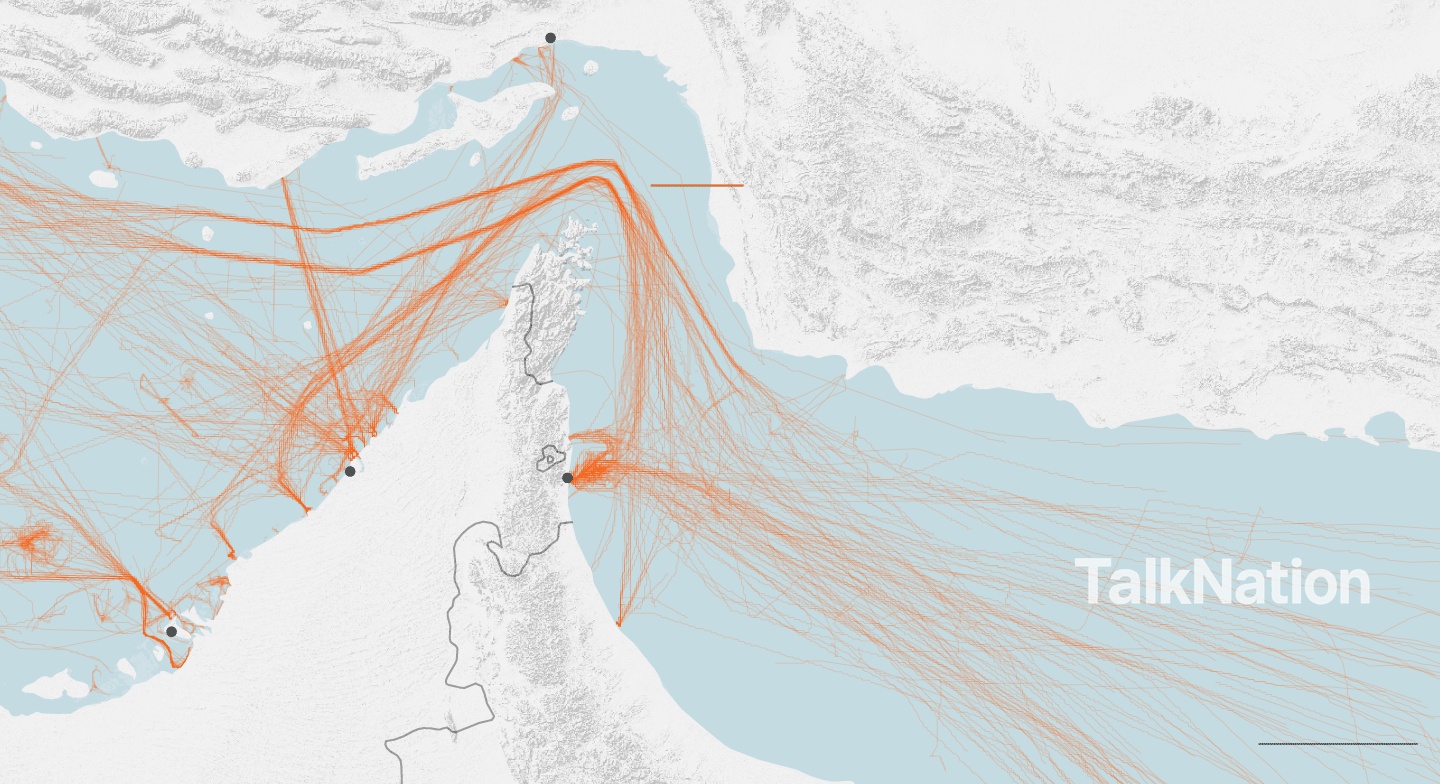
Shipping analytics from Kpler reveal the dramatic operational impact: 152 tankers now float in pre-attack holding patterns across open Gulf waters, with only three Chinese and two Iranian state-owned carriers daring passage through the strait today. "This isn't caution—it's complete shutdown," explains maritime logistics expert Dr. Aisha Rahman in an exclusive pre-dawn briefing. "With insurance costs multiplying fivefold overnight, commercial captains face choosing between bankruptcy or defying Iranian threats. The U.S. Fifth Fleet's emergency deployment hasn't restored confidence—their destroyers simply can't cover the entire 21-mile-wide corridor."
What People Are Saying
Social platforms ignited within minutes of the UKMTO's midnight bulletin, with #HormuzCrisis dominating Twitter for 6+ consecutive hours. Trading professionals flooded LinkedIn with doomsday scenarios: "Just saw Brent futures explode to $112.30—lock in your fuel contracts NOW if you can," tweeted energy analyst Marcus Chen (@OilPulse), whose thread garnered 14K+ reposts. On TikTok, maritime security specialist Samira Hassan's drone footage of anchored tankers went viral (2.7M views), captioned: "Ghost fleet of 150 ships waiting for the green light... that won't come until warplanes fly escorts." Notably, Chinese shipping forums show growing anger toward U.S. policy, with commenters blaming "American recklessness" for choking global supply chains, while Iranian accounts celebrated with missile launch animations using #AmericaPayThePrice.
Why This Matters
This isn't merely another regional flare-up—it's a direct strike on global energy infrastructure where a single day's closure represents 17 million barrels of lost supply. With Saudi Arabia and UAE already tapping emergency reserves, the real danger lies in prolonged disruption: economists warn sustained closure beyond 10 days could ignite worldwide inflation exceeding 2022's peaks, hitting developing nations hardest. While U.S. carrier groups race to establish protected corridors, today's attacks prove conventional navies struggle against asymmetric swarm tactics. The clock is ticking—every 48 hours the strait remains shuttered pushes gasoline markets closer to $5.00/gallon thresholds not seen since 2008, turning yesterday's geopolitical crisis into tomorrow's kitchen-table emergency.
FAQ
Q: How do we know which country launched these attacks?A: While Iran's IRGC publicly claimed responsibility and provided footage matching attack descriptions, UKMTO deliberately identifies projectiles as "unknown" to avoid immediate escalation. Naval analysts note the weapon's trajectory aligns with Iran's new hypersonic Qader missiles tested last month. Q: Why aren't navies escorting ships through the strait?
A: Current U.S./UK coalition patrols cover only limited corridors due to missile threat saturation. Commercial captains require 100% route security—a near-impossible task given Iran's arsenal of 3,000+ precision-guided missiles and drone swarms. Q: Will this definitely cause gas prices to spike at the pump?
A: Yes—current 8% oil price surge typically translates to 10-12% gasoline increases within 3 weeks. If attacks continue, U.S. average could hit $4.85/gallon by March 15, with European diesel facing 25% jumps. Q: Could the strait reopen within days?
A: Unlikely. Rebuilding shipping confidence requires verifiable security guarantees Iran shows no willingness to provide. Kpler analysts project minimum 14-day closure even with immediate U.S. military reinforcement.



0 Comments