

Starmer Draws Line: UK Rejects Offensive Iran Strikes But Opens Bases for 'Defensive' US Action
Exclusive analysis as PM cites Iraq lessons amid escalating regional conflict
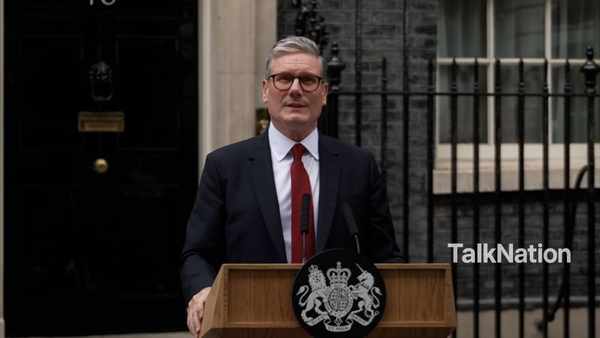
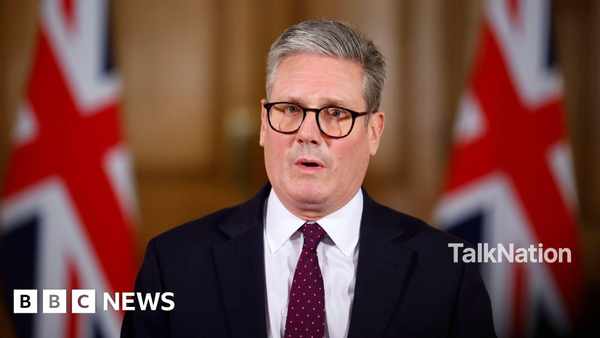
LONDON – In a high-stakes parliamentary address that reshaped Britain’s role in the Middle East crisis, Prime Minister Keir Starmer declared on Monday that the UK will not join "regime change from the skies" against Iran – while simultaneously authorizing U.S. forces to use British bases for targeted defensive operations. The dual-track decision, announced within 24 hours of Iran’s drone strike on RAF Akrotiri in Cyprus, represents a calibrated pivot reflecting both strategic necessity and hard-learned historical lessons.
"We have learned the lessons from Iraq," Starmer stated emphatically during his House of Commons appearance, his first major Middle East policy address since Saturday’s U.S.-Israel strikes killed Iran’s Supreme Leader Ayatollah Ali Khamenei. "Any UK actions must always have a lawful basis and a viable, thought-through plan." The Prime Minister confirmed British jets are already conducting defensive intercepts over Iraq, with RAF pilots successfully neutralizing an Iranian drone en route to a coalition base housing UK troops Sunday evening.
Critical context emerged overnight: Defense Secretary John Healey verified the Akrotiri base sustained "minimal damage" from Sunday night’s Iranian drone attack but confirmed British military families are being urgently relocated within Cyprus. This incident directly precipitated Starmer’s Sunday evening decision to permit limited U.S. access to UK facilities – specifically for destroying Iranian missile storage sites and launchers "at source," he stressed. "This is not offensive action," Starmer underscored. "It’s the collective self-defense of longstanding allies and the protection of 200,000 British citizens across the Gulf region."
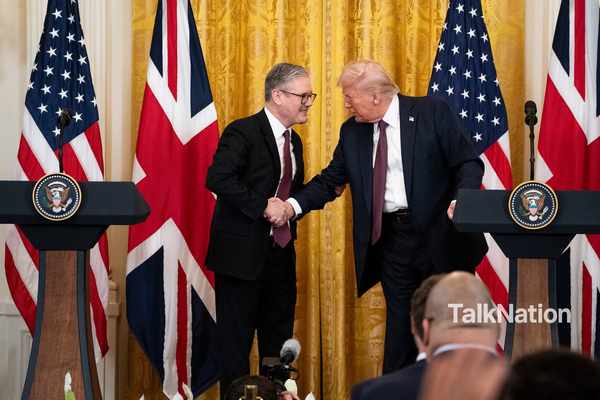
The move comes after intense transatlantic friction. Sources confirm President Trump privately called Starmer’s earlier refusal to allow Diego Garcia for Saturday’s initial strikes "very disappointing," forcing the PM to publicly justify his legal caution. The UK’s published legal position now centers on Article 51 of the UN Charter, with joint backing from France and Germany who co-signed Sunday’s statement endorsing "necessary and proportionate defensive action." Notably, Starmer maintained Britain abstained from the initial offensive wave targeting Khamenei, with Downing Street sources insisting the strikes lacked sufficient post-conflict planning – a direct echo of the 2003 Iraq War critique.
Analysts interpret this as a deliberate containment strategy. "Starmer is threading the needle between U.S. pressure and domestic wariness," noted Dr. Aisha Rahman, Middle East security fellow at Chatham House. "By authorizing only defensive base access while blocking offensive participation, he avoids repeating Blair’s errors while preserving the special relationship." With Iranian retaliation warnings escalating and British citizens concentrated in UAE targets, the PM’s "defensive-only" firewall faces immediate operational tests as coalition forces monitor new missile mobilizations near the Strait of Hormuz.



0 Comments