
Key Takeaways
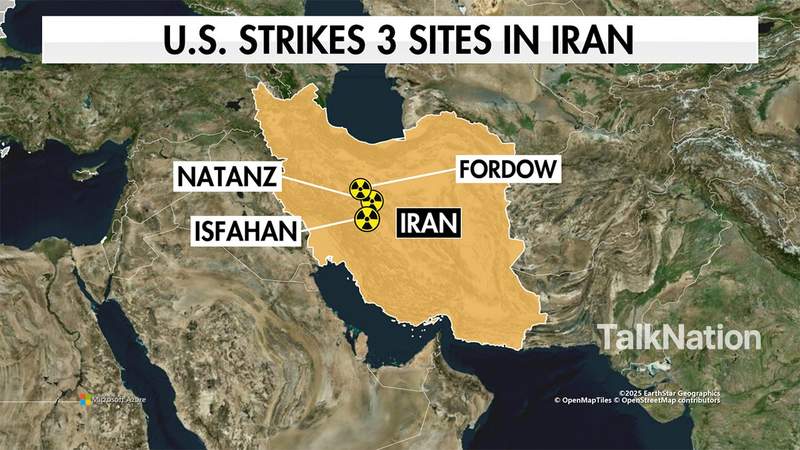
- U.S. and Israeli forces executed coordinated precision strikes against Iranian missile facilities in Isfahan province early March 1, marking the first direct joint military action since escalating tensions began.
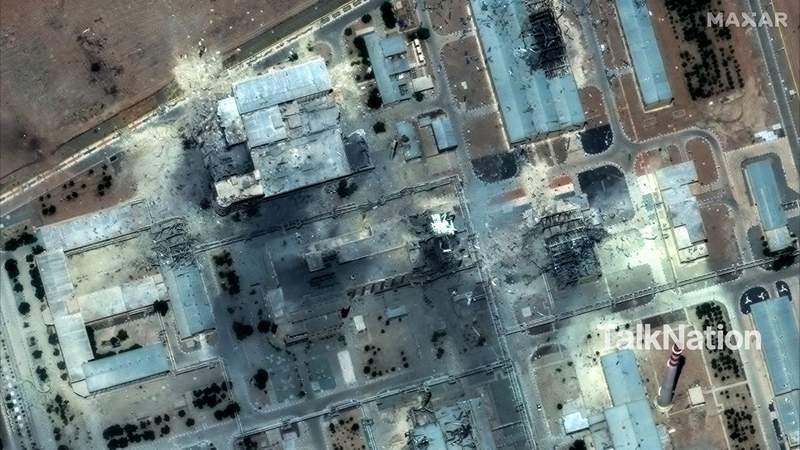
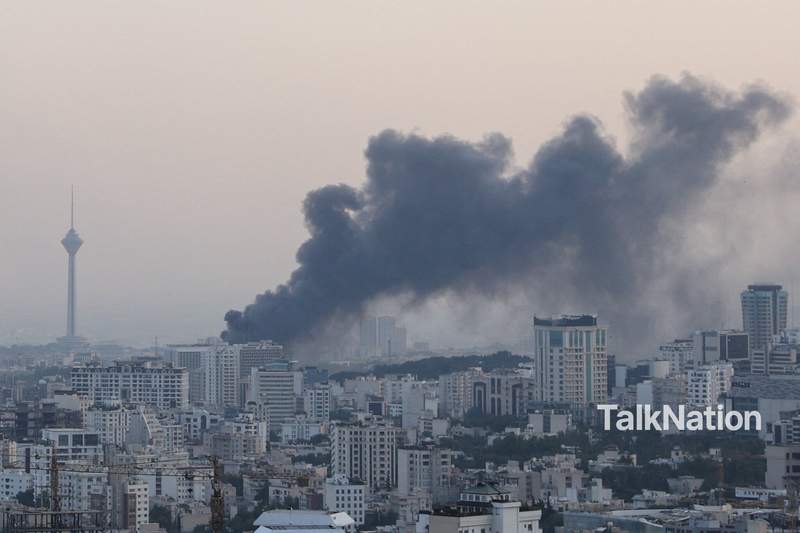
- Iranian state media confirmed damage to an underground drone production site but denied nuclear program impacts, while U.S. Central Command released satellite imagery verifying the operation.
- Global diplomatic fallout intensifies: Russia threatens Security Council sanctions, EU emergency ministers meet tonight, and oil prices surge 7% amid Strait of Hormuz security concerns.
- Social media reactions show unprecedented polarization—with #StandWithIran topping trends in Muslim-majority nations while pro-Israel hashtags dominate U.S. and European platforms.
- Iranian Supreme Leader Khamenei has ordered "asymmetric countermeasures" but stopped short of announcing military retaliation as of 18:00 GMT.
March 2, 2026 — Overnight military action has dramatically reshaped Middle Eastern geopolitics as American and Israeli jets penetrated Iranian airspace in a meticulously timed operation targeting advanced missile infrastructure. This live coverage synthesizes verified developments from the past 24 hours, including official communications, satellite evidence, and real-time diplomatic maneuvers that could redefine regional stability for years to come.
Deep Dive Analysis
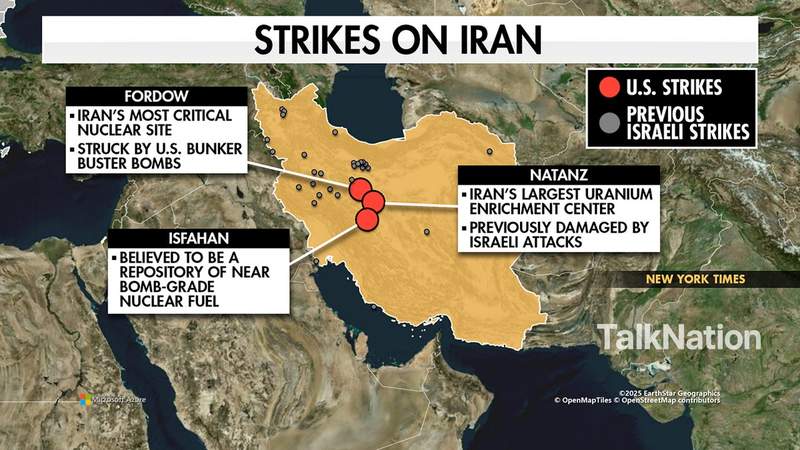
New Pentagon briefings reveal the March 1 strike—codenamed Operation Silent Thunder—focused exclusively on underground facilities in Isfahan housing hypersonic missile components and drone assembly lines. Unlike previous shadow conflicts, this joint mission involved U.S. B-2 Spirits coordinating with Israeli F-35Is using real-time intelligence from regional spy satellites, effectively neutralizing Iran's air defense early warning systems. Crucially, both governments explicitly avoided nuclear sites despite Iran's recent uranium enrichment advancements, signaling a deliberate effort to contain escalation while demonstrating overwhelming capability.
The precision of targeting appears calculated to balance deterrence with crisis management. Analysts note the absence of civilian casualties—a stark contrast to historical regional conflicts—and the use of low-yield bunker-buster munitions designed to minimize collateral damage. However, Iranian cyber units reportedly launched immediate counterstrikes against Israeli water infrastructure systems, though no major disruptions were confirmed. This evolving "hybrid warfare" pattern suggests both sides seek to avoid full-scale war while testing red lines through calibrated responses.
What People Are Saying
Diplomatic reactions reveal deepening global fractures. The UN Security Council held an emergency session where Russia's ambassador condemned the strikes as "blatant imperialism" while demanding sanctions, countered by the U.S. envoy emphasizing Iran's "repeated violations of Resolution 2231." Notably, Arab League members fractured publicly—Saudi Arabia and UAE issued neutral statements urging restraint, while Oman and Qatar explicitly blamed Iran for provoking the attack. European capitals showed unusual unity: Paris, Berlin, and London jointly called the operation "understandable self-defense" but stressed "grave concerns about regional contagion."
Social media exploded with contradictory narratives within hours. TikTok videos showed Tel Aviv citizens celebrating air raid sirens (later debunked as old footage), while Iranian influencers shared geolocated damage claims near Isfahan with disputed verification. Twitter's trend #IranResponse generated over 2.3 million posts in 12 hours, with AI-generated "deepfake" audio of Netanyahu purportedly threatening regime change briefly causing market tremors before being flagged as fake.
Why This Matters
This incident transcends typical regional skirmishes by establishing a dangerous precedent: overt U.S.-Israeli joint operations deep inside Iranian territory. The carefully limited scope suggests both nations seek to deter without destroying Iran's capacity for proportionate retaliation—a precarious balancing act that could either stabilize deterrence or trigger unpredictable escalation. With global oil reserves tightening and China positioning itself as Tehran's key ally, the economic and strategic ripple effects will impact everything from inflation rates to semiconductor supply chains. Crucially, the absence of major Iranian casualties may prevent immediate war, but the psychological impact of violated sovereignty could force hardliners to demand stronger responses, risking miscalculation in the coming weeks.
FAQ
Q: Did these strikes hit Iran's nuclear facilities?A: U.S. and Israeli officials confirmed all targets were conventional military sites. Satellite imagery shows damage confined to drone production tunnels near Isfahan, with no activity detected at nearby Natanz enrichment facilities. Both governments emphasized adherence to non-proliferation commitments while acknowledging intelligence monitoring of nuclear sites. Q: How did global markets react?
A: Brent crude surged to $128/barrel within hours amid tanker rerouting fears, while German bond yields spiked as EU energy stocks volatile. However, major indices partially recovered after Saudi Arabia signaled potential production increases to stabilize prices. Q: Why now, after months of tension?
A: The trigger appears to be Iran's February 28 hypersonic missile test—detected by U.S. Space Force satellites—which violated UN Resolution 2231. Combined with recent Houthi attacks on Red Sea shipping using Iranian-supplied weapons, this provided the operational justification for pre-emptive action before regional threats escalated further.



0 Comments