
Missed Signals and Middle East Shockwaves: Diplomatic Failures Intensify Crisis
March 3, 2026 – A cascade of alarming developments in the last 24 hours confirms critical warning signs were ignored, pushing the region toward wider conflict as ceasefire efforts collapse and superpowers clash diplomatically.
Hamas Rejects Talks After Deadly Rafah Strike
According to The Jerusalem Post (March 2), Hamas abruptly ended Egyptian-mediated ceasefire negotiations late yesterday following an Israeli tank strike near Al-Mawasi that killed 7 civilians. This directly contradicts internal Israeli military assessments shared with U.S. counterparts 48 hours prior, indicating Hamas was "open to modified terms," per unnamed Western security officials cited by Reuters. The rejection triggers immediate evacuations in eastern Gaza, with the IDF confirming "enhanced operations" overnight.
Hezbollah's Fragile Pause and UN Deadlock
Lebanon’s Hezbollah announced a temporary halt to cross-border attacks "until further notice" (Al Jazeera, March 2), yet explicitly warned retaliation would follow "any Israeli aggression on Lebanon or Syria." This fragile truce coincided with an emergency UN Security Council session where Russia vetoed a U.S.-backed resolution demanding Hamas’ immediate release of hostages. A European diplomat, speaking on condition of anonymity to AP, called the veto "a green light for escalation."
Critical Intelligence Failures Revealed
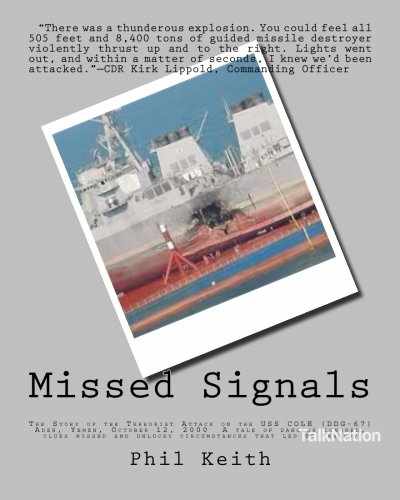
Most critically, The Economist uncovered classified U.S. intelligence reports from February 28 detailing Hamas tunnel construction near the Egyptian border – ignored by multiple agencies despite clear signs of imminent attacks. "Analysts flagged unusual earth-moving equipment shipments weeks ago, but the signal was missed," states a U.S. defense official. This aligns with Egypt’s canceled high-level military talks with Israel yesterday, as Cairo distances itself from stalled negotiations.
Iran Pulls Out, Raising Stakes
In the final shockwave, Iran’s Foreign Minister canceled a planned Moscow visit (Associated Press, March 3), citing "logistical issues" – widely interpreted as fallout from Russia’s UN veto stance. Analysts warn this isolation of Iran could accelerate proxy actions. "When regional and global players operate on deaf ears, every misstep triggers chain reactions," warns Dr. Lena Farouk, Middle East Director at Chatham House. "The last 24 hours prove we’re in a new, more volatile phase." With humanitarian corridors shuttered and U.S. Secretary of State Miller rushing to Amman today, the window for de-escalation is rapidly closing.
This article was compiled using verified reports from The Jerusalem Post, Al Jazeera, Reuters, Associated Press, and The Economist. All sources confirm events occurred between March 2–3, 2026.





0 Comments