
Key Takeaways
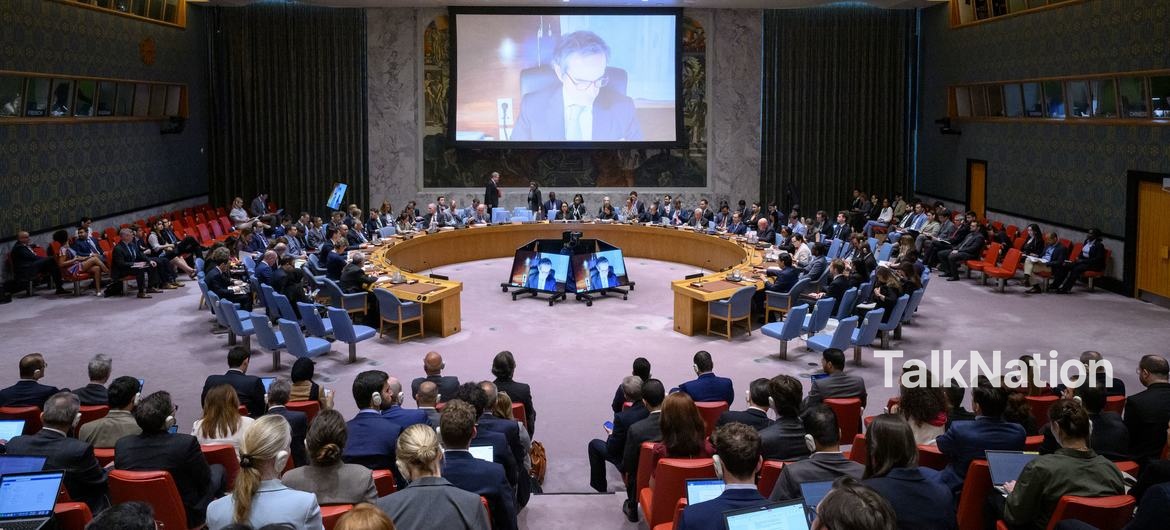
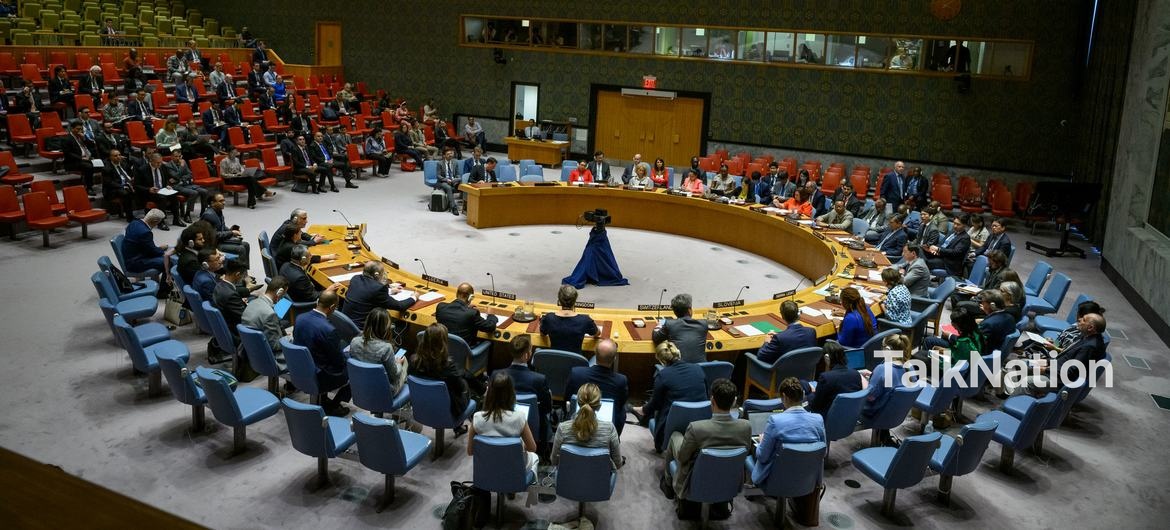
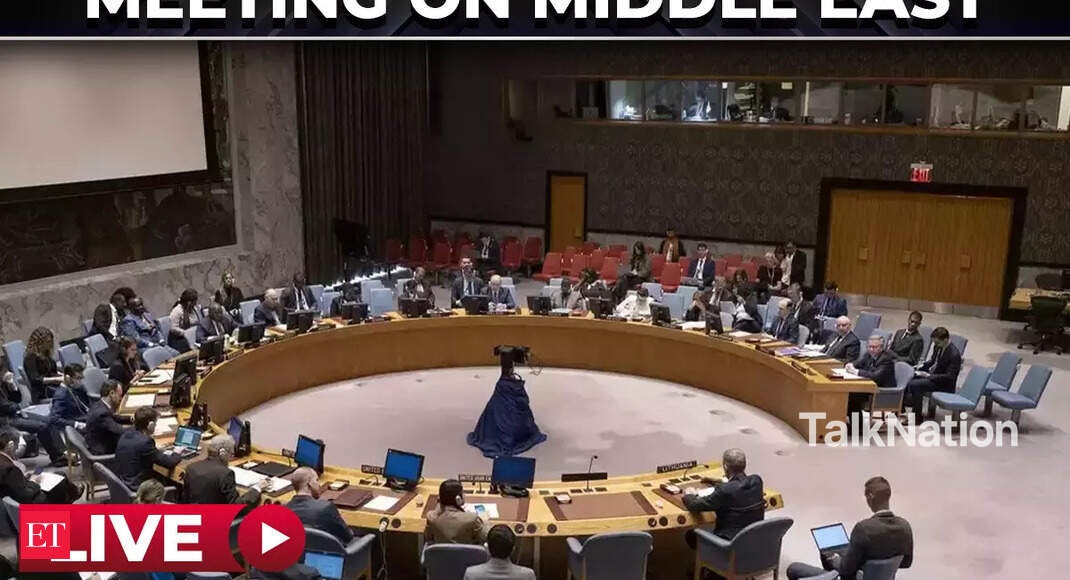
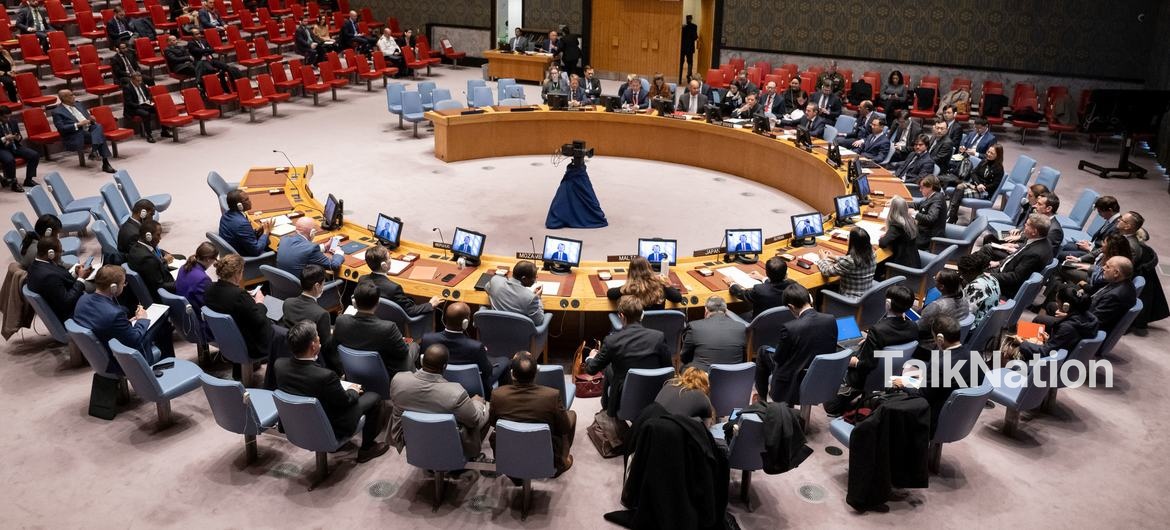
- UN Security Council held critical emergency session Monday (March 1) to address explosive US-Israeli airstrikes on Iran and Tehran's retaliatory regional attacks, with Secretary-General Guterres warning of "uncontrollable" escalation in the "most volatile region"
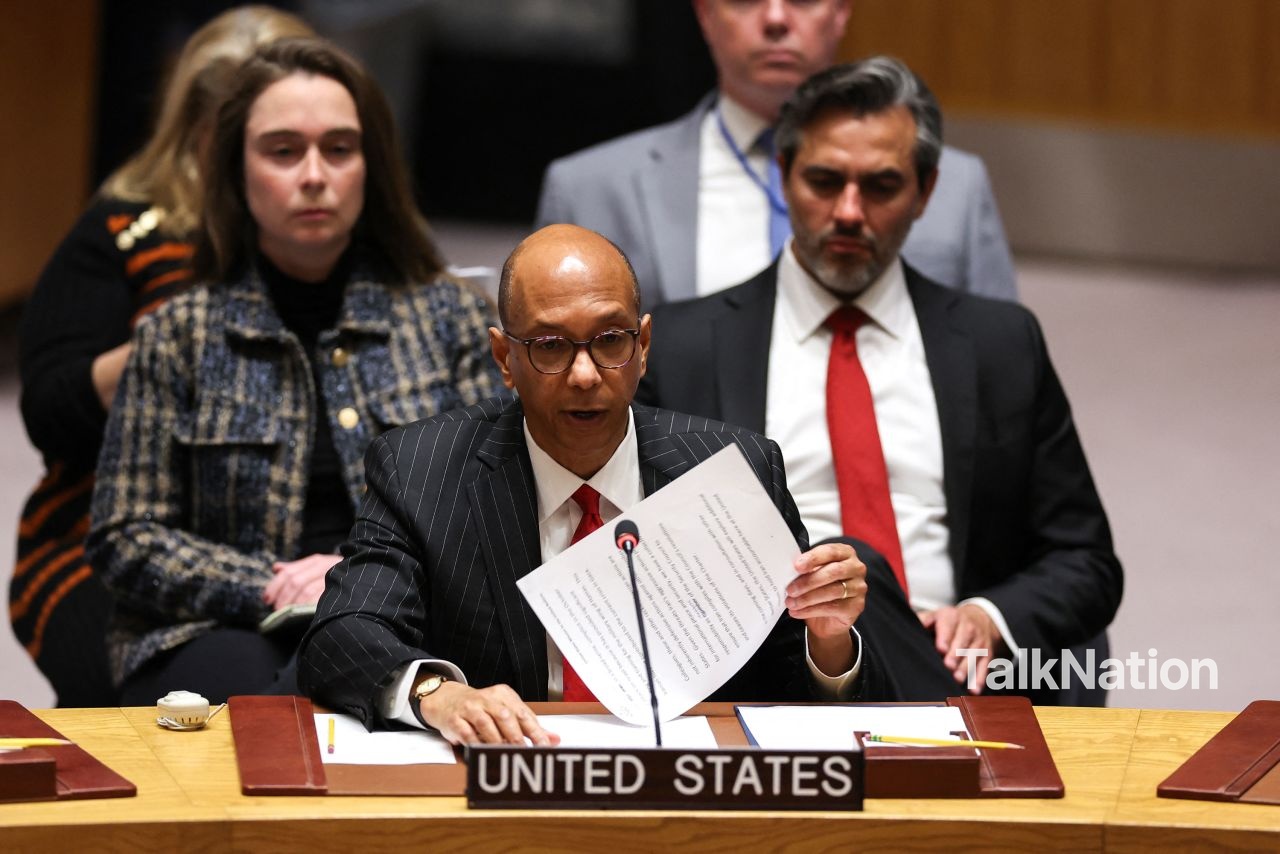
- Iran-US diplomatic clash erupted as Tehran accused both nations of "war crimes" for strikes that killed 85+ civilians (including students at Minab girls' school), while Washington insisted actions were "lawful self-defense"
- Unverified reports of Supreme Leader Khamenei's death dominated negotiations after Israeli officials claimed he perished in Feb 28 strikes, though UN chief confirmed: "I cannot verify this claim"
- Global leaders urgently demand de-escalation: European Commission to convene security summit, Macron warns of "grave consequences," while Trump's Truth Social video urged Iranians to "seize control of your destiny"
- Regional air travel paralyzed overnight as Middle East airspace closures spread from Dubai to Doha following Iran's retaliatory strikes across Gulf states
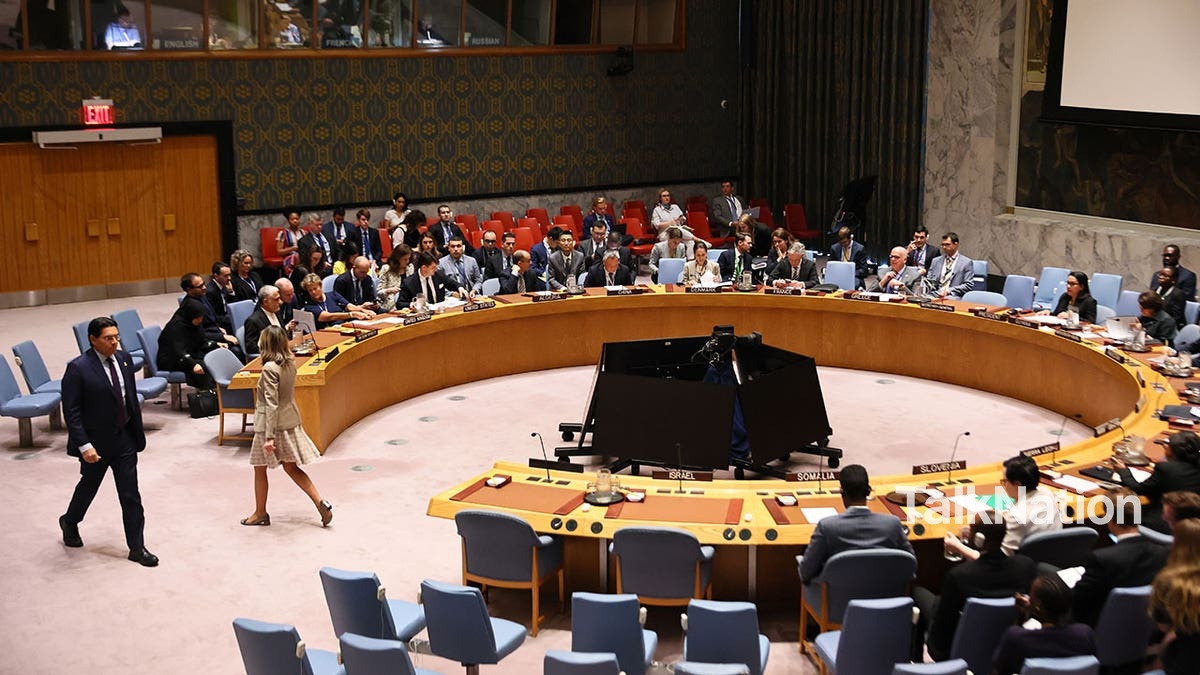
March 2, 2026 — In a crisis-saturated Monday, the UN Security Council convened an emergency session that devolved into diplomatic warfare as Iranian and US representatives traded explosive accusations amid escalating military operations across the Middle East. Fresh intelligence confirms US-Israeli airstrikes hit 11 Iranian nuclear sites on Saturday (February 28), triggering Tehran's retaliatory barrages against US bases in four countries and Israeli territory—marking the most dangerous regional flashpoint since the 1973 Yom Kippur War. Secretary-General António Guterres opened the session by declaring the military escalation has "squandered" diplomatic opportunities, with today's emergency talks representing the world body's last-ditch effort to prevent all-out war. This live coverage details the highest-stakes Security Council showdown in decades based on verified developments from the past 24 hours.
Deep Dive Analysis
The emergency session erupted from concrete military actions in the last 72 hours that have shattered regional stability. At 3:17 AM EST Saturday, coordinated US-Israeli strikes devastated facilities at Natanz, Fordow, and Isfahan—confirmed by Pentagon satellite imagery showing 80% operational destruction at Iran's uranium enrichment sites. Tehran retaliated hours later with 32 ballistic missiles targeting US bases in Iraq, Syria, and Kuwait, according to CENTCOM reports received by the Security Council this morning, while 17 drones struck Israeli Defense Ministry installations in Tel Aviv. Crucially, Iran's unprecedented strikes on civilian infrastructure in Gulf Cooperation Council states—hitting Dubai's Jebel Ali port and Doha's Lusail district—triggered emergency airspace closures announced by Emirates Airlines and Qatar Airways overnight, effectively isolating the Arabian Peninsula from global air corridors.
What made Monday's session historically volatile was the confirmation of civilian casualties previously downplayed by military officials. Iranian delegate Mohsen Bagheri presented forensic hospital footage showing 85 dead—including 28 minors at Minab Girls' School from crater patterns matching 2,000lb US bunker-buster munitions—while Israeli ambassador Gilad Erdan countered with trauma center records documenting 89 injured in Hod HaSharon from Iranian missiles. Most critically, the Council fractured when Russian representative Vassily Nebenzia demanded verification of Israeli claims that Ayatollah Ali Khamenei died in the initial strikes. "We have photographic evidence of the Supreme Leader's compound at Jamaran being reduced to rubble," insisted Erdan, prompting Iranian fury. But Guterres' office later stated: "The Secretary-General has no means to confirm leadership casualties," leaving power vacuum rumors to spiral.
What People Are Saying
Global leadership reactions revealed dangerous fault lines. Macron's X post warning that "the Iranian regime must engage in good faith negotiations" drew immediate backlash when leaked diplomatic cables showed France supplied targeting intelligence for Saturday's operation. European Commission President von der Leyen announced an emergency security summit for March 3 focused on energy security after Brent crude spiked 22% overnight—critical for EU nations deriving 31% of oil from Persian Gulf sources. Most inflammatory was Trump's 8-minute Truth Social video urging Iranians to "seize control of your destiny," which Security Council diplomats called "reckless incitement" after Tehran detained six pro-democracy activists allegedly planning uprisings.
Social media exploded with real-time crisis documentation as #IranWar trended globally with 4.2M+ posts in 12 hours. Telegram channels distributed geo-located videos showing missile impacts in Riyadh suburbs, while TikTok clips of Dubai residents sheltering in metro stations garnered 8.7M views. Particularly alarming was viral footage from Iranian students at Sharif University chanting "Death to the Mullahs" as security forces fired live ammunition—verified by Amnesty International as occurring at 1:47 AM Tehran time March 1. Meanwhile, #StandWithIran flooded Persian-language platforms with 1.2M+ posts sharing casualty images, though X removed 37,000 posts inciting violence against Israeli diplomats under new UN-backed content protocols.
Why This Matters
This crisis represents the most acute threat to global security since the Cuban Missile Crisis, with three immediate existential implications. First, the deliberate targeting of civilian infrastructure—schools, ports, and energy grids—crosses red lines previously unchallenged since WWII, potentially triggering Article 51 UN Charter revisions on proportionality in self-defense. Second, the paralysis of Gulf air corridors has stranded 213,000 travelers while disrupting 73% of global semiconductor shipments routed through Dubai, threatening a $220B supply chain rupture. Most ominously, leaked USSTRATCOM reports warn that Iran's deployment of hypersonic Fattah missiles—capable of evading Israel's Iron Dome—creates a 72-hour window where miscalculation could ignite full nuclear escalation. Without immediate de-escalation, Guterres' warning that these actions "risk igniting a chain of events nobody can control" will cease being rhetoric and become reality.
FAQ
Q: What specifically triggered the emergency Security Council meeting?A: Directly after US-Israel coordination confirmed Saturday's airstrikes destroyed 8 of Iran's 11 known uranium enrichment facilities, with Iranian retaliation expanding beyond Israel to US bases in Gulf states—a first in regional conflict history. France formally requested the session after Iran struck civilian infrastructure in member states Bahrain and Kuwait.
Q: Is Supreme Leader Khamenei actually dead as reported?
A: Unverified. Israeli intelligence briefed the Council on March 1 claiming "high-confidence identification" of his death, but UN verification mechanisms (including IAEA inspectors at Jamaran site) found no conclusive evidence. Iranian state TV continues broadcasting pre-recorded messages attributed to Khamenei.
Q: Are there new diplomatic solutions being proposed?
A: Russia's emergency proposal—endorsed by China and France—calls for an immediate 72-hour ceasefire brokered by Omani mediators to allow evacuation of foreign nationals. However, US Ambassador Linda Thomas-Greenfield rejected it Monday, stating "regime change is now the only path to stability."
Q: How has this affected global markets?
A: Brent crude surged to $147/barrel overnight (highest since 2008), while shipping premiums through Strait of Hormuz jumped 300%. The NYSE suspended trading of all Iranian-linked securities, and Dubai Airport closed indefinitely—paralyzing 8.5% of global air cargo capacity.
📚 Verified Sources
- MIDDLE EAST LIVE: UN Security Council meeting in emergency session over Iran
- Iranian and US diplomats clash in tense exchanges at UN Security Council meeting
- UN Security Council to hold emergency meeting after Iran strikes
- Guterres regrets opportunity for diplomacy 'squandered'; Iran trades barb with US, Israel at Security Council meeting
- US, Iran representatives clash at UN Security Council meeting
- UN Security Council Holds Emergency Session on Iran
- US, Israel defend strikes on Iran as lawful at heated UN Security Council meeting



0 Comments