
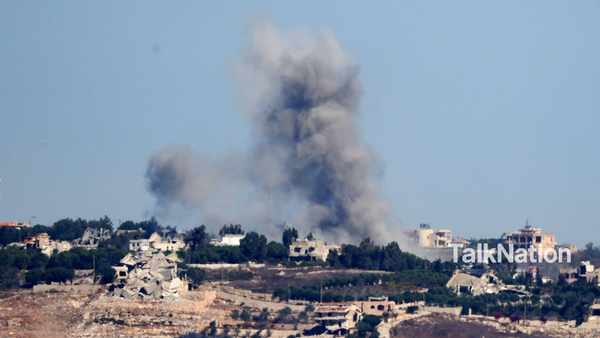
EXCLUSIVE: Israel Unleashes Unprecedented Strikes on Beirut and Southern Lebanon After Hezbollah Violates Ceasefire
By [Senior Editor] | Beirut, March 2, 2026 | 8:45 AM GMT
Israel has launched its most intense bombardment campaign against Lebanon in over two years following Hezbollah's first direct attack on Israeli territory since the November 2024 ceasefire, according to multiple sources confirming the rapidly escalating conflict.
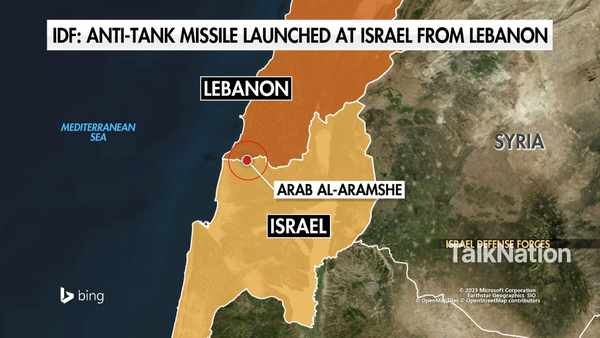
At approximately 3:00 AM local time today, Hezbollah fired "a barrage of high-quality missiles and a swarm of drones" toward a military installation south of Haifa in what the group explicitly described as "retaliation for the pure blood" of Iran's Supreme Leader Ayatollah Ali Khamenei, who was killed in U.S.-Israeli strikes on Tehran Saturday. This marked the first time in 16 months that the Iran-backed militant group has claimed responsibility for an attack against Israel.
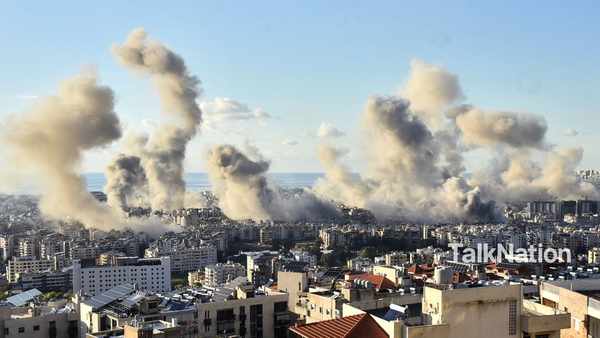
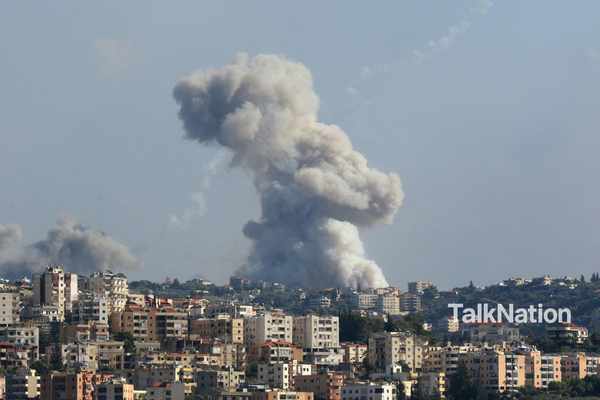
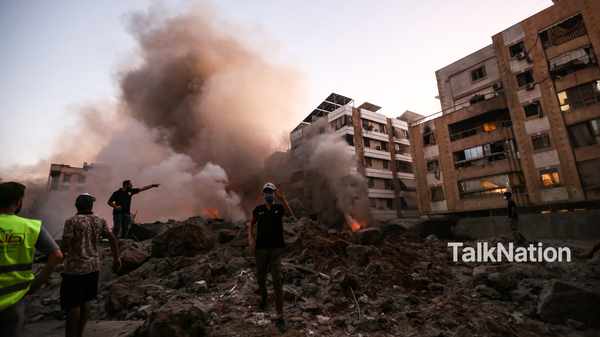
Israel's military responded with overwhelming force within hours, conducting dozens of coordinated airstrikes across Beirut's southern suburbs (Dahiyeh) and multiple locations in southern Lebanon. The Lebanese Ministry of Public Health has confirmed at least 31 fatalities - 20 in Beirut's suburbs and 11 in southern regions - with 149 others wounded in what officials describe as "the most severe bombardment since the 2024 conflict."
"This situation for me is normal. We accept any aggression. We accept death. We either die with honour and dignity, or let us not die at all," said Nader Hani Akil, a displaced resident quoted by Al Jazeera while standing outside a makeshift shelter at Jaber Ahmad al-Sabah school in Beirut, where families huddled beneath the constant drone of overhead aircraft.
Massive Military Escalation Underway
In a significant military escalation, the Israeli Defense Forces announced today the activation of 100,000 reservists - described as "dozens of battalions, brigades, and divisions" - many destined for deployment along the northern border with Lebanon. Brig. Gen. Effie Defrin, IDF spokesman, confirmed during a press briefing: "Hezbollah opened fire last night. We warned it. It will pay a heavy price. The strikes continue, their intensity will increase."
When asked whether Israel was preparing for a broader ground incursion into Lebanon, Defrin stated: "All options are on the table. We are conducting ongoing situation assessments." This comes as Israel maintains five occupied observation posts across the border in southern Lebanon.
Unprecedented Evacuation Orders
In what military analysts describe as preparation for expanded operations, the Israeli military issued emergency evacuation warnings affecting more than 50 towns and villages across eastern and southern Lebanon. Residents were instructed to move at least 1,000 meters away from their villages into open areas.
The evacuation orders triggered scenes reminiscent of Lebanon's darkest conflict periods, with residents fleeing in bumper-to-bumper traffic, on motorcycles, and on foot carrying hastily packed belongings. An AFP journalist in Sidon reported "huge lines of cars packed with families escaping the attacks" throughout the coastal region.
Lebanese Government Takes Unprecedented Action
In a dramatic shift from its traditional stance, the Lebanese government announced today it has outlawed Hezbollah's security and military activities and ordered the arrest of those responsible for the rocket strikes against Israel. Prime Minister Nawaf Salam characterized Hezbollah's action as "an irresponsible and suspicious act" that gave Israel "excuses" to ramp up its attacks.
United States officials have reportedly informed Lebanon that they consider the November 2024 ceasefire to be officially terminated and will not intervene to stop Israel's current military campaign. According to MTV Lebanon, American representatives demanded that Lebanon's government formally designate Hezbollah as a "terrorist organization," warning that "otherwise, there will be no distinction between the two."
Regional Conflict Expands
This escalation comes amid rapidly deteriorating regional stability following the U.S.-Israeli military campaign against Iran that began Saturday. Defense Secretary Pete Hegseth stated during Monday's briefing: "We didn't start this war, but under President Trump, we are finishing it." His comments came as the death toll from regional fighting rose to at least 555 in Iran and 11 in Israel, according to the latest reports.
Military analysts at the Washington Institute for Near East Policy warn that Hezbollah's decision to enter the conflict could trigger a full-scale regional war that would dwarf previous Israel-Lebanon conflicts in both scale and duration. "Hezbollah just restarted the fight that Israel was waiting to finish," noted Middle East security analyst Oren Liebermann in a CNN analysis this morning.
Humanitarian Crisis Deepens
With hospitals overwhelmed and power outages reported across multiple regions, international aid organizations are sounding alarms about an emerging humanitarian catastrophe. The International Committee of the Red Cross reported "critical shortages of blood supplies and trauma care capacity" at major medical facilities in southern Beirut.
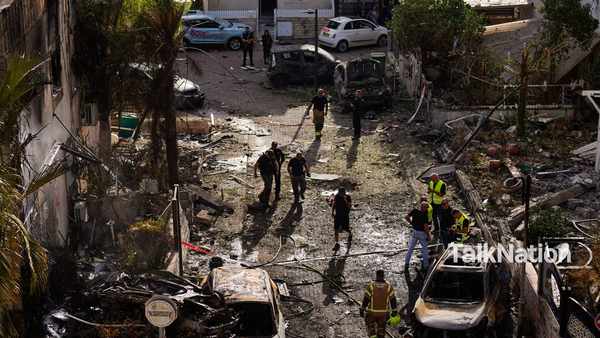
As dawn broke over Lebanon today, smoke continued to rise from multiple strike sites across the capital's southern suburbs, where at least two buildings suffered direct hits to their upper floors. Firefighters battled blazes while rescue teams searched through rubble for potential survivors.
The United Nations Security Council is expected to convene an emergency session later today as global leaders express growing concern about the conflict's potential to spiral beyond containment. With both sides signaling determination to escalate rather than de-escalate, Lebanon appears poised to become the newest major battleground in what is rapidly becoming a multi-front regional war.
📚 Verified Sources
- Iran War Spreads Across Region As Israel Strikes Hezbollah
- Israel intensifies war on Lebanon after Hezbollah attack
- Israel kills 31 in Lebanon, vows to expand strikes after Hezbollah fire
- Hezbollah just restarted the fight that Israel was waiting to finish
- Israeli military urges 50 villages in Lebanon to evacuate ahead of possible strikes
- The Latest: Iranian-backed militias join fight as war on Iran widens
- Israel launches strikes on Beirut after Hezbollah fires missiles
- The Latest: Iranian-backed militias join fighting as conflict widens and intensifies
- Iran live updates: 4th US service member dies from injuries



0 Comments