
India and Canada Seal Historic Uranium Deal, Target $50 Billion Trade by 2030
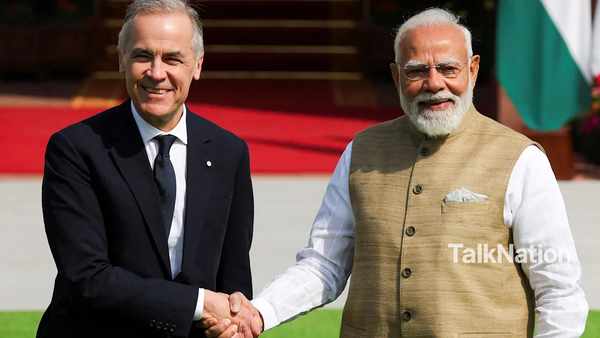
NEW DELHI, March 3, 2026 – Fresh from yesterday’s breakthrough talks, India and Canada have formally reset strained relations with a binding uranium supply agreement and concrete plans to quintuple bilateral trade within four years. The developments mark the most significant diplomatic turnaround since ties collapsed in 2023.
In a move described as "immediate and actionable" by energy analysts, Canadian Prime Minister Mark Carney and Indian Prime Minister Narendra Modi signed the uranium cooperation framework during Carney’s first visit to New Delhi since taking office last year. The CAD$2.6 billion (US$1.9 billion) deal guarantees long-term uranium shipments from Canada—home to 10% of global reserves—to fuel India’s expanding nuclear grid. This directly supports India’s urgent mission to grow nuclear capacity from 8 gigawatts today to 100 gigawatts by 2047.
"We struck a landmark deal for long-term uranium supply," PM Modi confirmed at Monday’s joint press conference, adding that both nations will now collaborate on small modular reactors—a critical technology for clean energy. PM Carney emphasized Canada’s role as a "reliable supplier," noting the agreement anchors a new "strategic energy partnership" that also includes LNG exports from Canada’s Pacific coast.
The breakthrough extends far beyond energy. In a previously unannounced detail revealed yesterday, both leaders committed to finalizing a Comprehensive Economic Partnership Agreement (CEPA) by December 2026, with an aggressive target to boost annual trade from $9 billion today to $50 billion by 2030. The deal covers critical minerals for India’s electronics and nuclear sectors, where Canada holds vast lithium and cobalt deposits.
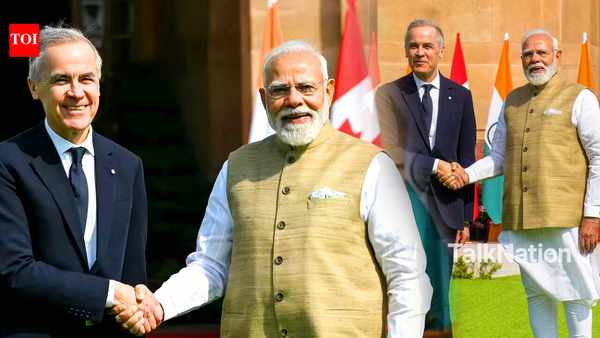
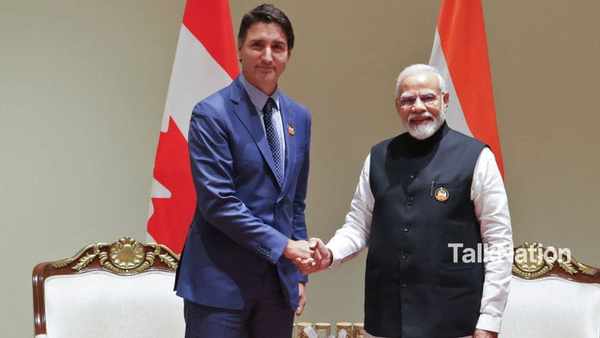
Diplomatic sources confirm these agreements directly undo the damage from 2023, when Canada’s previous government severed cooperation amid unproven allegations linking India to the death of a Sikh activist. Yesterday’s handshake-filled meetings—including defense industry talks and joint counterterrorism pledges—signal a complete reversal. "This isn’t just renewal," Carney stated plainly. "It’s a partnership with new ambition." Notably, Carney departs today for Australia and Japan, cementing this reset as the cornerstone of Canada’s new Indo-Pacific trade strategy.
Global markets reacted swiftly: India’s nuclear energy stocks surged 7% overnight, while Canadian uranium miner Cameco hit a 52-week high. With India needing to add 22 nuclear reactors by 2031, this deal eliminates a major bottleneck in Delhi’s clean energy transition. For Canada—a nation urgently diversifying beyond U.S. trade—it unlocks a $5 trillion economy hungry for resources. As one trade negotiator put it: "They didn’t just mend fences. They built a highway."
📚 Verified Sources
- India, Canada seal $2.6b uranium deal
- India, Canada sign Rs 24,000-crore uranium deal: How it could power New Delhi's nuclear ambitions | Explained
- PM Modi, Carney discuss long-term Uranium supply, set $50 Billion India-Canada trade goal — 5 key takeaways
- Why the India-Canada reset matters as uranium deal revives stalled ties
- India and Canada reset ties with 'landmark' nuclear energy deal
- India and Canada strike 'landmark' uranium supply deal
- India, Canada Expand Nuclear Ties, Accelerate Trade Talks
- India and Canada agree series of deals as Carney and Modi reset ties in Delhi
- India and Canada Set Sights on Free Trade Agreement Amid Diplomatic Reset
- 'Important milestone': India and Canada seal landmark uranium deal and Rs 4.1 lakh crore trade vision



0 Comments