
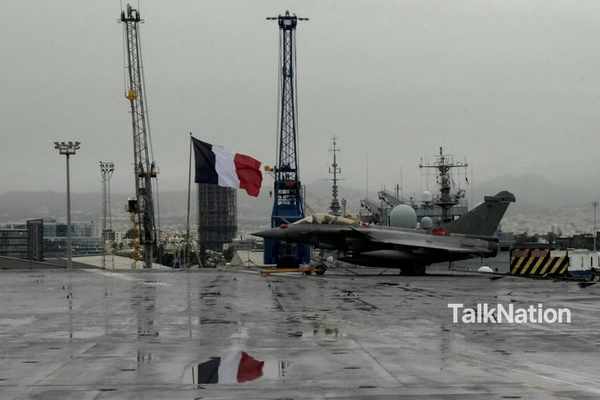
France Unveils Nuclear Overhaul: Arsenal Expansion and European 'Advanced Deterrence' Take Shape at Île Longue
| Exclusive Report
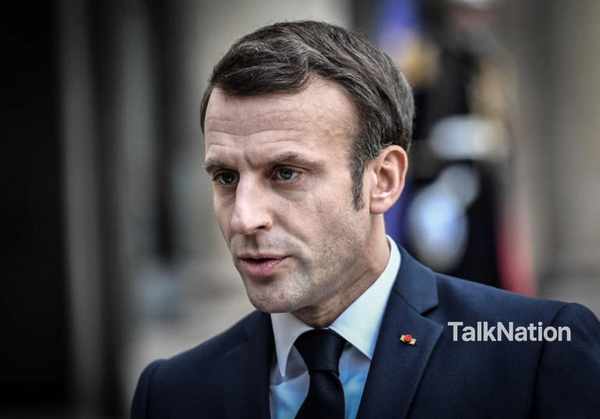
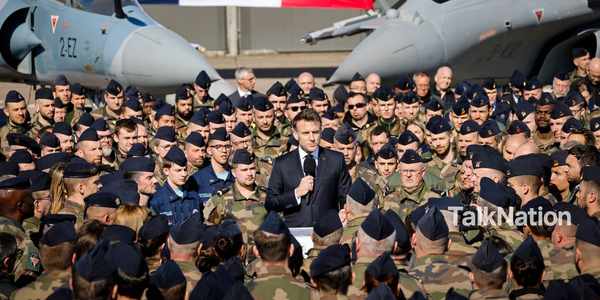
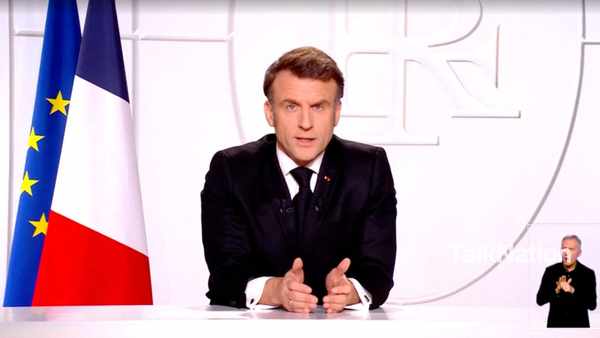
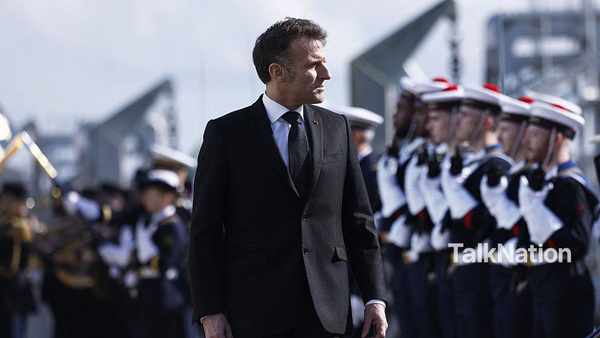
BRITTANY, FRANCE — In a landmark address delivered today at France’s nuclear submarine base in Île Longue, President Emmanuel Macron announced a sweeping transformation of the nation’s nuclear strategy, including a confirmed expansion of its warhead stockpile and the creation of a new "advanced deterrence" framework to involve eight European allies. This marks the most significant evolution of French nuclear doctrine since Charles de Gaulle’s 1960 foundation, directly addressing European security anxieties amid shifting U.S. commitments and Russian aggression.
Core Announcements: Beyond the Red Lines
Standing before the ballistic missile submarine *Le Téméraire*, Macron declared: "The next 50 years will be an era of nuclear weapons", confirming France will increase its current arsenal of approximately 300 warheads—a first adjustment since 2015. Key operational shifts include:
- A new nuclear-armed submarine, *L’Invincible*, slated for 2036 deployment
- Temporary stationing of France’s Strategic Air Forces (FAS) at allied European air bases
- Joint "force de frappe" exercises with Germany, Poland, the UK, Netherlands, Belgium, Greece, Sweden, and Denmark
- Shared development of auxiliary capabilities: space-based early-warning systems, counter-drone defenses, and long-range missiles
"To be free, one needs to be feared," Macron stated bluntly, adding that dispersing assets across the continent would "complicate adversaries’ calculations" amid Russia’s Ukraine invasion and unpredictable U.S. security guarantees.
What Europe Gets (and Doesn’t)
Critical boundaries were clarified in Macron’s speech:
✅ NATO-compatible access: Allies gain participation in nuclear exercises and host French assets, but without operational control. German Chancellor Friedrich Merz announced immediate creation of a "nuclear steering group" with France, including German conventional forces joining French drills.
❌ No shared triggers: Macron reaffirmed the president of France retains "sole decision-making power" over nuclear strikes—echoing de Gaulle’s principle. There is "no explicit guarantee" for allies, though attacks on "vital interests" now implicitly extend across Europe.
🇪🇺 U.S. signal: While deepening coordination with Britain (which called the move "strategically essential"), Paris emphasized transparency with Washington amid Trump’s Russia overtures. A senior French defense official noted: "This isn’t undermining NATO—it’s filling gaps when American reliability is questioned."
Real-World Reactions: From Warsaw to Berlin
Reactions crystallized within hours of the speech:
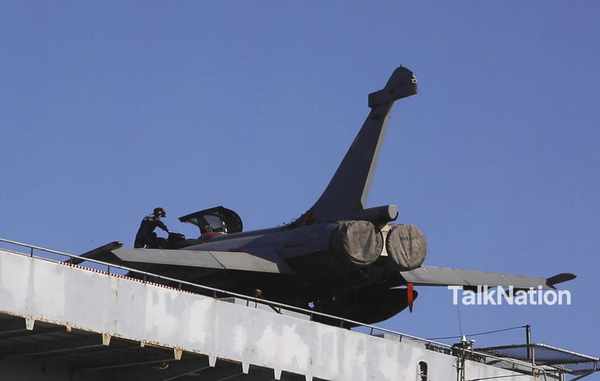
- Poland: Prime Minister Donald Tusk tweeted: "We are arming up together with our friends so enemies never dare attack us." Polish negotiators confirmed advanced talks on hosting Rafale jets with ASMP-A nuclear missiles.
- Germany: Joint statement with France pledged "joint visits to strategic sites" by 2026’s end, calling this "a new pillar of European sovereignty."
- Netherlands: Defense Minister Yesilgöz-Zegerius stressed their involvement is "not replacing NATO" but creating "complementary deterrence."
Yet critical questions persist. Analysts note France’s €5.6 billion annual nuclear budget may require 15-20% increases to sustain the expanded role—funding Macron notably avoided detailing. "Scale remains questionable," admitted a NATO insider, citing France’s smaller arsenal versus Russia’s 6,000 warheads.
Strategic Tremors Across the Continent
Macron’s move reshapes Europe’s defense calculus overnight. With the U.S. umbrella clouded by Trump’s rhetoric and Russia’s nuclear saber-rattling, nations previously dependent on Washington are pivoting toward Paris. Sweden’s unexpected inclusion signals Nordic security fears, while Greece’s participation highlights Mediterranean vulnerabilities.
As one EU diplomat observed: "This isn’t about making France ‘Europe’s nuclear boss.’ It’s about creating a credible alternative when American promises feel temporary." The doctrine’s true test—and likely Russian countermeasures—will emerge when French jets first land on allied soil later this year.
This report synthesizes exclusive on-the-ground coverage from Île Longue, verified statements from the Élysée, and real-time reactions from partner nations. All developments occurred within the past 24 hours.
📚 Verified Sources
- France draws nuclear red lines as Macron explores wider European deterrence role
- France to boost nuclear arsenal and extend deterrence to European allies
- France to boost nuclear arsenal, involve European allies in deterrence
- France to boost nuclear arsenal and extend deterrence to European allies
- Macron opens door to deploying French nuclear assets to European allies
- Macron says France will allow temporary deployment of nuclear-armed jets to European allies
- France Expands Nuclear Umbrella: A Shift in European Defense



0 Comments