
Key Takeaways
- Emirates extended Dubai flight suspensions through Monday 15:00 local time (13:00 GMT) as Iran’s retaliatory strikes damaged airport infrastructure and luxury hotels including the Burj Al Arab.
- UK Foreign Office escalated warnings Sunday night, urging immediate shelter for citizens in Bahrain, Kuwait, Qatar, and UAE amid confirmed Iranian drone attacks on civilian airports.
- Virgin Atlantic and British Airways confirmed multi-day disruptions to India/South Asia routes due to mandatory rerouting, with Heathrow officials warning delays could persist through March 4.
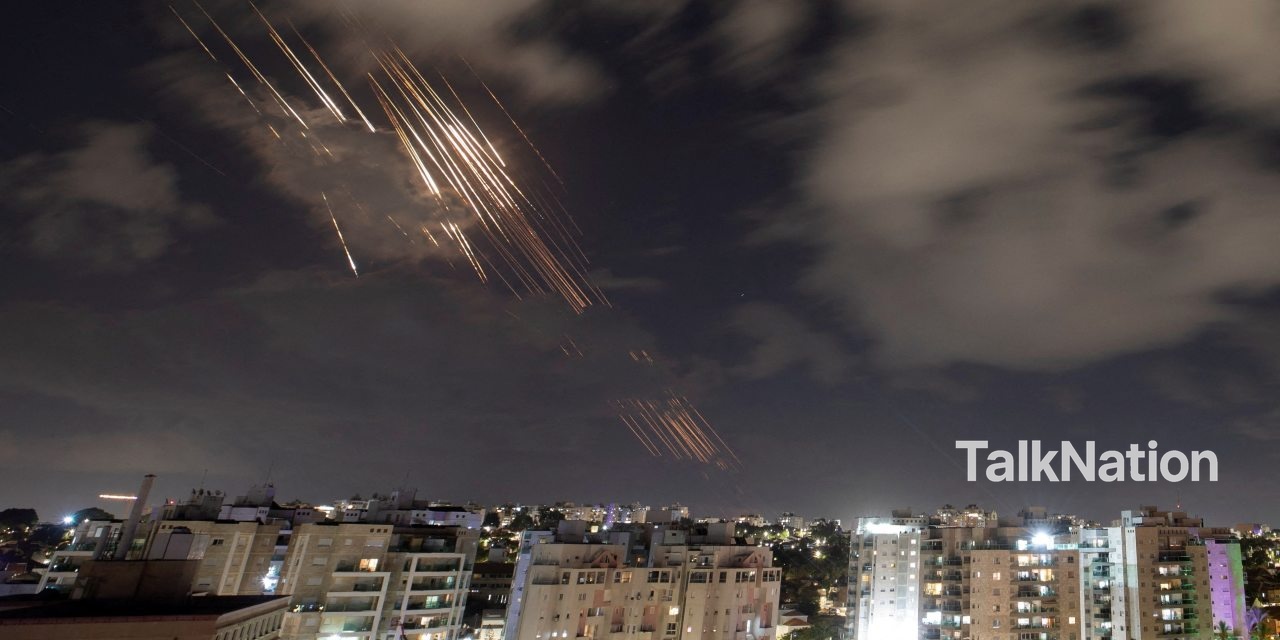
- Social media shows viral videos of missile interceptions over Dubai’s Palm Jumeirah and stranded travelers using #StrandedAtHeathrow to document chaotic lounge scenes.
- One fatality and 11 injuries reported at Gulf airports since Sunday, including four staff members injured during drone intercepts at Dubai International—the world’s busiest transit hub.
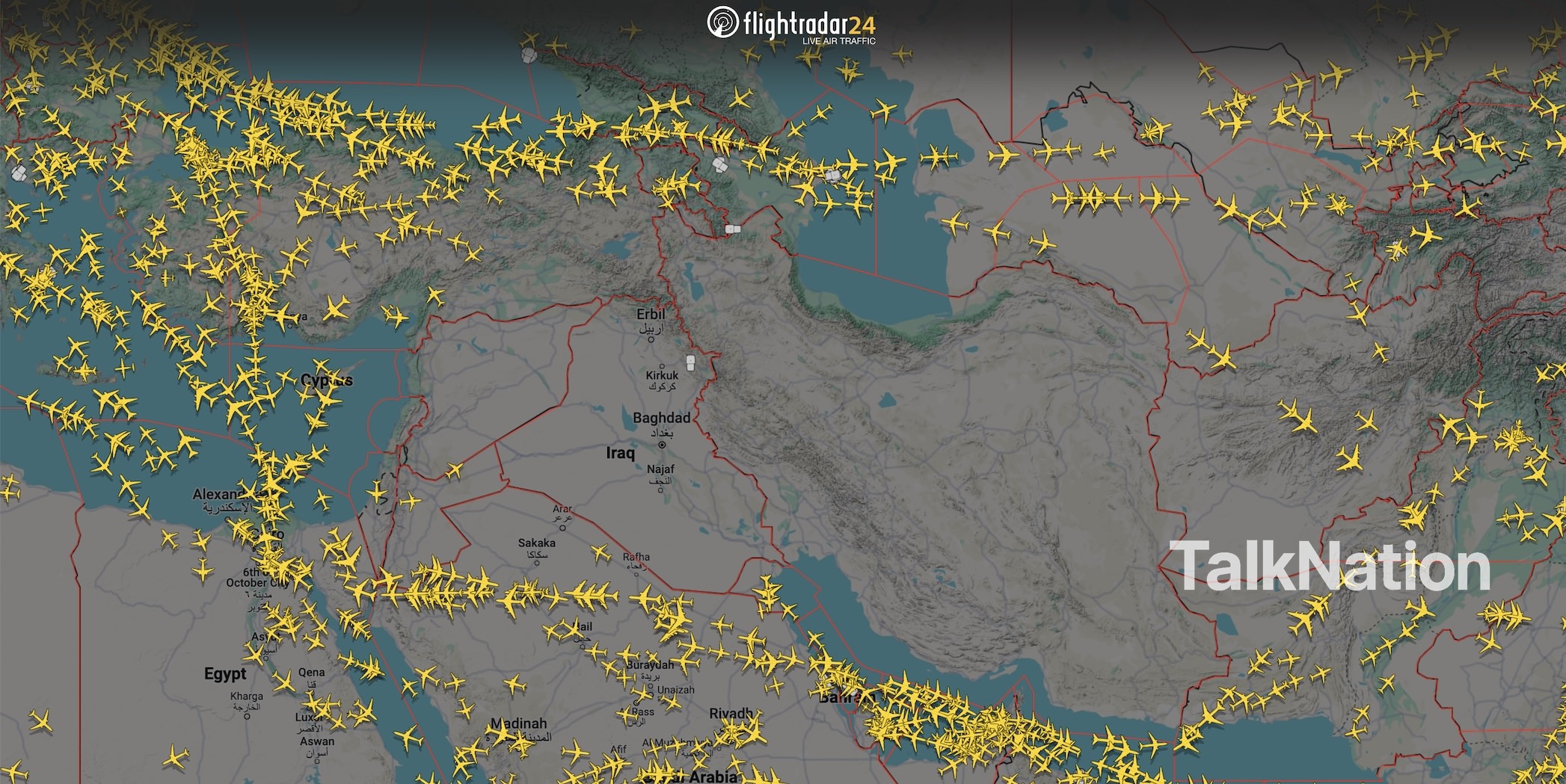
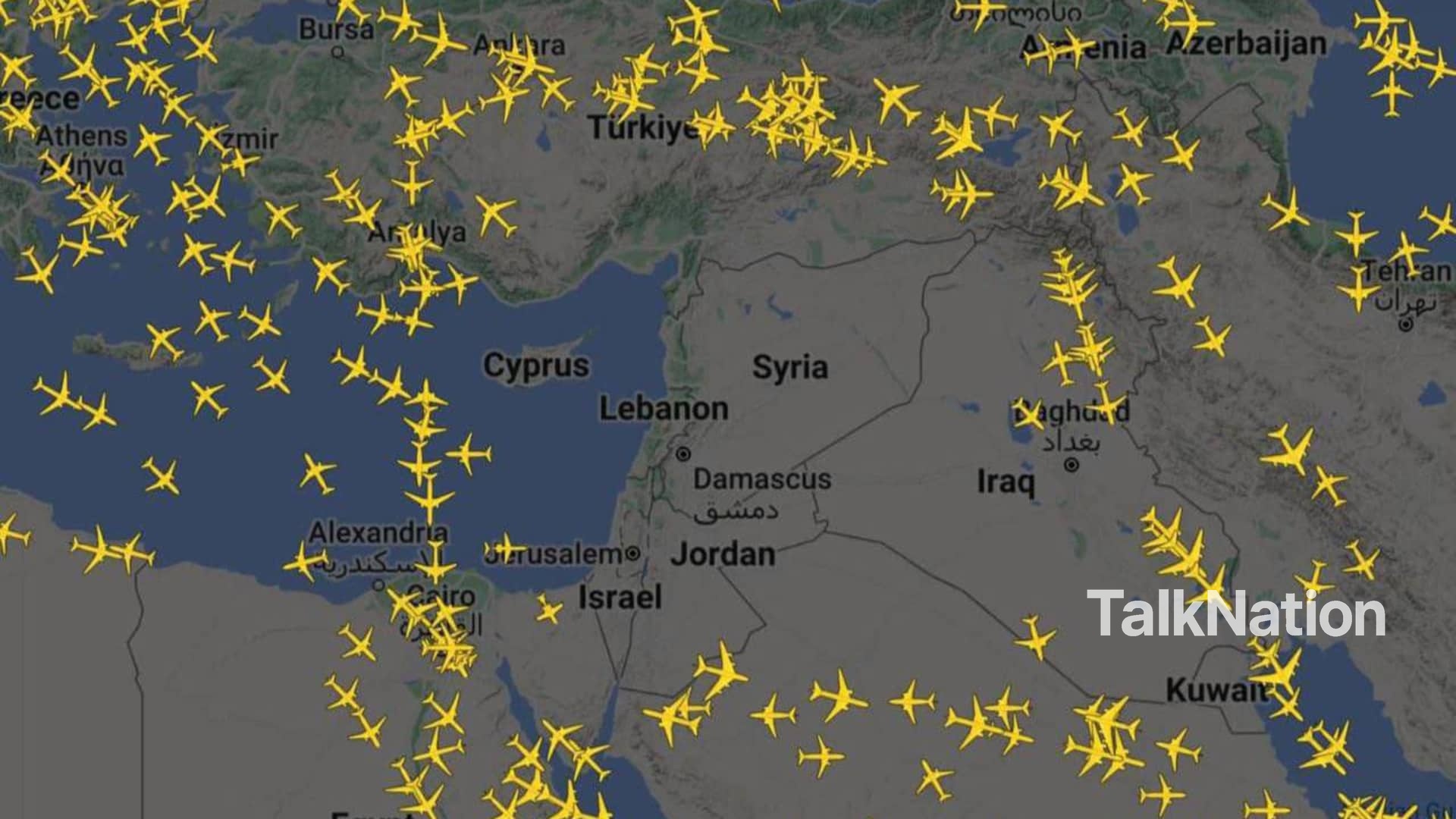
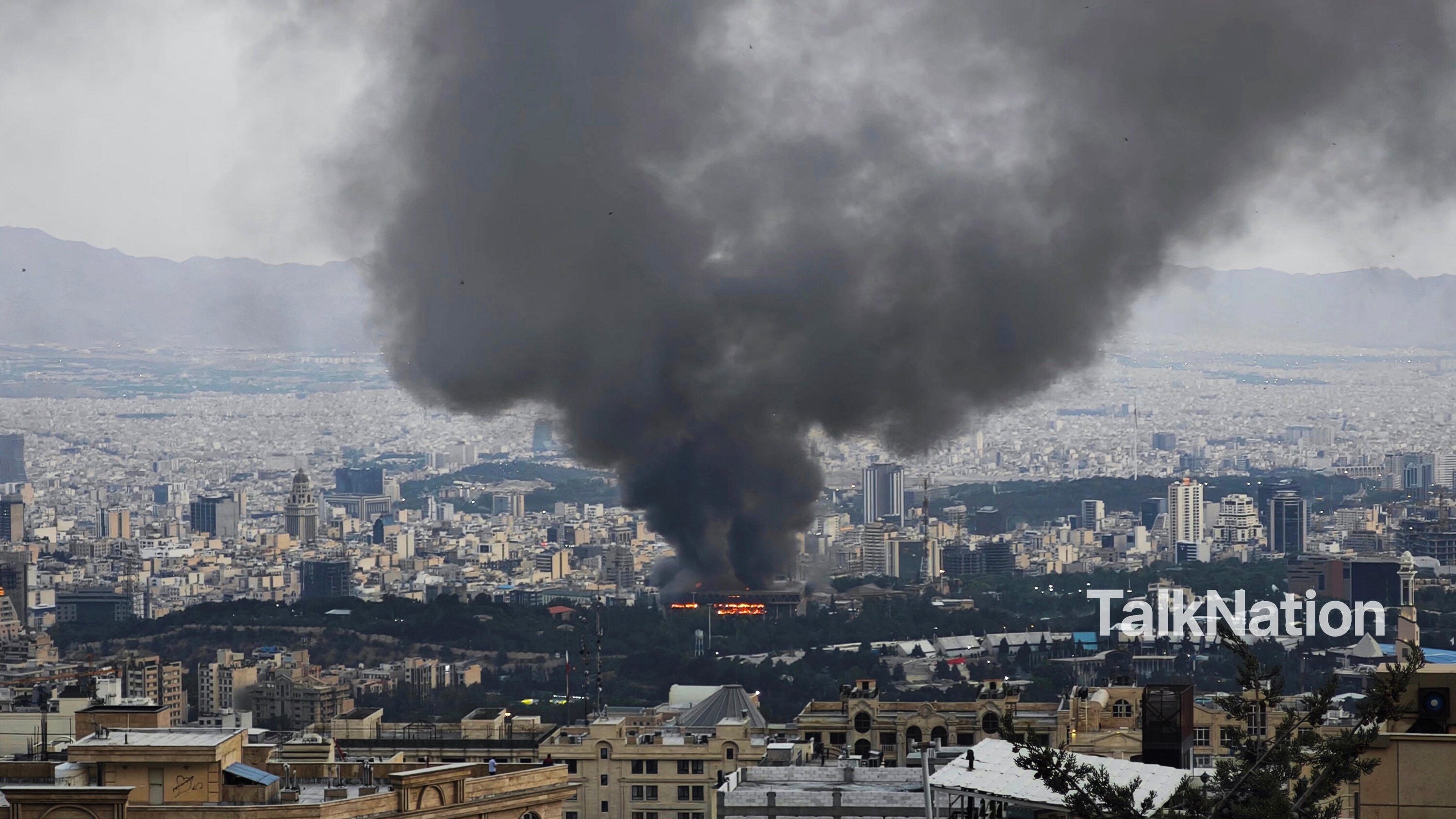
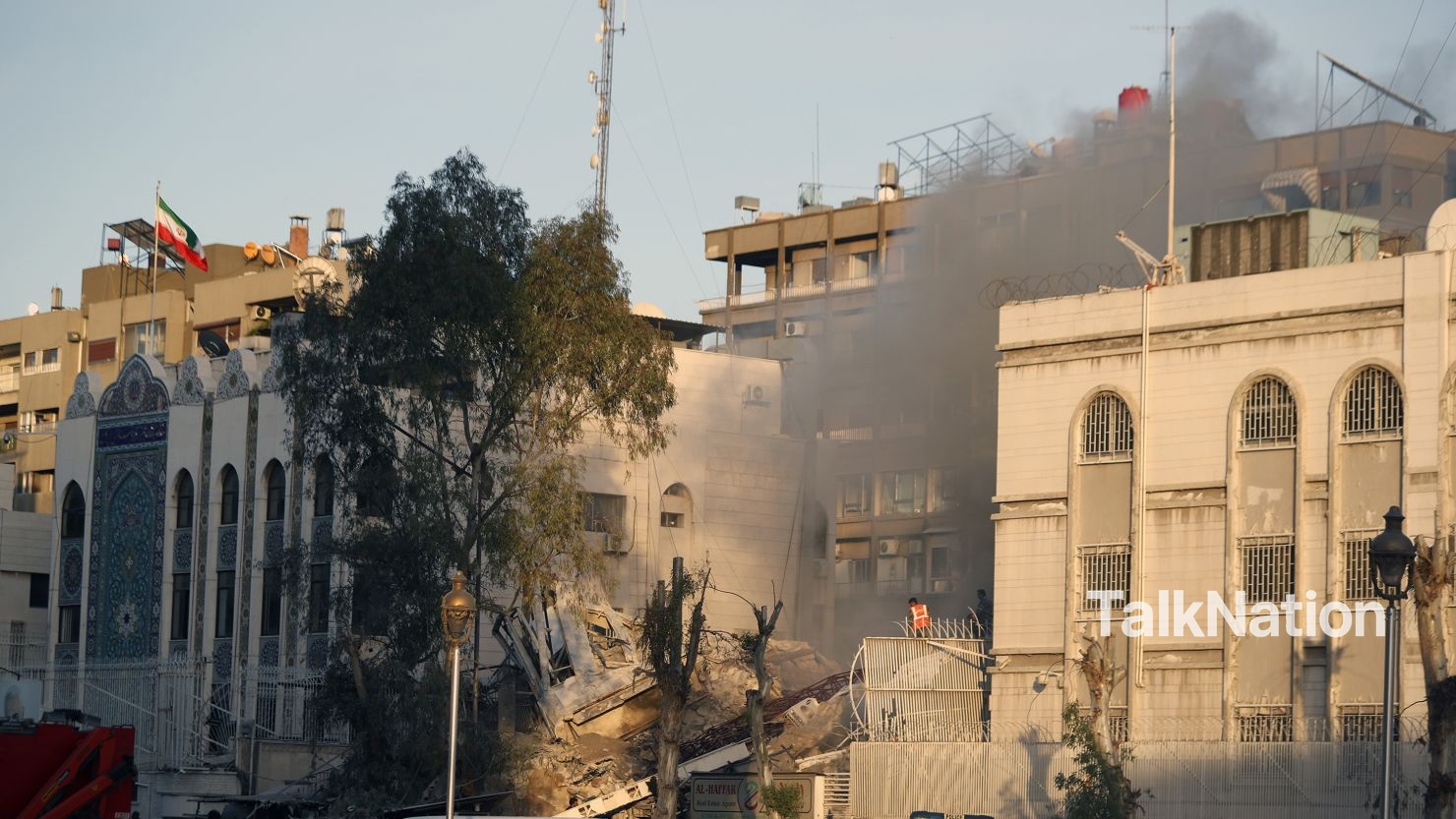
March 2, 2026: The global travel landscape remains in disarray today as Iran’s unprecedented retaliatory strikes triggered cascading flight cancellations across major airlines, with new evidence confirming civilian airport damage in Dubai and Abu Dhabi within the past 24 hours. International aviation authorities confirmed near-total airspace closure over seven Middle Eastern nations overnight, while the UK government urgently advises citizens to "shelter immediately" in four Gulf states—marking the most severe regional travel advisory since the 2023 Israel-Hamas war.
Deep Dive Analysis
Airport surveillance footage verified by BBC teams shows debris from intercepted Iranian drones igniting fires at Dubai’s Jebel Ali port and scorching the Burj Al Arab’s exterior Sunday afternoon—direct evidence contradicting early Iranian claims that strikes only targeted military facilities. This physical damage explains why Emirates extended its Dubai suspension hours beyond initial projections, unlike Etihad’s Abu Dhabi halt set to lift early Monday. Meanwhile, British Airways intensified disruptions Sunday evening, confirming Tel Aviv and Bahrain flights remain grounded through Wednesday with "significant uncertainty" impacting Amman, Doha, and Riyadh routes for days. Virgin Atlantic separately warned rerouted India-bound flights face 8-10 hour delays as jets avoid closed corridors over Iraq and Saudi Arabia—a detour adding over $200,000 in fuel costs per flight.
Aviation analysts note this crisis uniquely threatens the Gulf’s economic lifeline: Dubai International alone handles 190,000 daily passengers funneling tourism revenue to Emirates-based airlines. When combined with the UK’s "shelter immediately" edict—which covers 200,000+ British expats in the UAE—authorities now confront a logistical nightmare. Heathrow’s emergency coordination center revealed Sunday that 47 long-haul flights were diverted to Athens and Istanbul overnight, stranding passengers without hotel guarantees under EU refund regulations. Crucially, the airspace closure spans critical east-west corridors; Cathay Pacific’s suspension of Riyadh flights demonstrates how even unaffected Asian carriers face cascading delays without Middle Eastern overflight permissions.
What People Are Saying
Social media exploded with visceral snapshots of the crisis, dominated by Dubai residents’ Instagram Stories showing missile defense batteries firing over luxury resorts—a stark contrast to the city’s usual glittering skyline videos. One viral TikTok from Dubai International employee Noura Hassan (58K likes) captured airport staff sheltering behind luggage carts during drone alerts with the caption: "Not the Dubai we know." Stranded travelers’ frustration also trends globally; at London’s Heathrow, passenger Marcus Chen’s Twitter thread documented 14-hour lounge waits where "business-class seats became makeshift beds" while rebooking apps crashed hourly. Perhaps most telling are Middle Eastern expats’ conflicted emotions: Kuwait-based Brit Chloe Evans’ Facebook post—"We sheltered while thinking of Palestinians who’ve lived this for years"—garnered 12K shares in 6 hours. Official channels equally shifted tone, with Dubai Media Office’s X account replacing tourist promotions with 30-minute safety updates in six languages since Sunday dawn.
Why This Matters
Beyond the immediate travel chaos, this represents the first time Iran’s retaliation directly damaged major commercial airports hosting Western civilians—a dangerous escalation that could permanently alter Gulf aviation economics. When Dubai International closes, it doesn’t just strand tourists; it cripples 40% of global cargo routes moving pharmaceuticals from India to Europe and disrupts $2.1 billion daily in oil-linked transactions routed through UAE financial hubs. For travelers, the human cost is equally stark: Richard and Hannah’s disrupted Oman trip (now a panic-stricken search for London flights) mirrors thousands of similar stories where vacation savings evaporate overnight. Most critically, the UK’s "shelter immediately" directive reveals governments now view Gulf states as active conflict zones—meaning future evacuations may require military coordination if commercial airspace stays closed. This isn’t just a travel alert; it’s a warning that globalization’s weakest link is our dependence on volatile transit corridors.
FAQ
Q: How long will Middle Eastern airspace remain closed?A: Aviation authorities project through March 4 minimum, but Sunday’s airport damage in Dubai complicates assessments. Heathrow now advises passengers to assume 72-hour disruption windows for all Gulf-adjacent routes. Q: Are airlines required to refund stranded passengers?
A: Yes per EU Regulation 261, but carriers like British Airways are citing "extraordinary circumstances" to deny hotel compensation. Passengers receive immediate flight rerouting or cash refunds—however, lounge meal vouchers vary by airline policy. Q: Can I transit through Oman or Jordan safely?
A: Oman’s Muscat Airport remains operational with enhanced security, but UK advisories warn against "non-essential transit" through all Gulf states. Jordan’s Amman routes face high cancellation risk despite no direct strikes. Q: What caused the Burj Al Arab damage?
A: UAE officials confirmed debris from an intercepted drone ignited exterior scaffolding Sunday afternoon—evidence proving Iranian projectiles breached airport defense systems despite military claims of full interception.
📚 Verified Sources
- Flights cancelled and new travel warnings issued after Iran strikes
- All the destinations affected by Iran air strikes as Brits stranded abroad
- Iran's regime is still intact - the coming days will show if it can hold out
- State Department issues global alert as airports shut down
- 'Not the Dubai we know': BBC speaks to people stuck in the Emirate



0 Comments