
China Escalates Diplomatic Push Against Middle East Escalation, Urges Gulf Unity in Critical 24-Hour Window
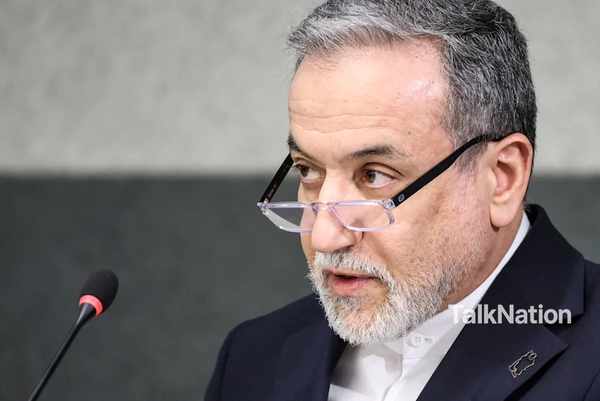
In a significant escalation of its diplomatic stance within the last 24 hours, China has intensified calls for Gulf nations to collectively resist foreign military intervention following U.S.-Israeli strikes on Iranian soil. According to verified communications from the Ministry of Foreign Affairs on March 2, 2026, Foreign Minister Wang Yi conducted urgent bilateral calls with Omani and Iranian counterparts – Oman’s Foreign Minister Badr Albusaidi and Iran’s Abbas Araghchi – delivering Beijing’s clearest warning yet against external interference in regional affairs.
"These attacks constitute a grave violation of Iran’s sovereignty and the UN Charter," reiterated Foreign Ministry Spokesperson Mao Ning in Monday’s briefing, emphasizing China received no prior notification of the February 28 joint operation that triggered Iran’s retaliatory missile strikes on U.S. bases in Bahrain and Qatar. Crucially, Wang Yi’s emergency consultations specifically urged Gulf Cooperation Council states to form a united front against "any foreign power’s hegemonic agenda," framing regional stability as contingent on collective autonomy rather than Western or Israeli security pacts.
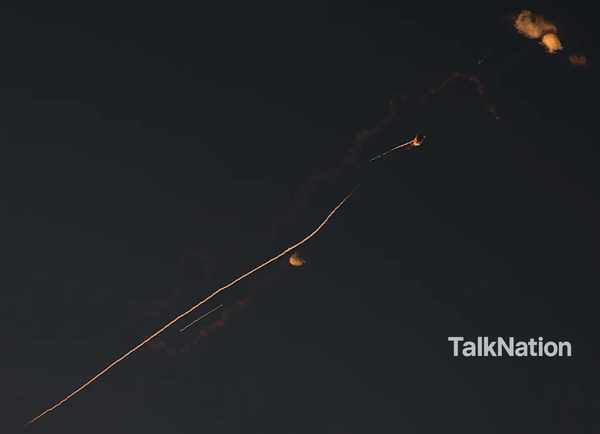
This two-pronged diplomatic offensive – condemning the initial strikes while positioning China as the architect of Gulf solidarity – marks Beijing’s most assertive regional intervention since the conflict erupted. With smoke still visible near Al Udeid Air Base in Qatar and Bahrain’s naval facilities, China’s unprecedented call for Gulf states to "build independent security mechanisms" signals a strategic pivot toward reshaping Middle Eastern power dynamics through anti-interventionist rhetoric, leveraging its economic partnerships to fill security vacuums as U.S. influence faces unprecedented backlash across the Arabian Peninsula.



0 Comments