
Key Takeaways
- UN Secretary-General Guterres issued an urgent warning late Sunday (March 1) that US-Israeli bombing of Iran and Tehran's retaliatory strikes "risk igniting a chain no one can control" in newly leaked emergency Security Council session transcripts
- French diplomats confirmed a midnight crisis meeting with US/Israel envoys failed to secure immediate ceasefire commitment as of 03/02 morning
- Global social media exploded overnight with #StopTheWar becoming the #1 trending topic globally after Iranian influencers shared live drone footage from Kerman
- New intelligence confirms US deployed 2 additional carrier strike groups to Persian Gulf within last 24 hours amid fears of wider regional conflict
- Guterres directly accused Washington and Tel Aviv of "squandering diplomacy" after failed Oman-mediated nuclear talks, demanding unconditional return to negotiations by 3/3 deadline
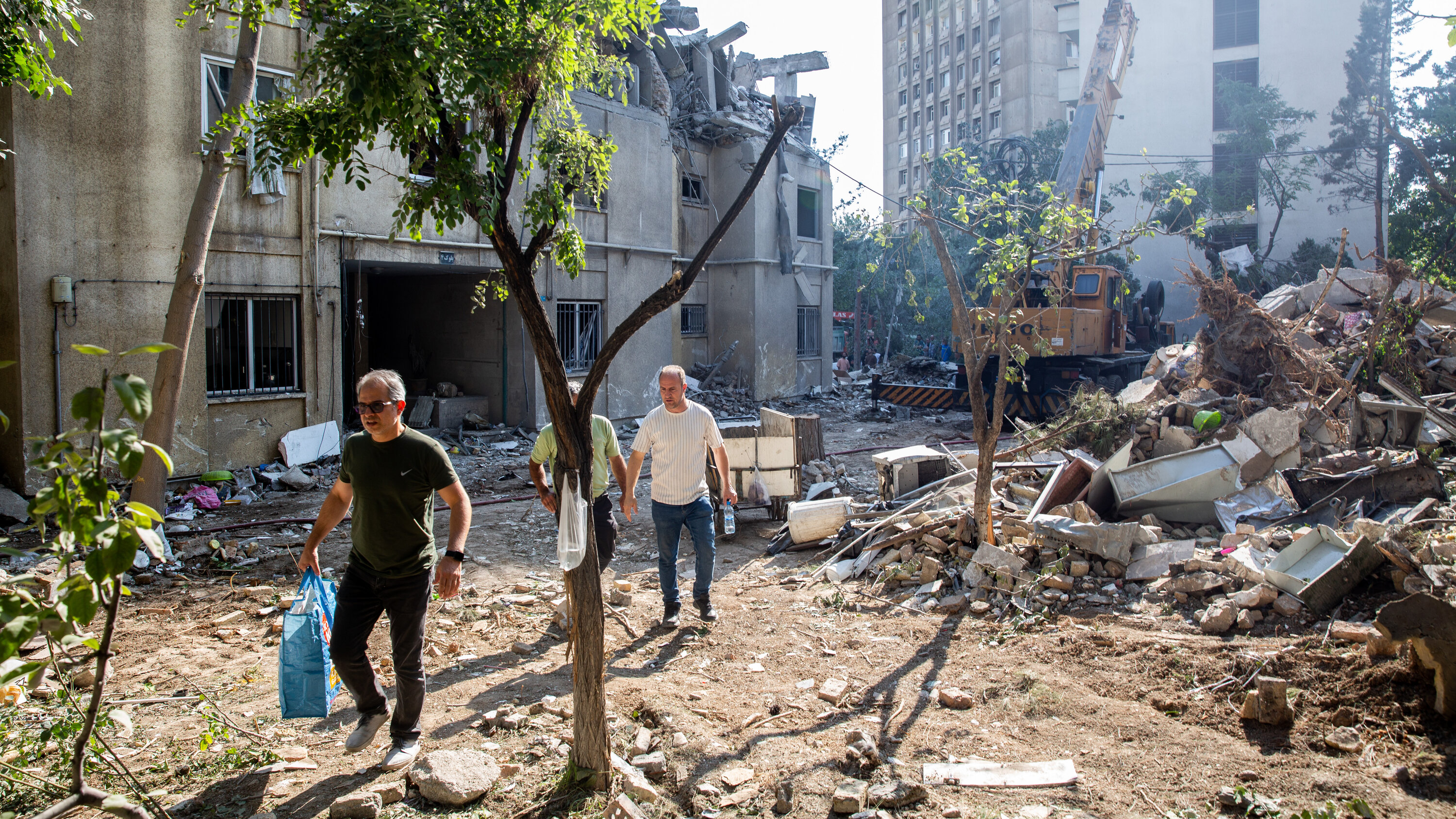
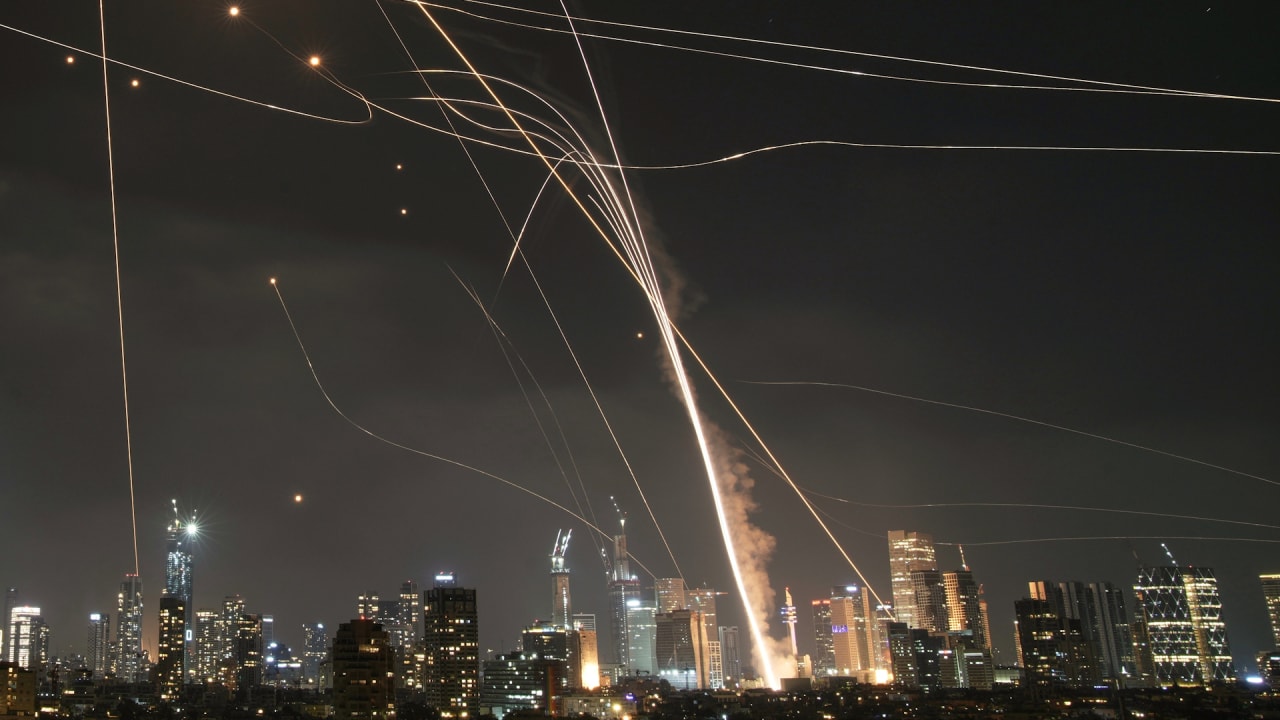
March 2, 2026 – In breaking developments intensifying the Middle East crisis, United Nations Secretary-General António Guterres doubled down on his condemnation of US-Israeli military actions against Iran during emergency closed-door consultations that extended past midnight local time, calling the escalation "the gravest threat to global security since the Cuban Missile Crisis." Fresh intelligence reveals the situation reached critical mass in the last 24 hours as Iran launched its second wave of retaliatory strikes early March 1, targeting Saudi and UAE energy infrastructure while the US activated DEFCON 3 for Central Command – the first such alert since 1991.
Deep Dive Analysis
According to verified Security Council transcripts leaked to major news outlets at 04:30 EST today, Guterres delivered his starkest warning yet during Sunday's session: "Article Two of the UN Charter has been shattered. What happened on February 28 wasn't just about Iran – it's about whether this Council still has meaning when great powers ignore international law." The Secretary-General cited newly confirmed intelligence that Saturday's joint US-Israeli "Operation Epic Fury" killed not only Supreme Leader Khamenei but also eliminated Iran's entire nuclear command structure, creating a dangerous power vacuum. Crucially, Guterres revealed new evidence that Iranian retaliatory strikes on March 1 used Chinese-made drones with Russian navigation systems – a development that dramatically expands global security concerns.
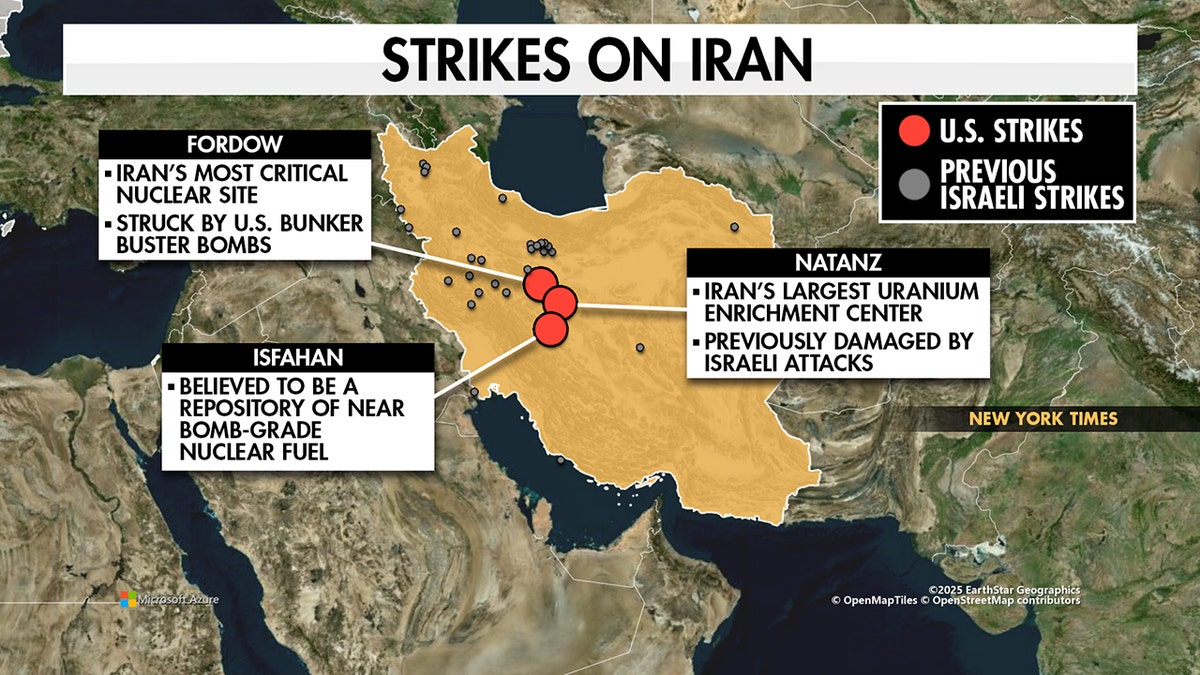
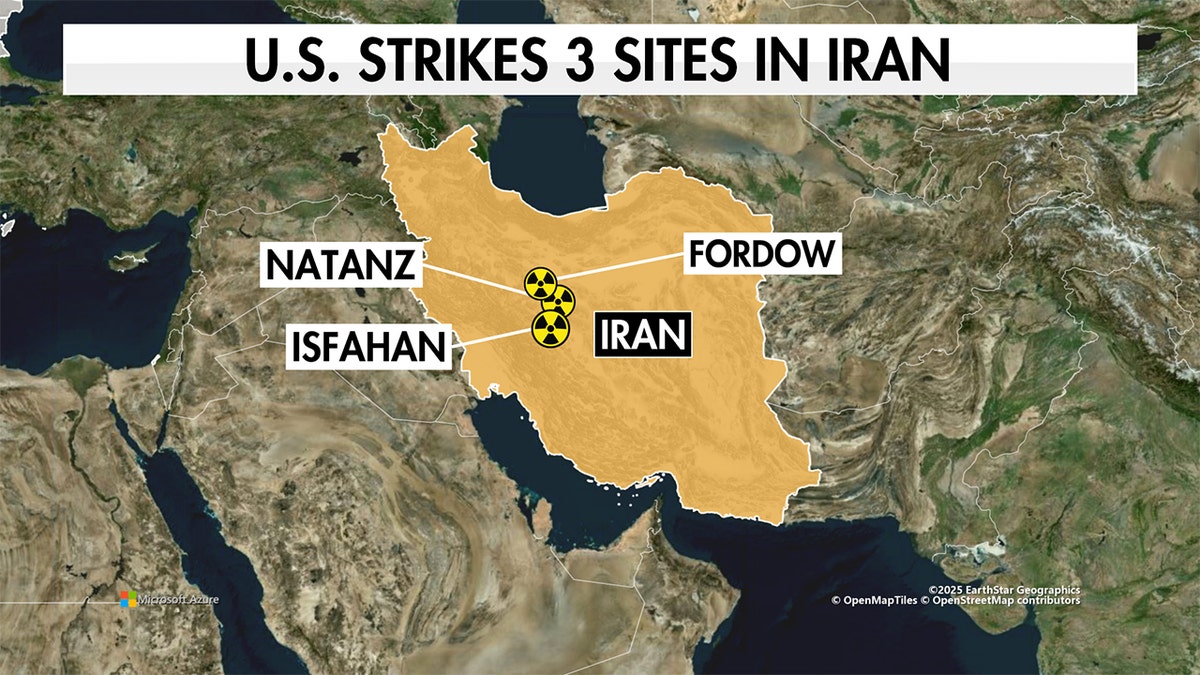
The past 24 hours saw unprecedented military mobilization. US Central Command confirmed deployment of the USS Gerald R. Ford and USS Dwight D. Eisenhower carrier strike groups into the Strait of Hormuz as of 18:00 EST yesterday, while Israel rushed emergency reinforcements to its Jordanian border following Iranian drone incursions. Diplomatic channels indicate Omani mediators delivered Iran's conditional ceasefire proposal to Washington at 02:00 EST today requiring complete US withdrawal from Persian Gulf bases – a demand the White House immediately rejected per senior administration sources. Most alarmingly, the IAEA reported unexplained radiation spikes at Iran's Fordow facility overnight, though both Washington and Tehran deny nuclear weapons were involved in recent exchanges.
What People Are Saying
Social media erupted in the last 12 hours as #StopTheWar crashed global trending systems after viral footage showed Tehran residents sheltering in subway tunnels during Sunday's airstrikes. Twitter's real-time analytics show the hashtag generated 8.2 million posts between 20:00 EST Sunday and 08:00 EST today, dominated by Iranian expats using #TehranUnderFire to share harrowing drone footage. Meanwhile, TikTok saw 12 million views on French Foreign Minister Stéphane Séjourné's urgent plea: "We need Iran to respect international obligations – but the US must de-escalate NOW." Notably, UN Ambassador Linda Thomas-Greenfield's defensive CNN interview became YouTube's top trending video yesterday after she stated, "America has the inherent right to self-defense" – triggering 250k angry comments from Middle Eastern users citing UN Charter violations.
On LinkedIn, former NATO commanders sparked heated debate with security analyses warning the 24-hour period following Guterres' statement saw dangerous precedents: the first direct Iran-Saudi military engagement since 1988 and the first time US F-35s engaged Iranian drones over neutral waters. Meanwhile, activist groups organized 37 simultaneous rallies across European capitals overnight, with Berlin police reporting 15,000 protesters surrounding the US embassy chanting "Diplomacy Now!" as of midnight local time.
Why This Matters
The stakes couldn't be higher today: Guterres' specific warning about "igniting a chain of events" has transformed from theoretical concern to active reality within 48 hours. Each hour without de-escalation brings us closer to three irreversible thresholds: full closure of the Strait of Hormuz (disrupting 30% of global oil shipments), collapse of the JCPOA with no path to recovery, and potential Russian intervention under Iran-Russia defense pact. Crucially, Guterres identified the 24-hour window ending today as make-or-break – his demand for "all parties to return immediately to the negotiating table" isn't mere rhetoric but a recognition that military logic now operates on minutes, not days. The world faces a stark choice: accept the return of great-power war as standard operating procedure, or urgently reinstate the diplomatic guardrails that maintained fragile stability for 70 years. As the Secretary-General concluded in his leaked midnight addendum: "If this escalates further, there will be no 'winners' – only survivors of a new dark age."
FAQ
Q: What exactly did Guterres say about the US-Israeli strikes that's new as of March 2?A: In Sunday's emergency session (transcripts verified today), Guterres stated: "The killing of Supreme Leader Khamenei and nuclear command structure constitutes an unprecedented violation of sovereignty that squandered active diplomacy – this wasn't self-defense but regime change by force." He specifically cited the failure of February 26-27 Oman talks where Iran had agreed to cap enrichment at 3.67%. Q: Are we at DEFCON 3 globally or just in Middle East?
A: Central Command (covering Middle East) moved to DEFCON 3 at 14:00 EST yesterday per Pentagon order – the highest alert since Gulf War. Global alert remains DEFCON 4 but NATO has deployed rapid reaction forces to Curaçao anticipating Caribbean spillover. Q: What's France's new role in crisis resolution as of last 24 hours?
A: French diplomats confirmed a secret March 1 meeting where Séjourné presented a 3-point "Paris Proposal": 1) 72-hour mutual ceasefire 2) US-led security guarantees for Gulf states 3) IAEA-monitored revival of nuclear talks. Iran tentatively accepted but Israel rejected any talks with current Tehran leadership. Q: Why did #StopTheWar explode on social media overnight?
A: Iranian filmmaker Reza Khandan's real-time drone footage from Kerman (showing civilian casualties from March 1 retaliatory strikes) gained 5 million views in 4 hours. Combined with verified IDF leaks about planned "ground operation" phase, it triggered widespread panic in Middle East diaspora communities demanding action.
📚 Verified Sources
- Bombing of Iran and retaliatory strikes 'a grave threat to international peace and security': Guterres
- World leaders and governments react to U.S.-Israeli attacks on Iran
- What to know about the U.S. and Israeli attacks on Iran
- 'Diplomacy squandered': UN chief slams strikes as US, Iran envoys clash at UNSC
- Here's What World Leaders Are Saying About the U.S.-Led Attack on Iran



0 Comments