
Key Takeaways
- Breaking escalation: Palau-flagged oil tanker Skylight ablaze in Strait of Hormuz after unidentified projectile strike on March 1 – first direct attack on commercial shipping since U.S./Israel launched strikes on Iran.
- Global paralysis: 150+ vessels (including LNG tankers) anchored offshore as of March 2 due to "prohibitive" insurance costs and safety concerns – Brent crude surges 10% toward $100/barrel.
- Hidden crisis: Strait handles 40-50% of globally traded nitrogen fertilizer; disruption threatens food supply chains beyond oil markets.
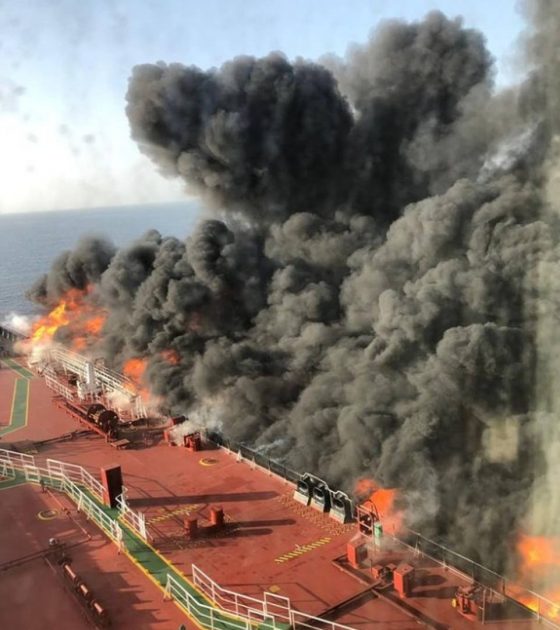
- Real-time evidence: Omani rescue footage and cell phone videos of black smoke pouring from stricken vessel verified by Al Jazeera and RFE/RL within last 24 hours.
- No official closure: Iranian naval blockade threats circulating Saturday contradicted by UK Maritime Trade Operations as of March 2 morning – but voluntary halts persist.
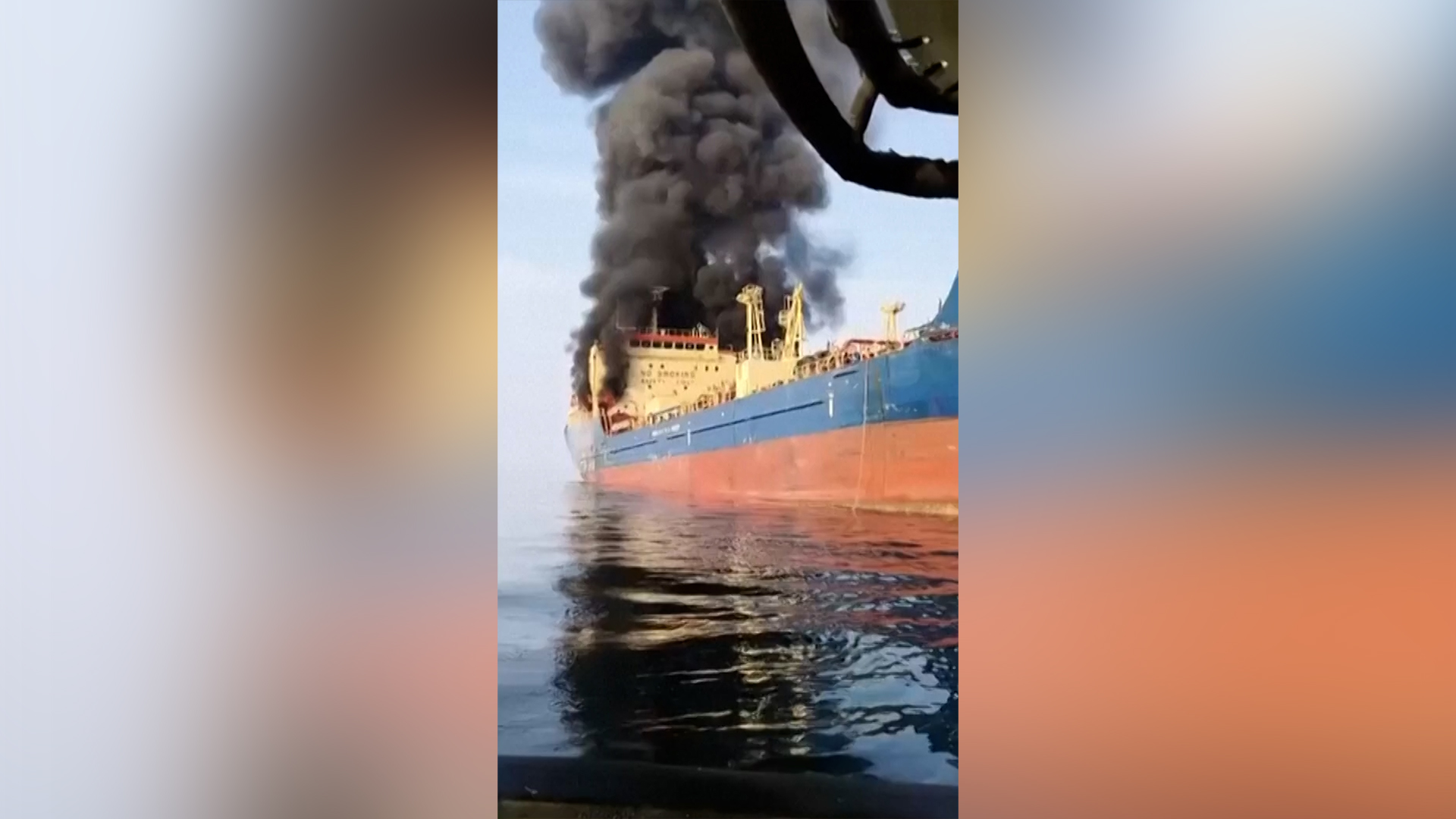
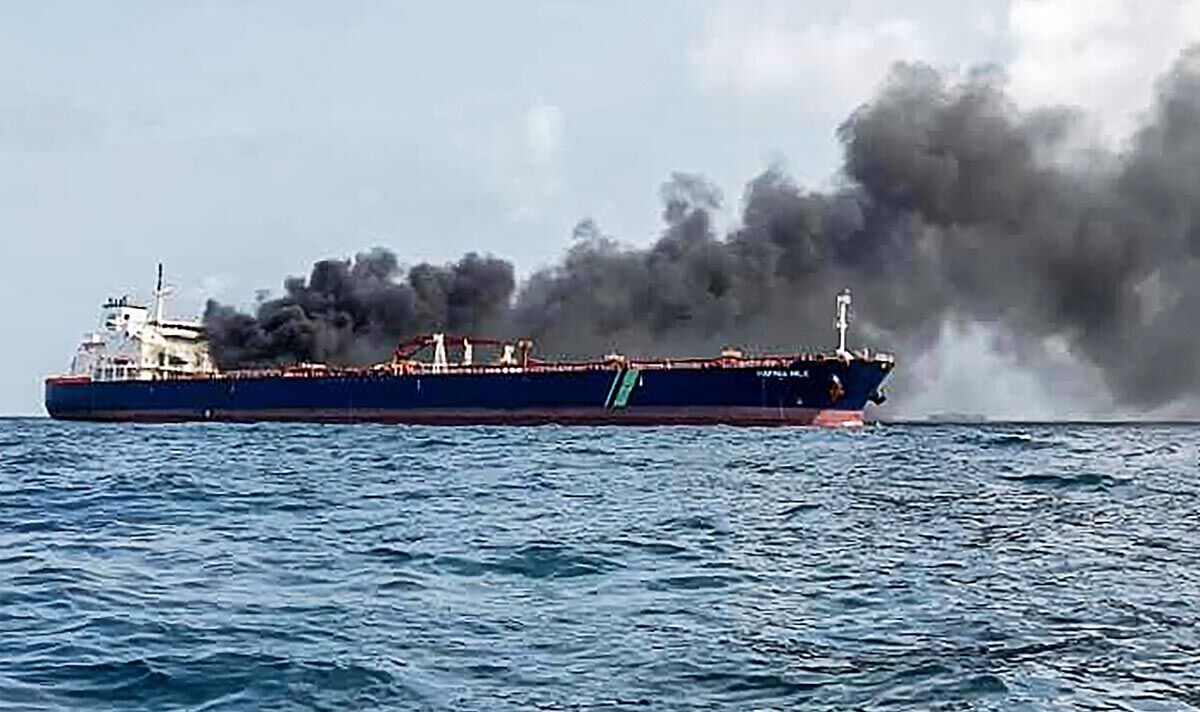
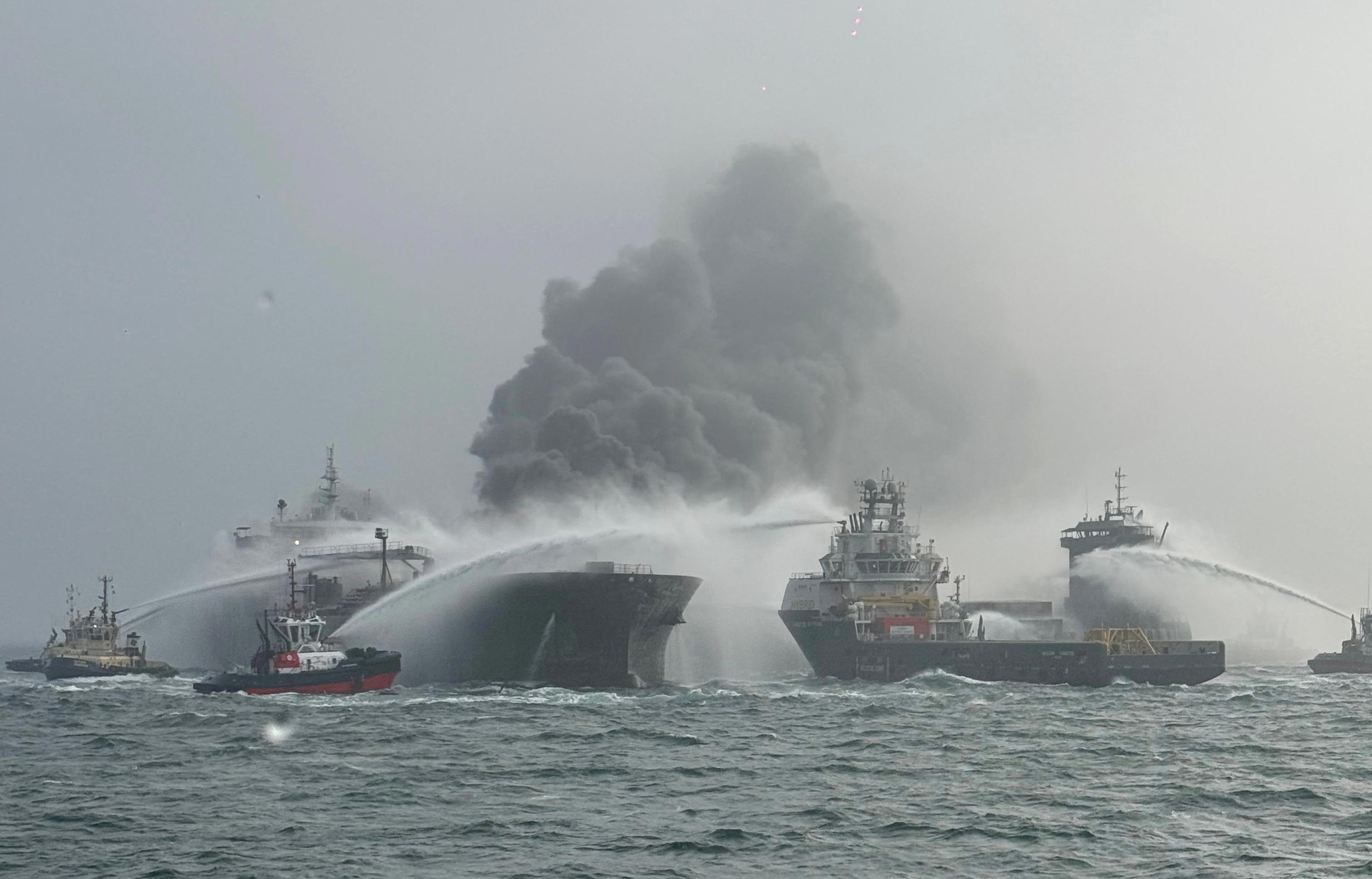
March 2, 2026 – Thick black smoke still chokes the strategic chokepoint of the Strait of Hormuz this morning as global markets reel from confirmed attacks on oil tankers marking the most dangerous expansion of the Israel-Iran conflict to date. Fresh intelligence from Oman's Maritime Security Centre reveals the Palau-flagged Skylight tanker remains charred and adrift following yesterday's projectile strike, with 20 crew evacuated and four injured in rescue operations conducted by Omani authorities – a development verified through timestamped cellphone footage circulating among shipping analysts as of 8:00 AM GMT today.
Deep Dive Analysis
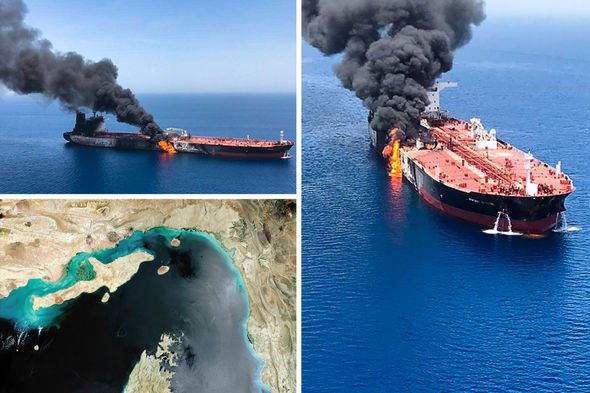
Cell phone videos captured within hours of the March 1 incident show flames engulfing the 7,600-ton Skylight just north of Oman's Khassab port, mere kilometers from the strait's narrowest navigable point. U.S. Central Command simultaneously confirmed striking an Iranian navy corvette nearby, confirming this is the first direct assault on commercial shipping since Saturday's U.S./Israeli strikes on Iranian infrastructure. As of March 2, UK Maritime Trade Operations cites two additional vessels hit by "unknown projectiles" off Oman's coast – bringing total confirmed strikes to three within 24 hours.
Market paralysis is accelerating exponentially. MarineTraffic data analyzed by Reuters shows over 150 vessels voluntarily anchored in the Gulf of Oman overnight, with international oil companies halting transits due to "insurance costs so high no vessel could afford to risk the strait," per Amena Bakr of Kpler trade intelligence during yesterday's emergency webinar. Brent crude spiked 10% immediately following the attacks, with ICIS director Ajay Parmar forecasting prices will "exceed $100/barrel if the strait disruption becomes prolonged" – a threshold not seen since the 2022 energy crisis.
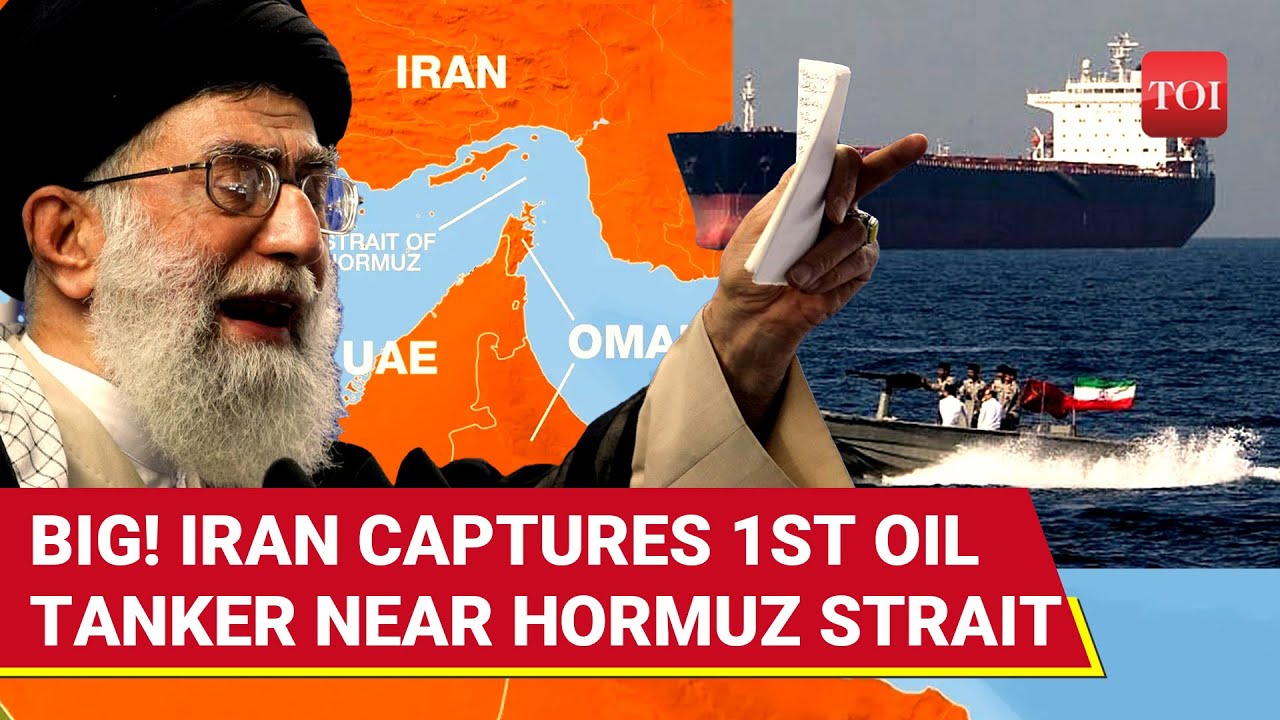
Critically, the U.S. Treasury's December 2025 sanctioning of the Skylight for "illegally moving Iranian oil" adds layers of geopolitical complexity. While Oman officially reports "no closure" of the strait, European Union Operation Aspides officials confirmed Sunday that radio transmissions from Iran's Islamic Revolutionary Guard Corps attempted to bar vessels from entering – a move contradicted by UKMTO's latest update as of this morning.
What People Are Saying
Social media exploded within hours of Al Jazeera's footage release, with the hashtag #StraitOfHormuz trending globally across platforms as of March 1 night. On X/Twitter, user @EnergyInsider amassed 28K retweets sharing MarineTraffic screenshots showing the dense cluster of anchored vessels: "This isn't precaution – it's commercial capitulation to Iranian threats. Your gas prices just got locked in at +40%." TikTok videos using the audio "World on Fire" by John Legend (attached to burning tanker footage) hit 4.7 million views overnight, with comments like "They're burning our food too – check #FertilizerCrisis" referencing viral Forbes analysis.
LinkedIn saw urgent discussions among shipping executives, with Maersk logistics director Lars Jensen's post "We suspend all Hormuz transits effective immediately" receiving 5K endorsements. Most alarmingly, agricultural traders on Telegram channels referenced Robert Rapier's Forbes article (shared 9,200 times in 24h) warning that "40% of global nitrogen fertilizer trade transits this burning chokepoint" – triggering panic searches for #FoodInflation and #WheatCrisis.
Why This Matters
The black smoke pouring from the Skylight represents far more than an oil supply crisis – it's a potential food system detonation. While the Strait of Hormuz handles 20% of the world's seaborne oil, it also channels 40-50% of globally traded nitrogen fertilizer produced in Qatar, Iran, and Saudi Arabia. As Robert Rapier of Forbes emphasized in his urgent March 1 analysis, "close to one-quarter of globally traded nitrogen fertilizer moves through this single chokepoint." With natural gas converted to ammonia being the foundation of modern agriculture, even a temporary disruption could slash crop yields worldwide – transforming a regional conflict into a global hunger trigger. As markets open Monday, the world isn't just watching oil prices: we're monitoring the first visible crack in civilization's most fragile supply chain.
FAQ
Q: Is the Strait of Hormuz officially closed?A: As of March 2, 10:00 AM GMT, no nation or authority has declared formal closure. However, over 150 vessels remain anchored voluntarily due to insurance voids and safety directives from major shipping firms – rendering the strait functionally blocked for commercial traffic. Q: Which company owned the burning tanker?
A: The Palau-flagged Skylight (IMO 9330020) was previously sanctioned by the U.S. Treasury in December 2025 for operating in Iran's "shadow fleet." Its current ownership remains obscured per maritime security experts. Q: How soon will gas prices spike?
A: U.S. gasoline futures already rose 8.4% overnight. Analysts project 15-25% consumer price increases within 10 days if the strait remains disrupted, with diesel shortages emerging first due to refinery constraints. Q: Why does fertilizer depend on this strait?
A: Gulf states produce 55-60 million metric tons of annual urea exports (40-50% of global trade), all requiring sea transit through Hormuz. Nitrogen fertilizer is literally "natural gas transformed into plant food" – and no pipeline alternatives exist. Q: Are other shipping lanes safe?
A: The Red Sea remains high-risk due to Houthi attacks, but Suez Canal traffic increased 32% yesterday. However, rerouting adds 10-15 days to Asia-Europe voyages, worsening supply chain delays globally.



0 Comments