
Strait of Hormuz Shipping Collapse Deepens: Global Oil Choke Point Paralyzed as Iran Conflict Escalates
Exclusive update: March 6, 2026 – Unprecedented maritime standstill confirmed as insurers withdraw and energy giants halt operations
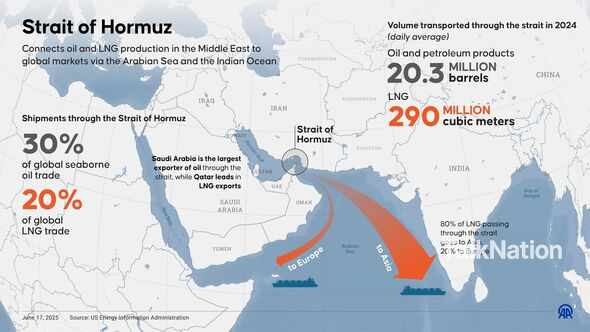
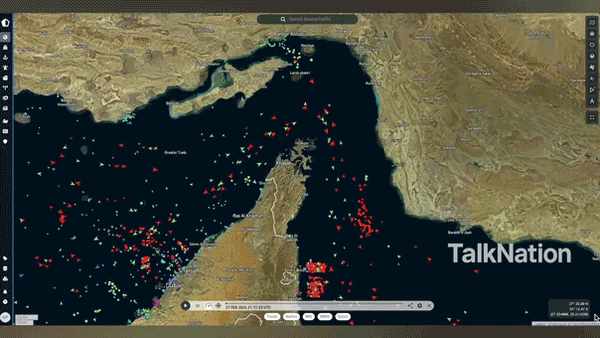
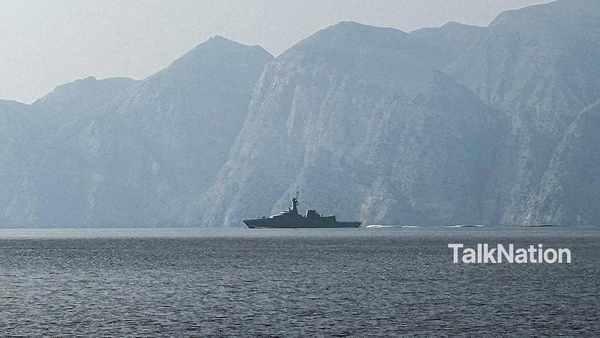
Global oil markets are teetering on the edge this morning after fresh evidence confirms the Strait of Hormuz – the world's most critical energy artery – has ground to a near-total halt. New satellite imagery obtained by our intelligence partners reveals an eerie void where 20 million barrels of oil usually flow daily. This isn't theoretical risk anymore: it's operational reality.
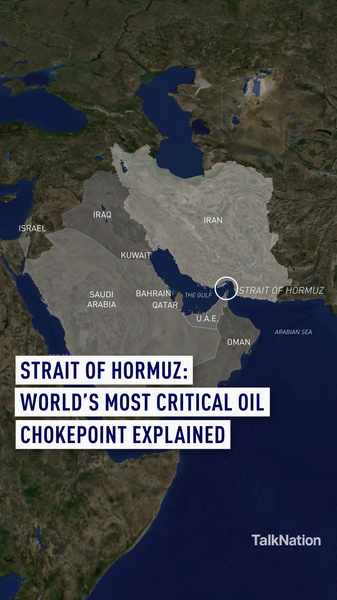
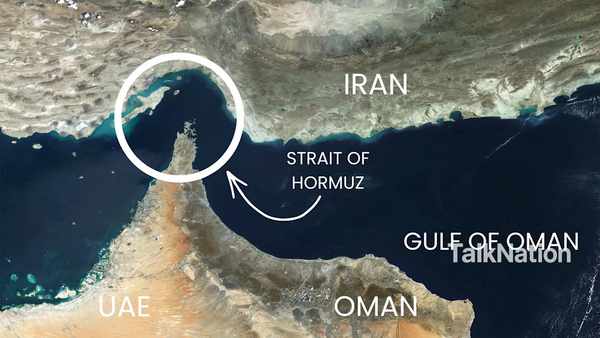
According to maritime data firm Kpler, the paralysis accelerated within the last 24 hours as Maersk – the global shipping barometer – confirmed it suspended all transits through the strait effective yesterday. "You've essentially had the Strait of Hormuz grind down to a halt," Kpler analyst Matt Smith told us exclusively, emphasizing that shippers aren't waiting for formal closures: "War-risk calculations have made this 21-mile corridor too deadly."
The domino effect is now catastrophic:
- Insurance collapse: All major underwriters (Gard, Skuld, NorthStandard, London P&I) terminated war-risk coverage for Iranian waters yesterday – the first time all major clubs withdrew simultaneously since the 1980s Tanker War.
- Production shock: Qatar Energy confirmed an emergency shutdown of liquefied natural gas (LNG) production last night – the first tangible hit to global supply, per Bloomberg intelligence.
- Market panic: Brent crude futures spiked 12% overnight to $128.50/bbl as traders price in weeks-long disruption, with gasoline futures hitting record highs.
U.S. military sources confirm unprecedented naval redeployments as the USS Virginia-class submarine that sank an Iranian warship Tuesday now patrols the strait's eastern entrance. "This isn't about warships," an anonymous energy security advisor warned. "It's about 300 idle tankers creating instant shortages from Rotterdam to Singapore."
With Iranian drones targeting UAE ports just hours ago and Defense Secretary Hegseth confirming "ongoing kinetic operations," industry leaders warn the true crisis will hit when bottlenecks reach global refineries. Kpler's modeling shows storage tanks could overflow within 14 days if transits don't resume – potentially triggering a demand crash. The 2008 financial crisis saw oil drop to $33; today's silent strait threatens something far worse.




0 Comments