
Russia Reports Surging Oil & Gas Demand as Iran Conflict Chokes Global Energy Flows
MOSCOW — In a direct acknowledgment of shifting global energy dynamics, Kremlin spokesperson Dmitry Peskov declared a "significant increase in demand" for Russian oil and gas on Friday, March 5, as the U.S.-led military actions in Iran enter their seventh day. This marks the first official confirmation from Moscow capitalizing on the Strait of Hormuz blockade, which has halted nearly 20% of the world's seaborne oil and LNG shipments since hostilities began.
Peskov specifically highlighted Russia's reliability as an alternative supplier, stating: "We are seeing a significant increase in demand for Russian energy resources in connection with the war in Iran. Russia has been and remains a reliable supplier of both oil and gas – including pipeline gas and liquefied natural gas." His remarks followed the U.S. Treasury's unexpected 30-day waiver issued Thursday, permitting India to purchase $1.2 billion worth of Russian oil cargoes stranded at sea due to Western sanctions – a move reversing months of intense American pressure on New Delhi.
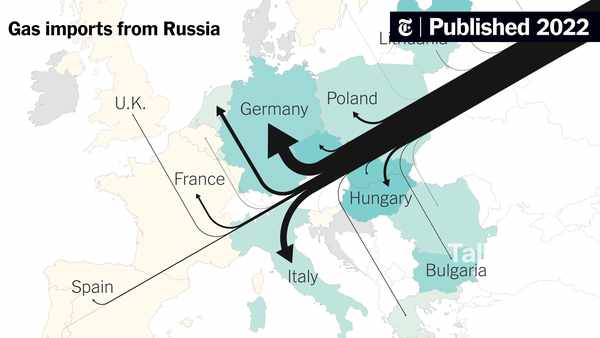
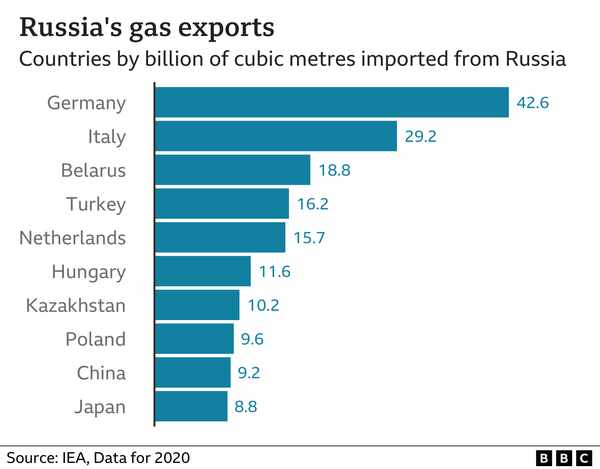
The development comes amid stark warnings from energy authorities. International Energy Agency (IEA) Executive Director Fatih Birol cautioned European leaders during an emergency summit with EU Commission President Ursula von der Leyen Thursday, emphasizing: "One of Europe’s historical mistakes was the overreliance of its energy sources on one single country, Russia." Birol urged against short-term panic deals, noting "plenty of oil exists globally" despite "logistical disruption." Meanwhile, EU energy ministers face mounting pressure from industrial lobbies demanding immediate price stabilization measures ahead of the March 19 European Council summit.
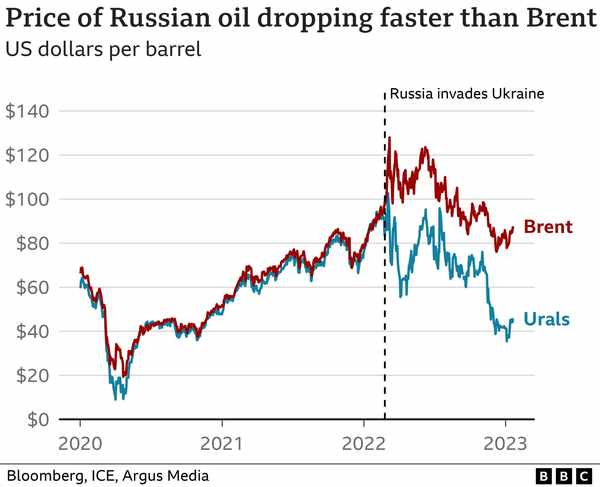
Market analysts at Eurasia Group confirmed unprecedented buying activity from Asia-Pacific nations Thursday, with Russian Urals crude spot premiums jumping to $8.50/bbl – the highest level since 2022 – as tankers reroute from Persian Gulf chokepoints. Notably, Qatar’s Energy Minister Saad al-Kaabi privately assured European counterparts this week of increased LNG flexibility, though he declined to comment when approached Friday.
The White House refrained from commenting on the Russia-Iran energy linkage during Friday’s briefing, focusing instead on casualty reports from U.S. operations in Kuwait. With global Brent crude remaining above $134/bbl and EU gas benchmarks near €112/MWh, industry observers suggest Moscow’s unexpected windfall could reshape energy diplomacy for months ahead – even as Western sanctions on Russian financial institutions remain fully enforced.



0 Comments